What the Germiston client needed
The brief came from a print and display client in Germiston that needed fabric banner graphics for an indoor promotion. The job called for sharp text, strong colour blocks and a light material that could be moved, packed and reused without creasing badly.
The client wanted the graphics to hold up under regular handling, with colours that stayed true under bright showroom lighting. Because the banners were going into a busy trade environment, the finish had to look tidy from close range and still read clearly from across the room.
We worked to a practical budget and a tight delivery window. The order needed to be turned around in weeks, not months, and the client also asked for advice on colour consistency across repeated runs, since more than one banner size was being produced. The town, the usage and the time pressure all shaped the way we planned the print process.
Material choice and print constraints
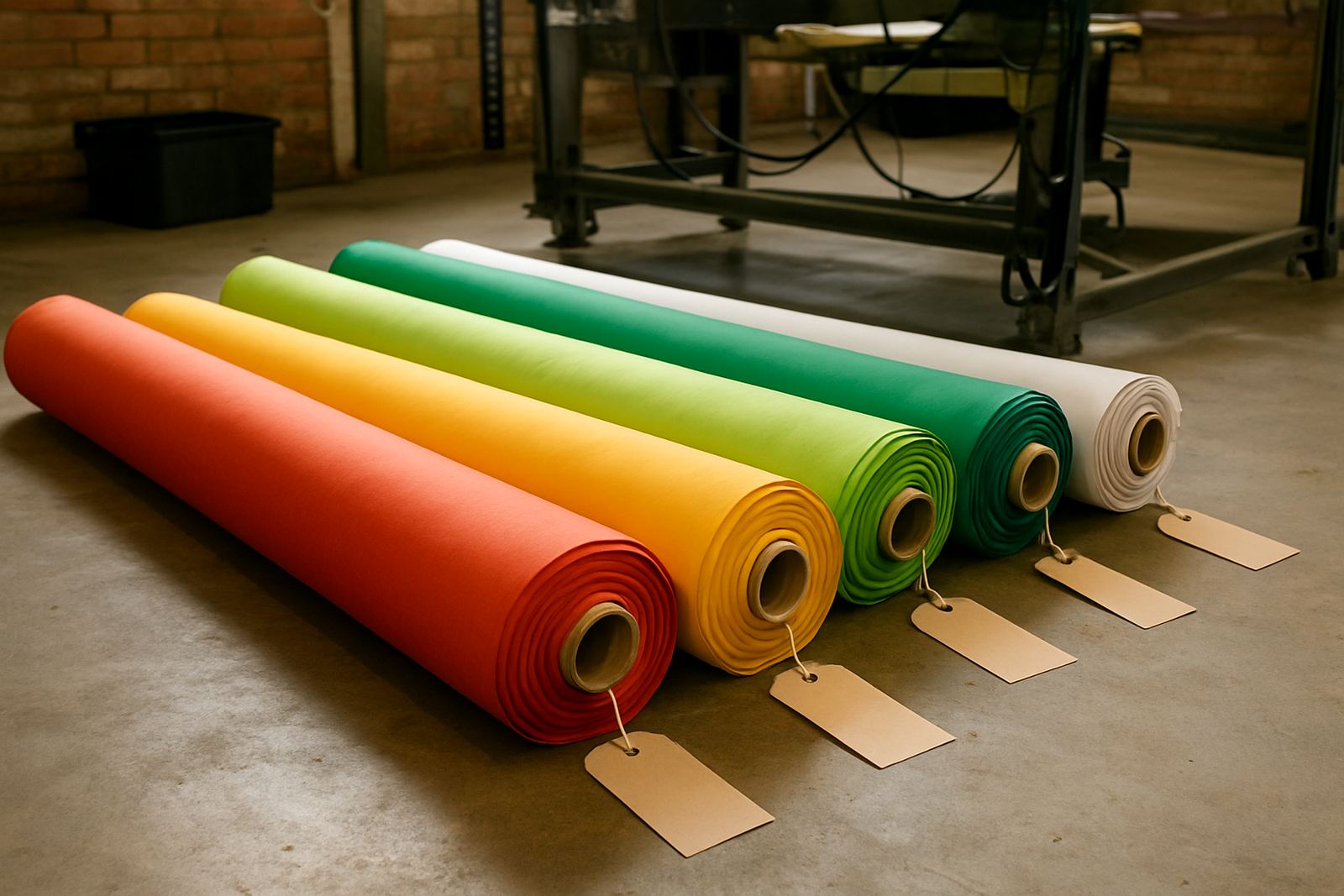
For this type of banner work, the main concern is how the fabric takes the ink and how stable the colour remains once the graphic is heat transferred. Wide-format sublimation is a good fit when the client needs a lightweight display piece that folds neatly and does not feel stiff like heavier PVC-style signage.
The print had to suit a hanging display system, so the edges could not be bulky and the image could not show banding or dull patches. We also had to keep an eye on room conditions because Germiston can swing between dry indoor air and dustier loading areas, and that can affect handling if the material is left open for too long.
- Fabric banner stock chosen for light weight and easy handling
- Wide-format sublimation output for even colour across full panels
- Heat transfer set-up used for clean ink bonding
- Artwork checked for final size, bleed and readable text spacing
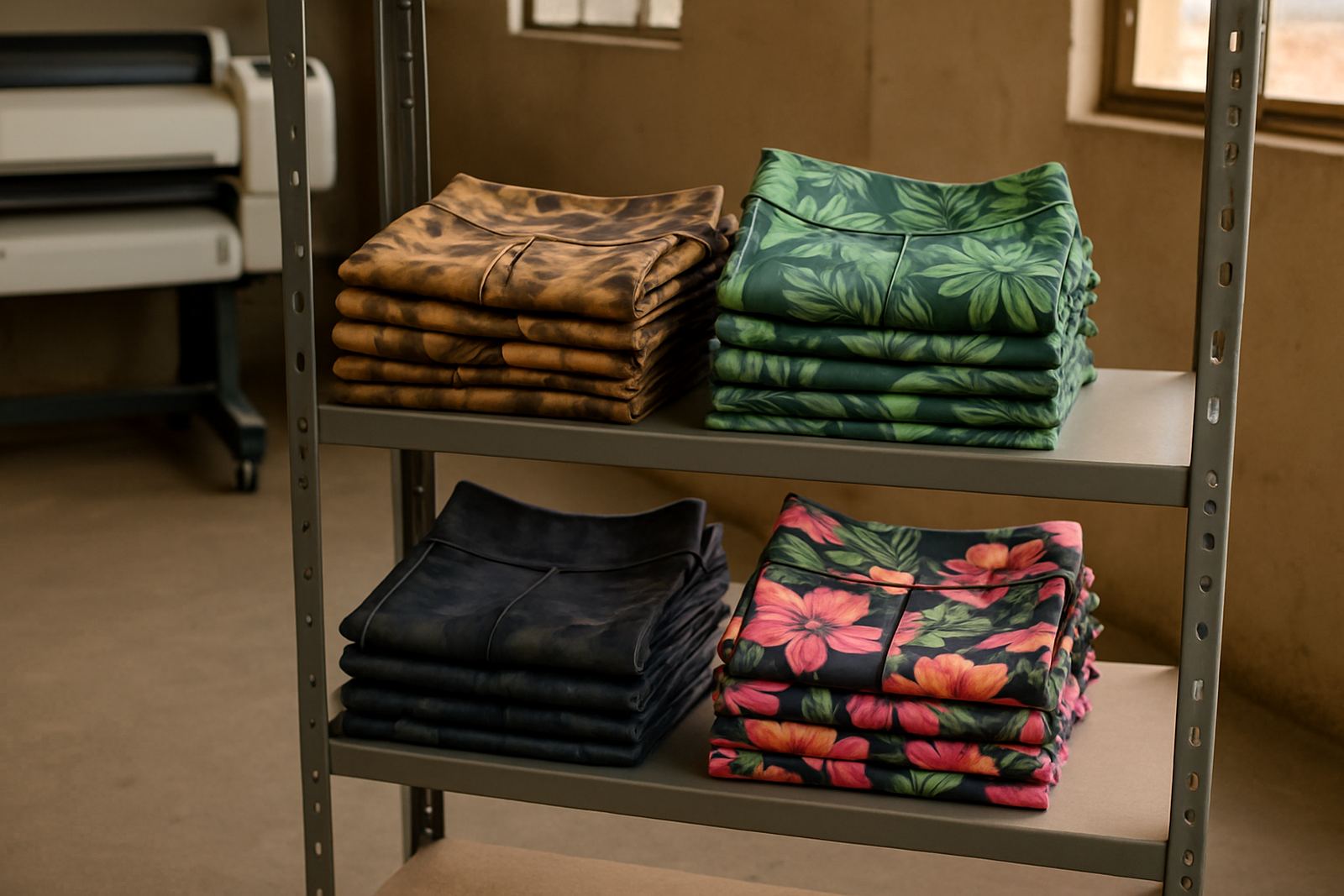
The client also needed practical guidance on how the banners would be stored between uses. We recommended keeping them rolled rather than folded, which helps reduce crease lines and keeps the print looking better over time. It is a small point but it makes a difference when the same display is used for repeat campaigns.
Ink supply, colour control and prep
This project leaned heavily on colour control. The client wanted bright branding reds, a clean dark typeface and a pale background area that would stay consistent from one piece to the next. That is where the ink choice matters most, because a narrow drift in tone can be obvious on banners with large open spaces.
We supplied sublimation ink suited to both desktop and wide-format use, then guided the client on the right print settings for a stable result. The setup included a compatibility check, refill guidance and line cleaning advice before production started. That reduced the chance of blocked nozzles and kept the output even across the full run.
- Compatibility check carried out for the print system in use
- Colour troubleshooting done before the full batch was released
- Stock planning discussed so the client could avoid a mid-job shortage
- Sample order assistance used to confirm the look before final production
For a job like this, consistency is just as important as brightness. A banner that looks good on one panel but changes tone on the next is not useful to a client trying to present a clean brand line. We kept the supply side tight and the print side stable, which is what the job needed.
Timeline from brief to finished banners
The work was completed over a two week period. The first stage was brief confirmation and stock checking, followed by sample testing and final output setup. Once the client approved the colour direction, the production run moved ahead without much interruption.
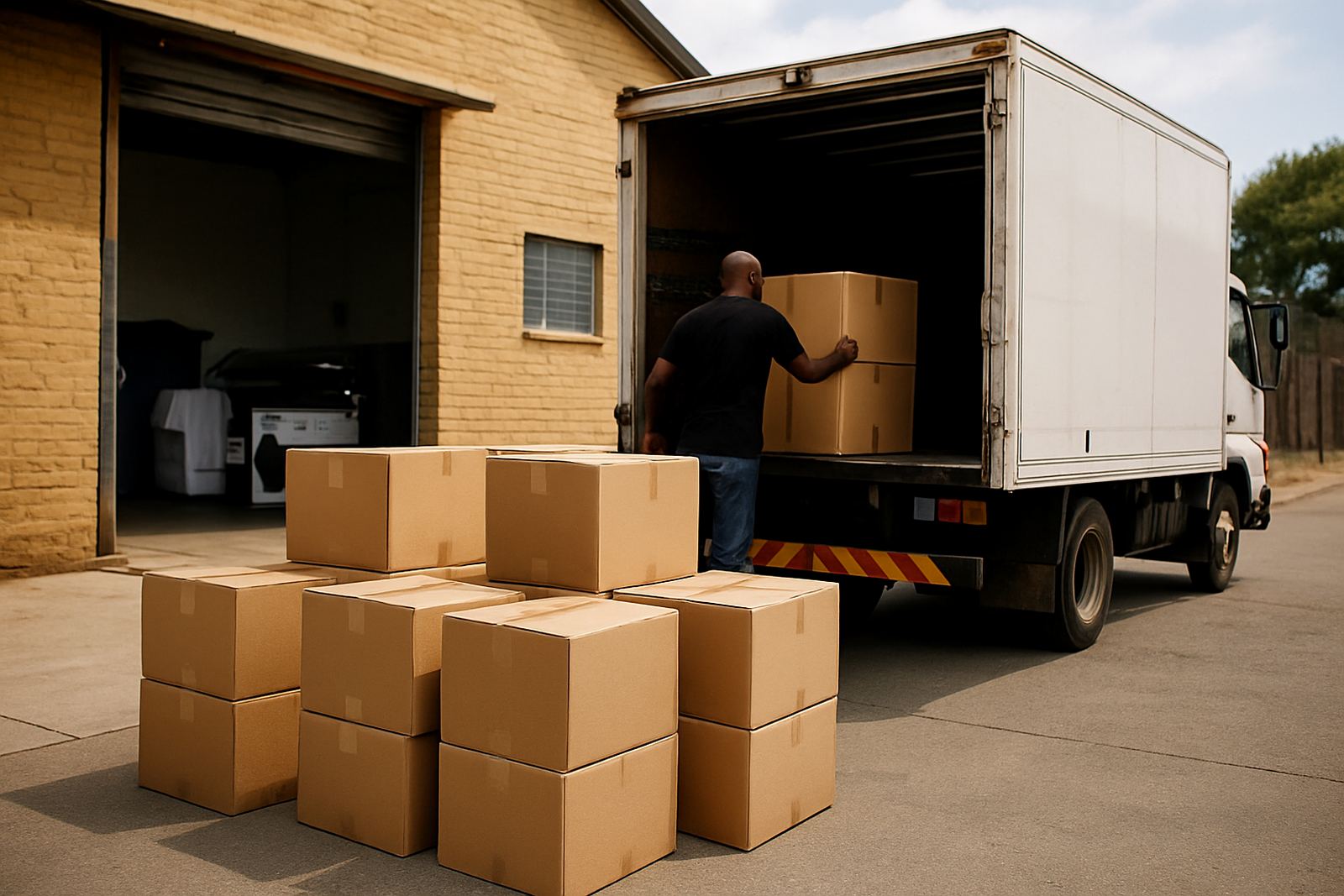
Because the order was local to Germiston, handover could be arranged quickly. That saved the client time on collection and allowed the graphics to move straight into finishing and installation. The overall schedule was short, but the job still needed careful handling at each step to keep the final result neat.
- Week 1: brief confirmed, materials checked and sample output reviewed
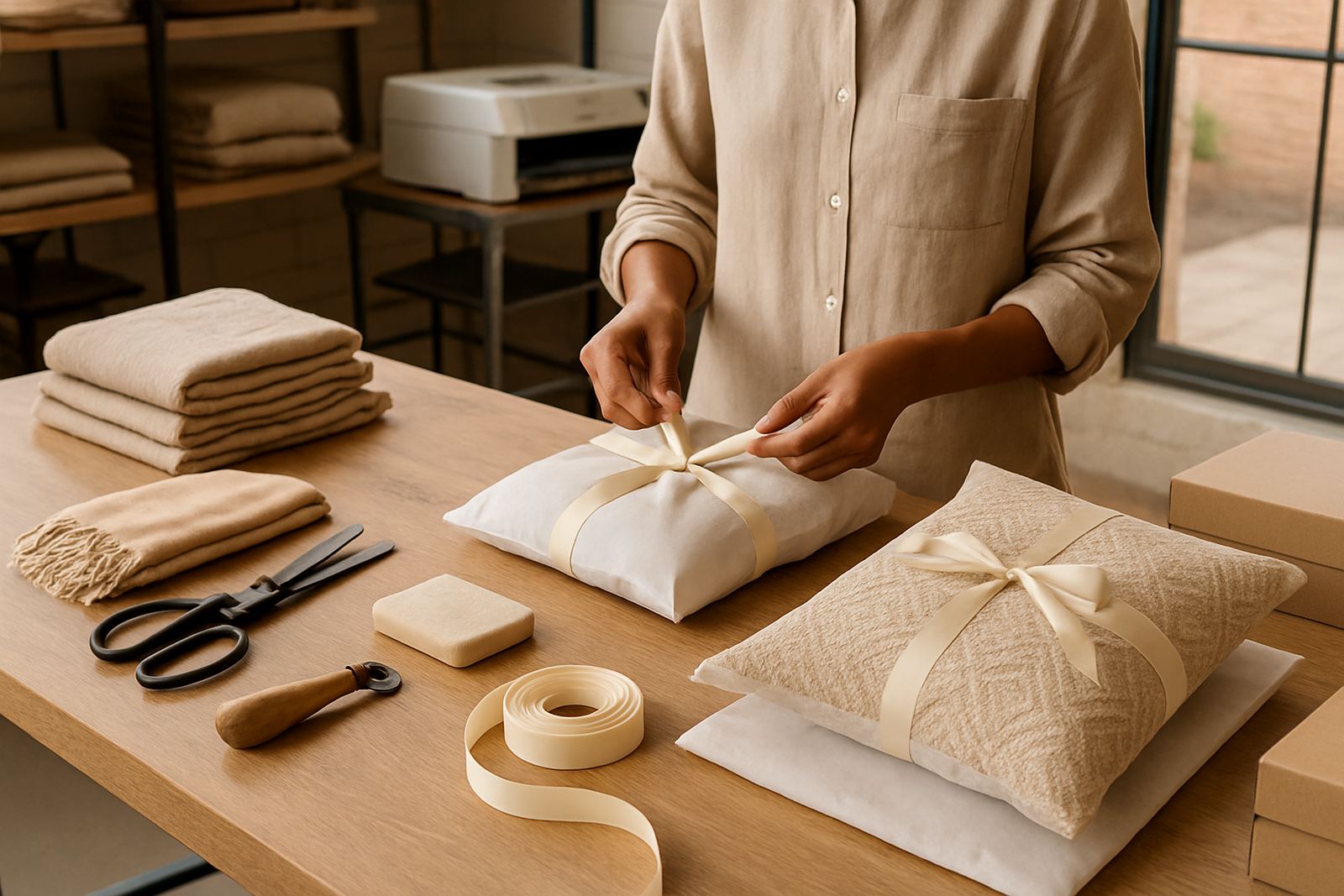
- Week 2: full print run completed, packed and handed over for installation
- Next step: client stored spare stock for repeat use on later display dates
We kept communication simple and practical throughout. The client used the enquiry form on our contact page for the initial request, then we confirmed the needed sizes, the finish and the expected courier or collection route. No part of the job needed unnecessary back and forth, which helped keep the turnaround on track.
Results on the floor in Germiston
The finished banners gave the client lightweight graphics that were easy to hang and easy to move after the campaign. The print came out with clear edges, good colour depth and a finish that suited indoor viewing. The client wanted something that looked tidy in a trade setting rather than flashy, and that is what was delivered.
From a practical point of view, the biggest result was repeatability. Once the print settings and colour checks were settled, the client could use the same approach for future banner runs without starting from scratch each time. That matters for businesses that print often and need the same result every time, not just a once-off piece.
The job also confirmed that wide-format sublimation can be a strong choice for display graphics where weight and handling matter. In this case the banners needed to travel, hang neatly and pack away without drama, and the finished product did that job well.
As a side benefit, the client now has a clearer stock plan for future orders. That means fewer last minute shortages and less pressure when a new promotion comes in with a short lead time.
What we would repeat on the next run
If we were doing this Germiston banner order again, we would use the same approach: confirm the artwork size early, test the colour on the intended fabric, then release the full batch only once the sample was right. That sequence saves time and avoids waste.
We would also keep the storage advice exactly the same. Rolled storage, a dry room and careful handling after print all help protect the fabric surface and keep the banners looking presentable for longer. In Johannesburg conditions, where dust and dry air can be part of everyday work, that advice is not optional.
- Confirm final dimensions before production starts
- Do one sample pass before the main run
- Keep spare ink on hand for repeat orders
- Store finished banners rolled, not folded
For trade clients across Germiston, Johannesburg and nearby areas, that is the kind of process that keeps a banner job practical and dependable. It is not about overcomplicating the order, just getting the colour, handling and timing right the first time.
Key facts
| Project | Germiston fabric banner job |
|---|---|
| Location | Germiston, Gauteng |
| Print method | Wide-format sublimation output |
| Material | Lightweight fabric banner stock |
| Timeline | 2 weeks from brief to handover |
| Key use | Indoor display graphics for trade presentation |