





Choose the Right Guide for Your Printer and Workload
Different print setups need different guidance. A small clothing studio in Randburg will usually want help with colour matching, refill timing and day to day checks, while a larger shop in Johannesburg or Pretoria may need more planning around stock levels, consistency and courier lead times. These guides are built to help both kinds of operations make practical choices.
If you are running a desktop printer for samples or short runs, start with ink compatibility and colour behaviour. If you are working with wider machines for garment decoration or screen print support, focus on flow, repeatability and how the ink behaves over longer print jobs. The aim is to reduce wasted stock and keep output predictable from one batch to the next.
Understand How Colour Behaves on Different Jobs
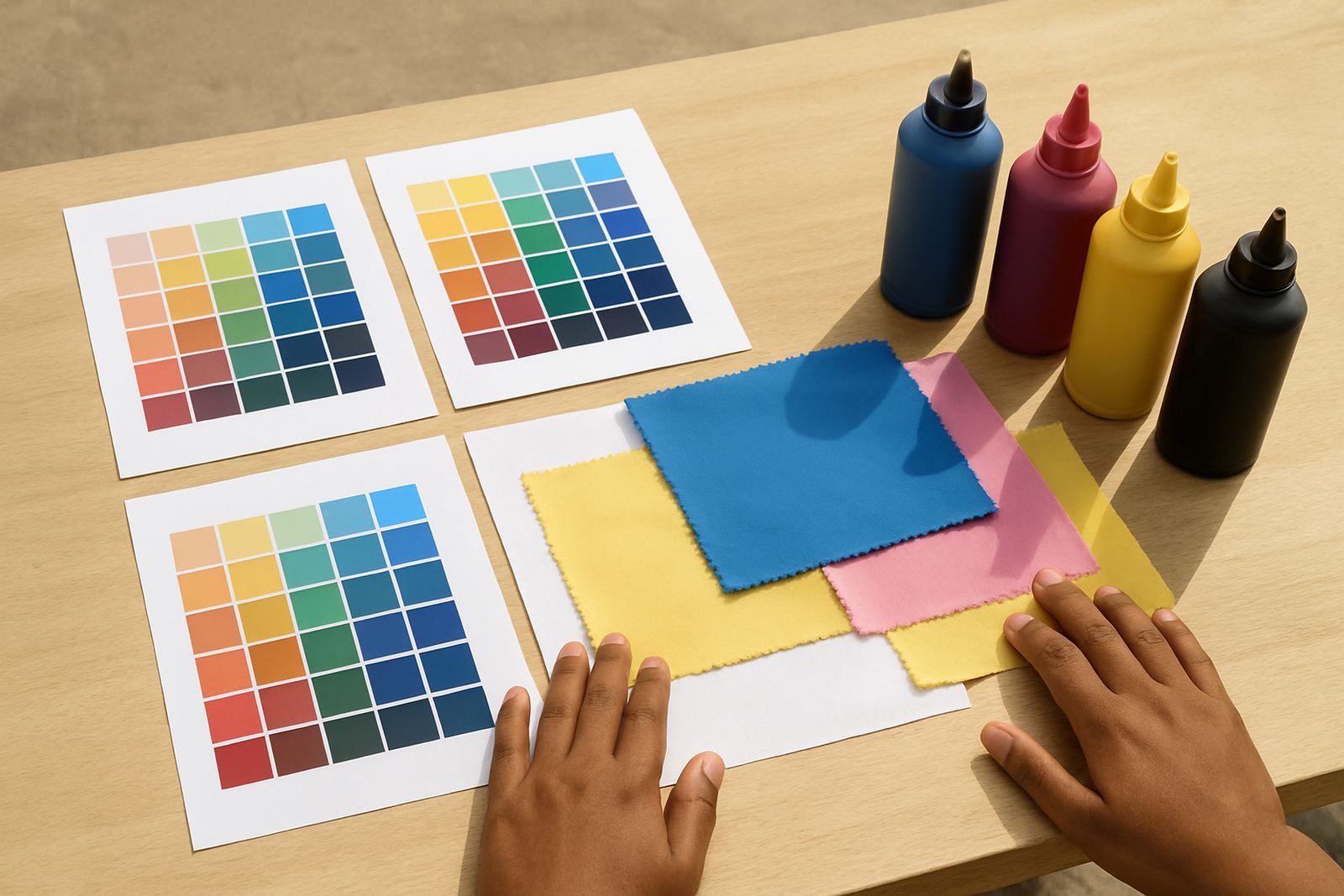
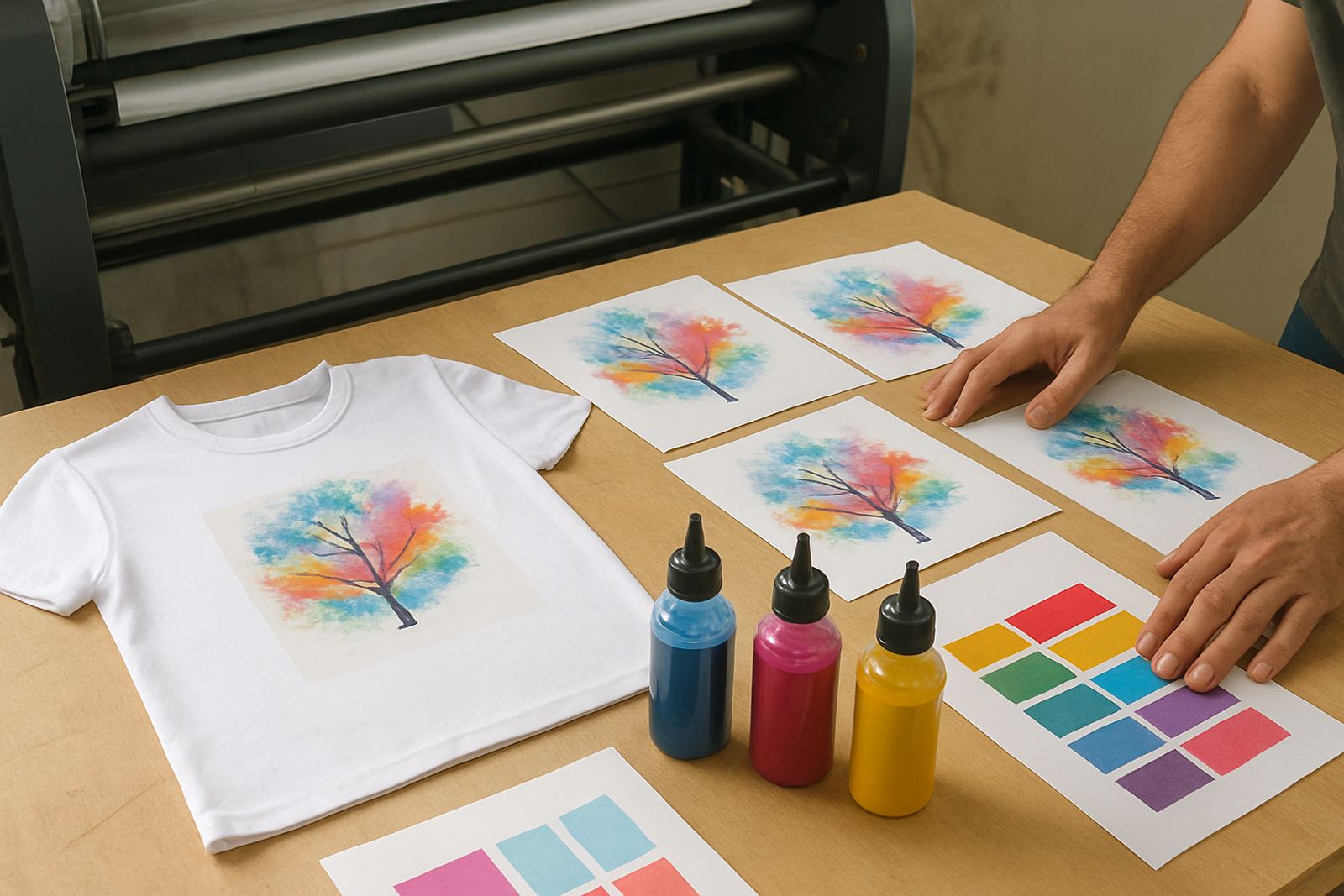
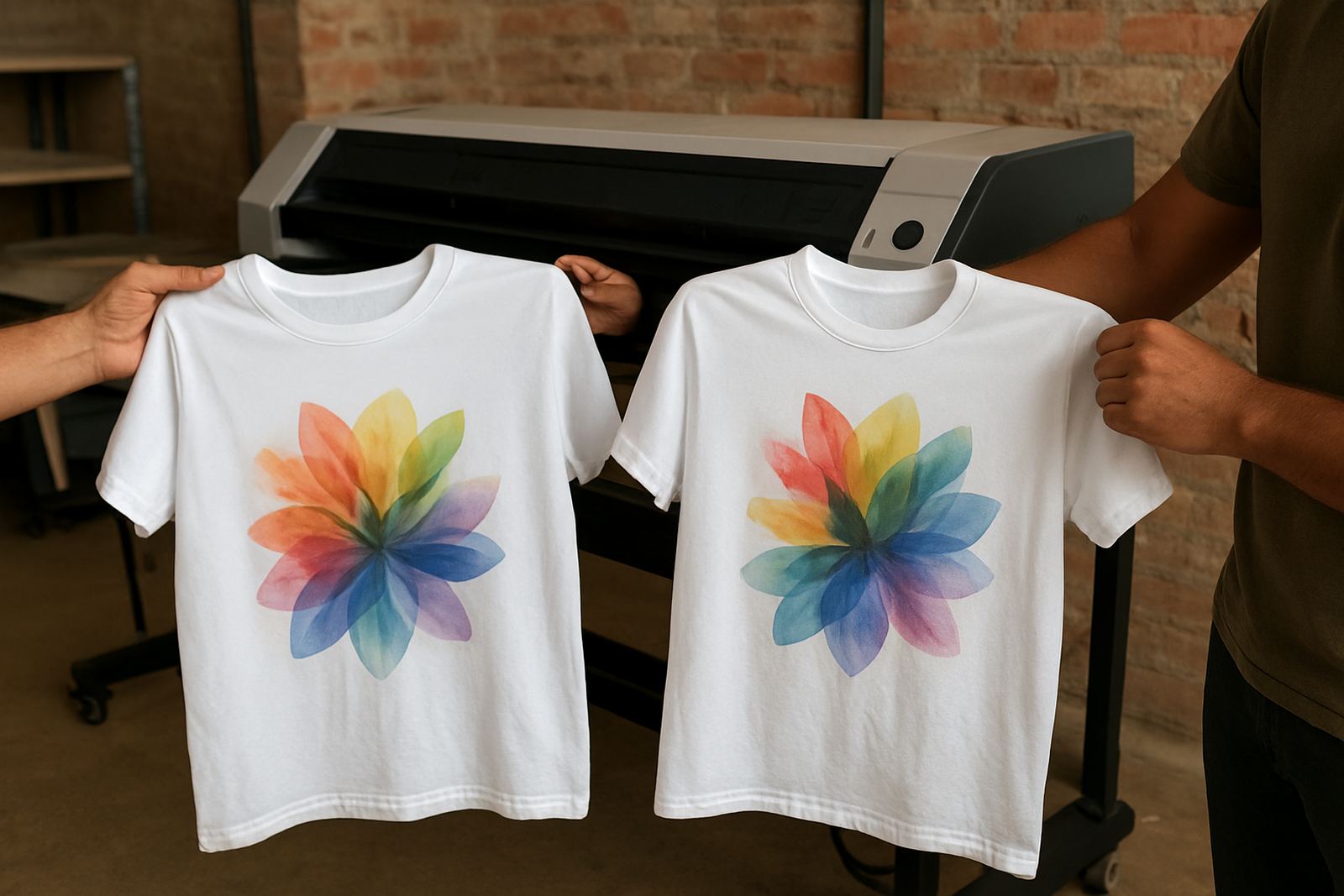
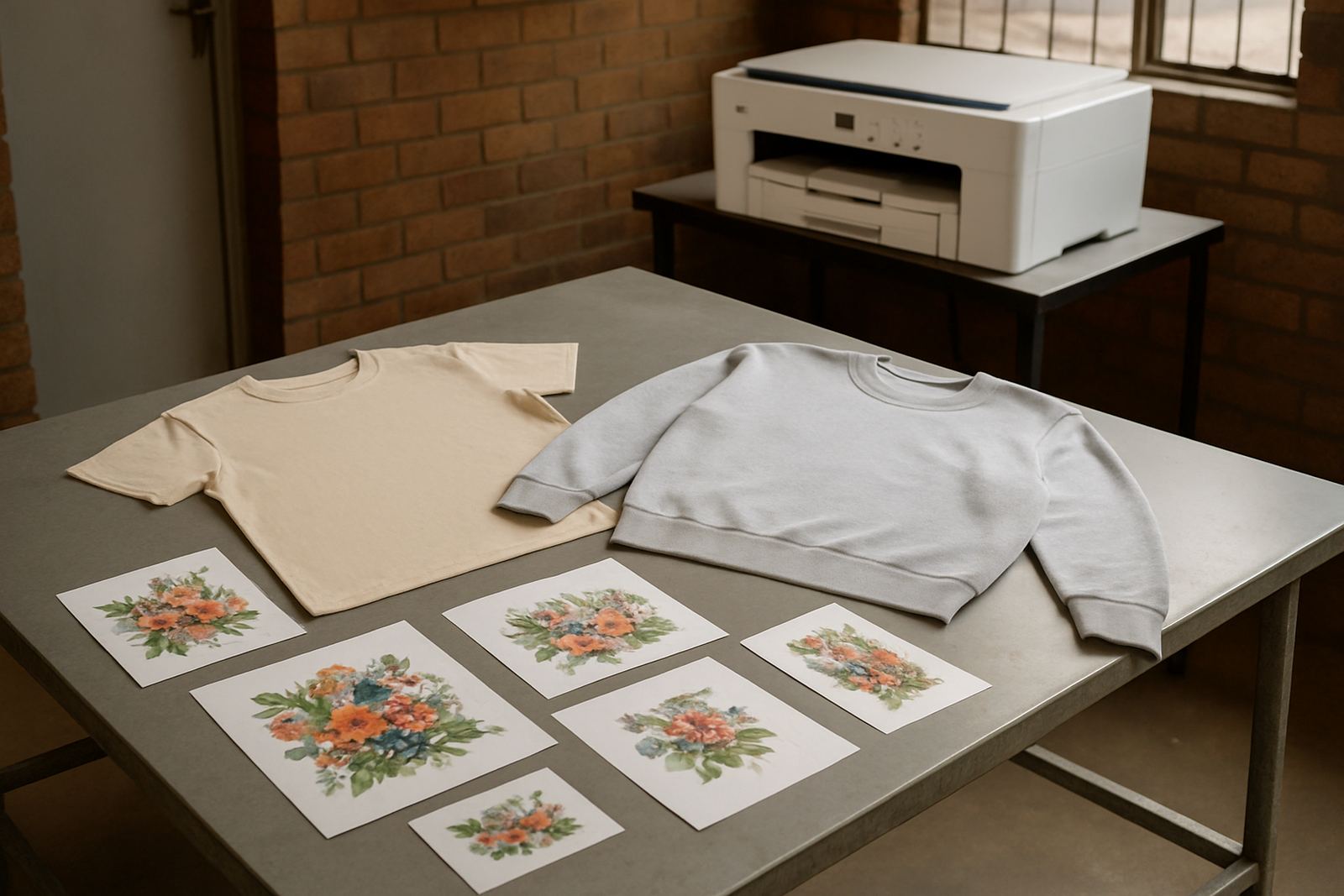
Sublimation colour can shift depending on paper, heat press settings, substrate and even room conditions. In a Kya Sand workshop, the same artwork can read slightly different on a mug, polyester shirt or coated panel if the heat and dwell time are not set properly. That is why the colour guides cover practical testing rather than theory alone.
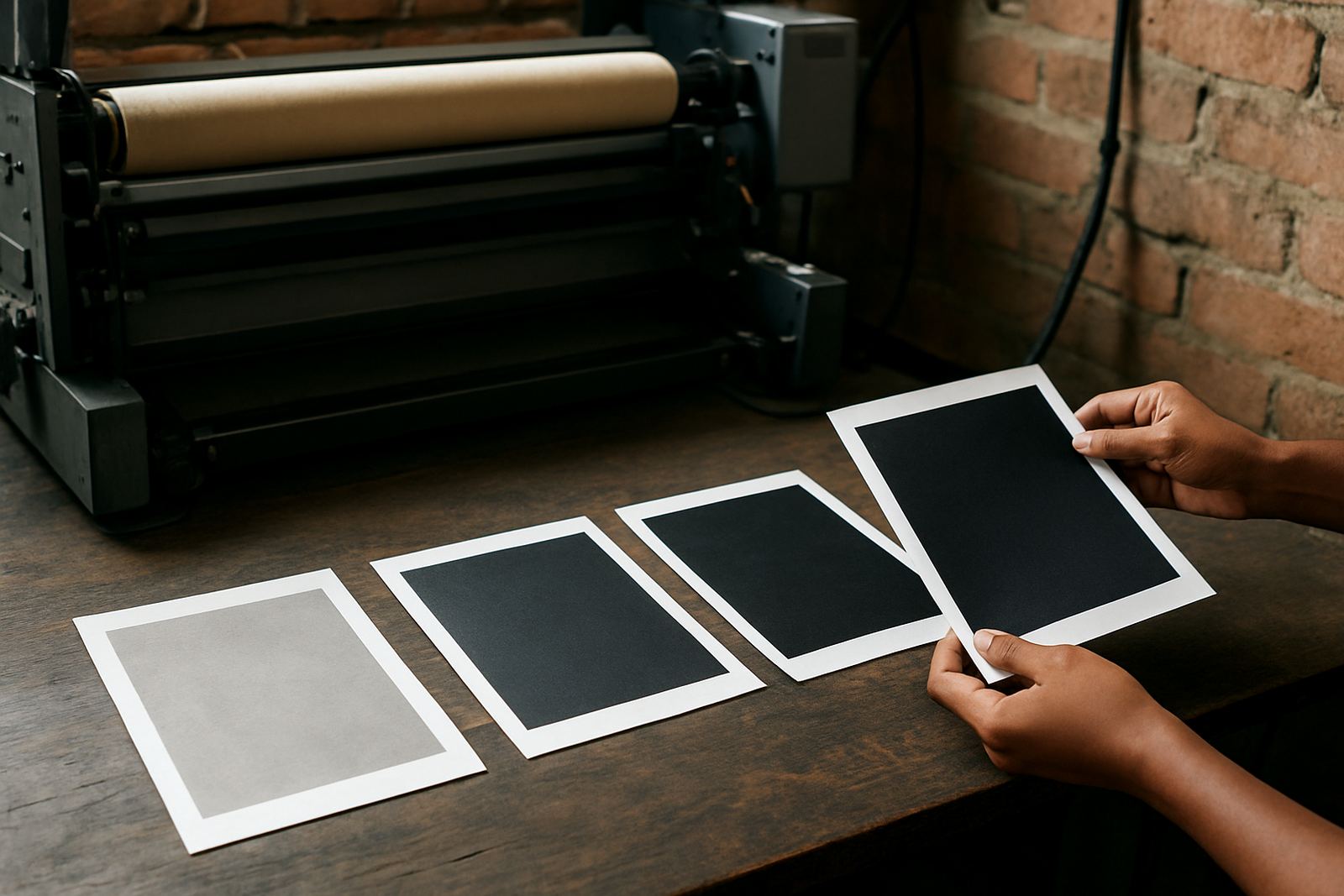
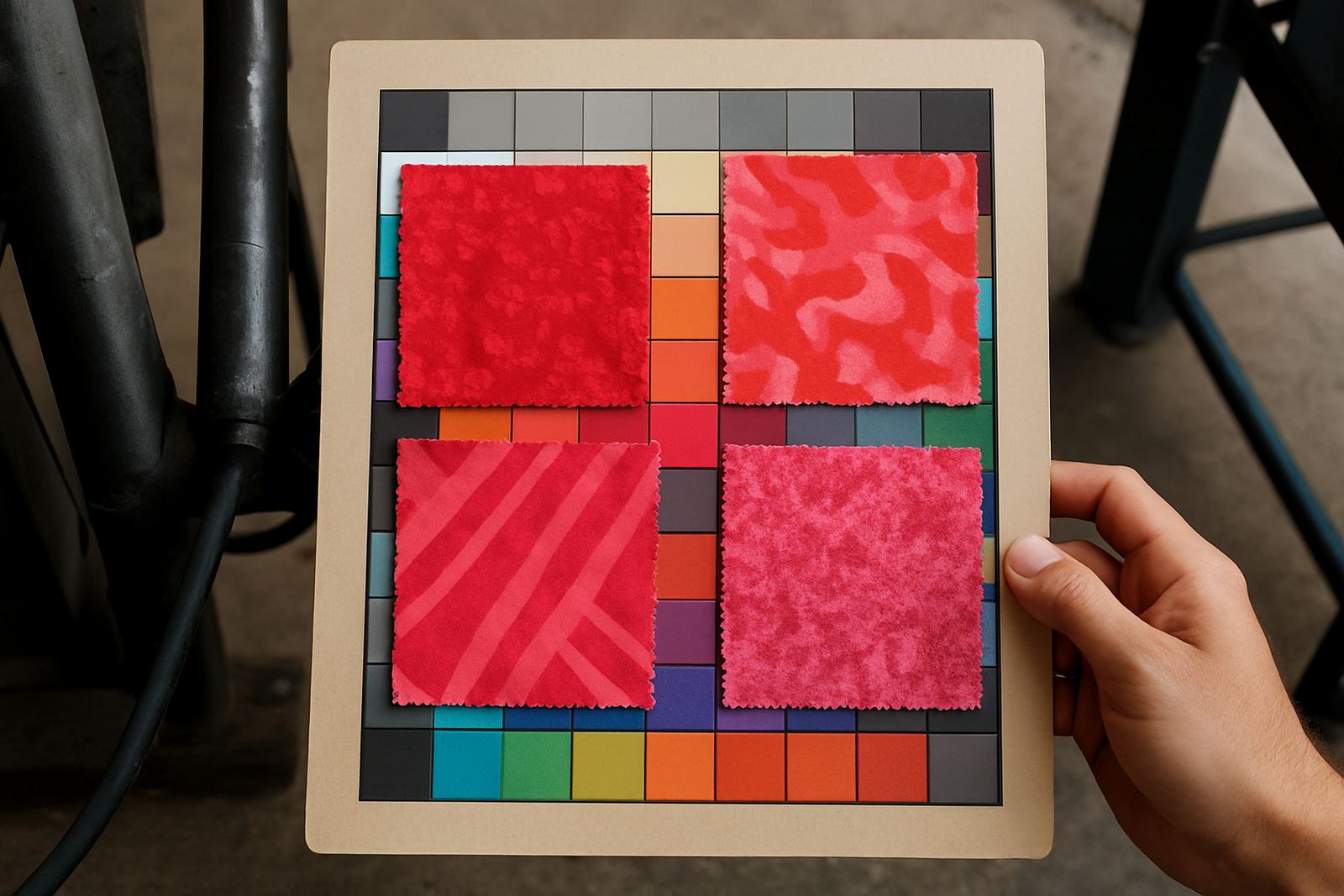
Use them when you need to check if a magenta is leaning too warm, if black is holding depth, or if a solid block is drying unevenly. Good colour control is not only about vivid prints, it is also about keeping repeat jobs within range so your customer does not see a different result on the next order.
- Check colour after a proper heat transfer, not straight off the printer.
- Keep notes on press temperature, time and pressure for each substrate.
- Compare new stock against a known sample before a large run.
Plan Refills Before the Bottles Run Low
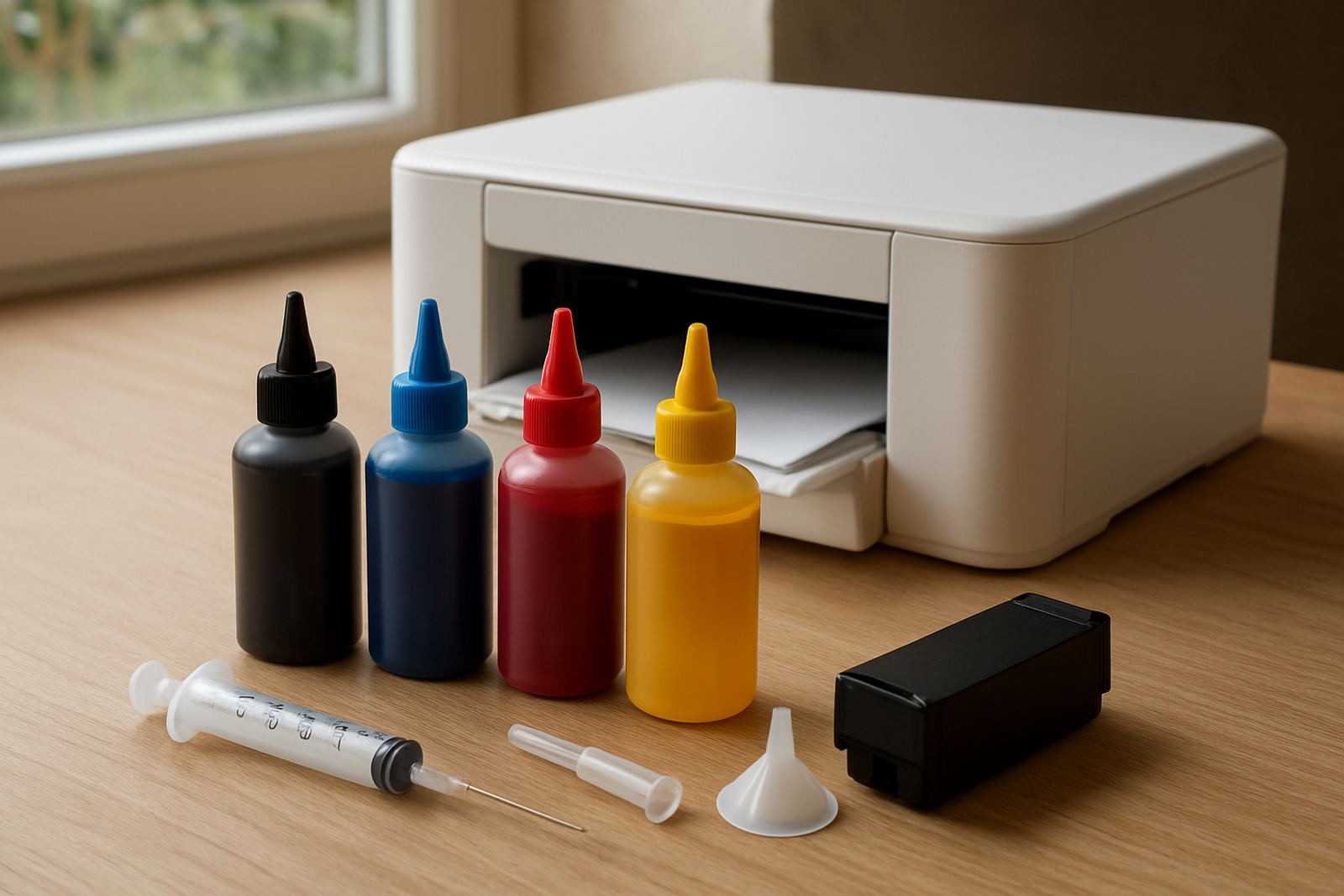
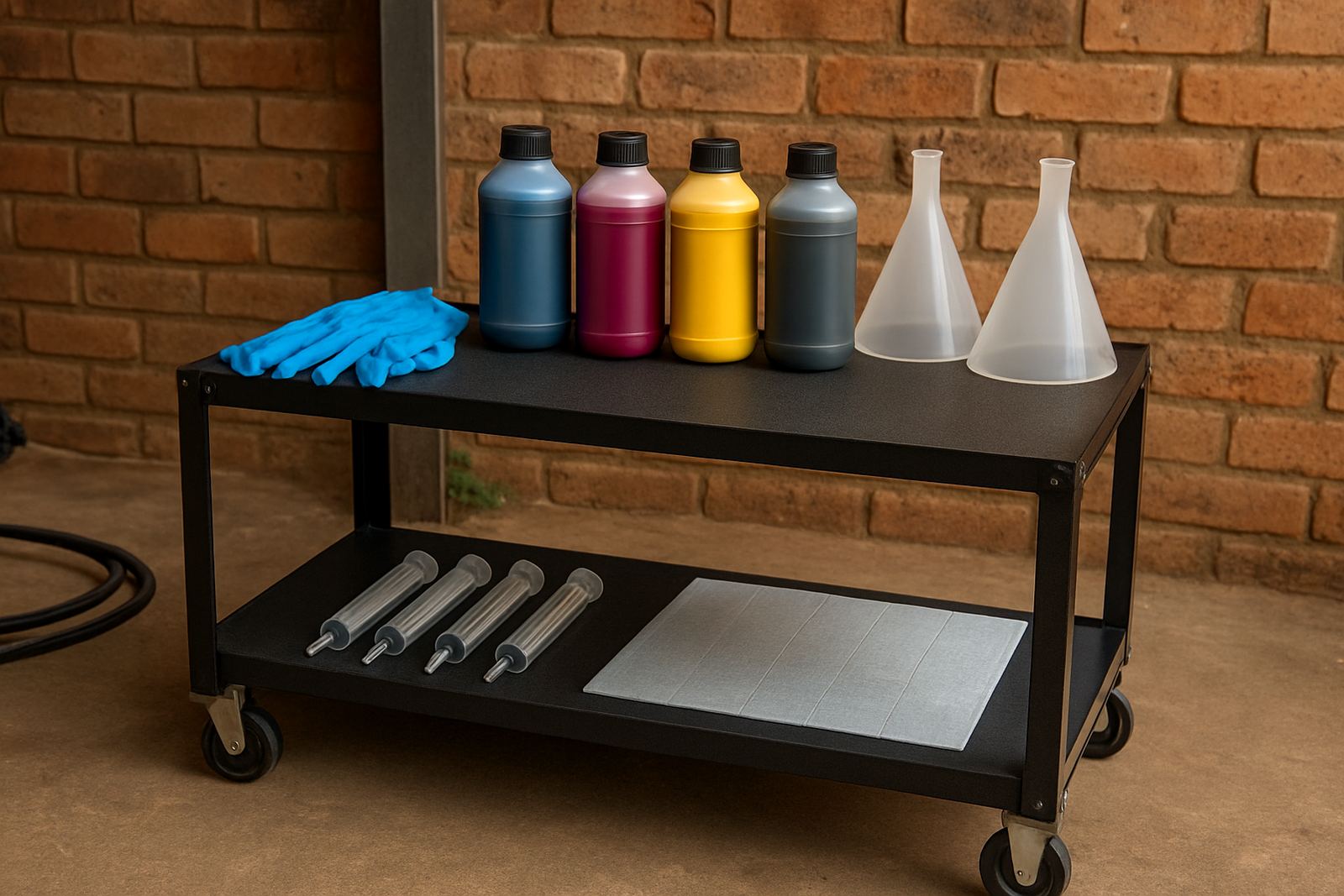
Running close to empty is a common reason for colour inconsistency. Once a system starts pulling air or the lines begin to run dry, you may see banding, missing tones or weak output that takes time to recover from. Our refill guidance helps you plan stock before the last bottle is finished, which is especially useful during busy weeks or load-shedding interruptions.
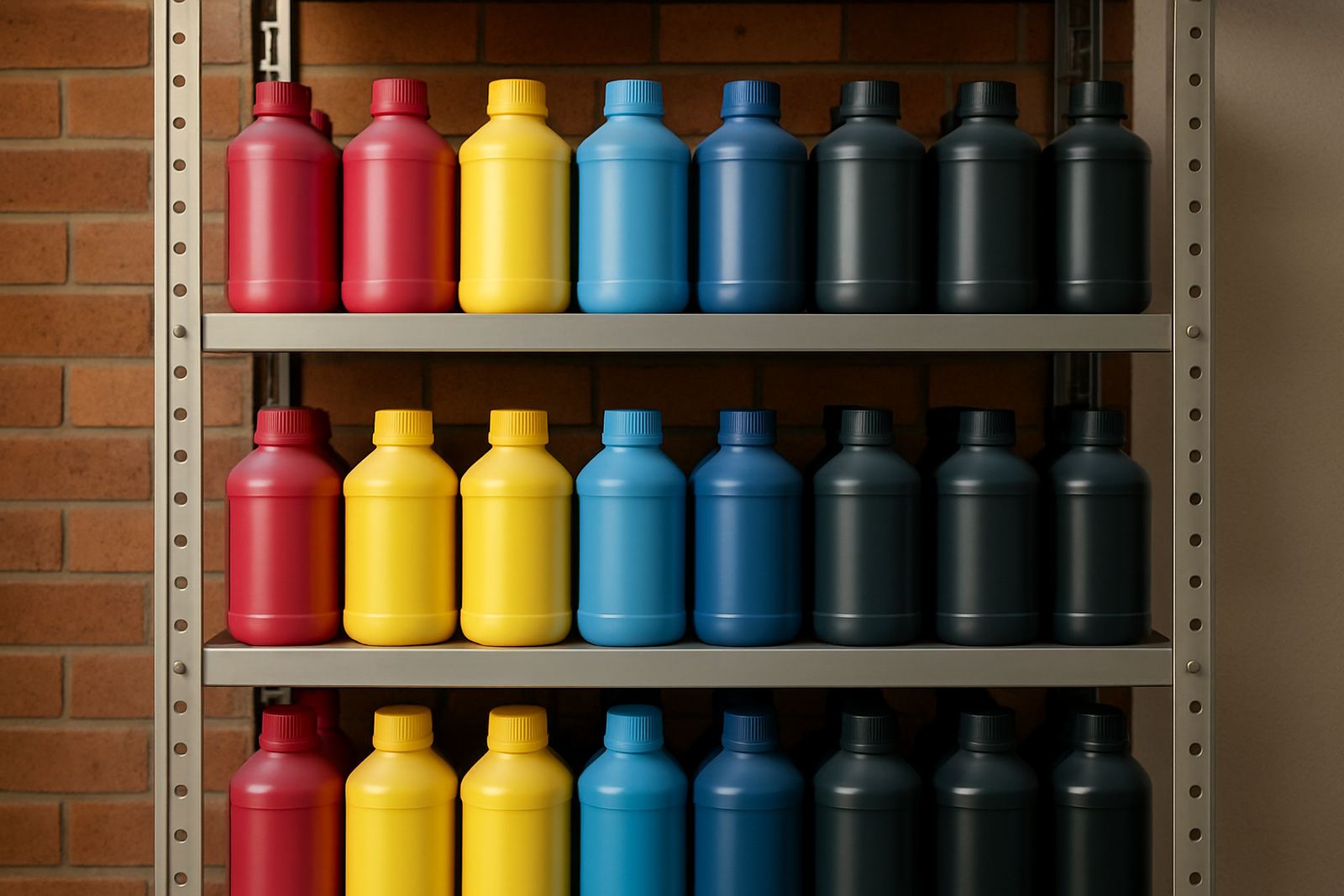
For trade customers, the right refill plan can cut down on emergency courier requests and reduce stops in production. It also helps with coastal humidity concerns in places like Durban or when a stock room is warm and dusty. Small habits matter here, like checking usage every few days and keeping a spare set on hand when orders pick up.
- Track ink usage by week, not only by bottle count.
- Keep a backup for peak season or promotional jobs.
- Do not top up only after print quality has already dropped.
Use Testing to Protect Print Quality
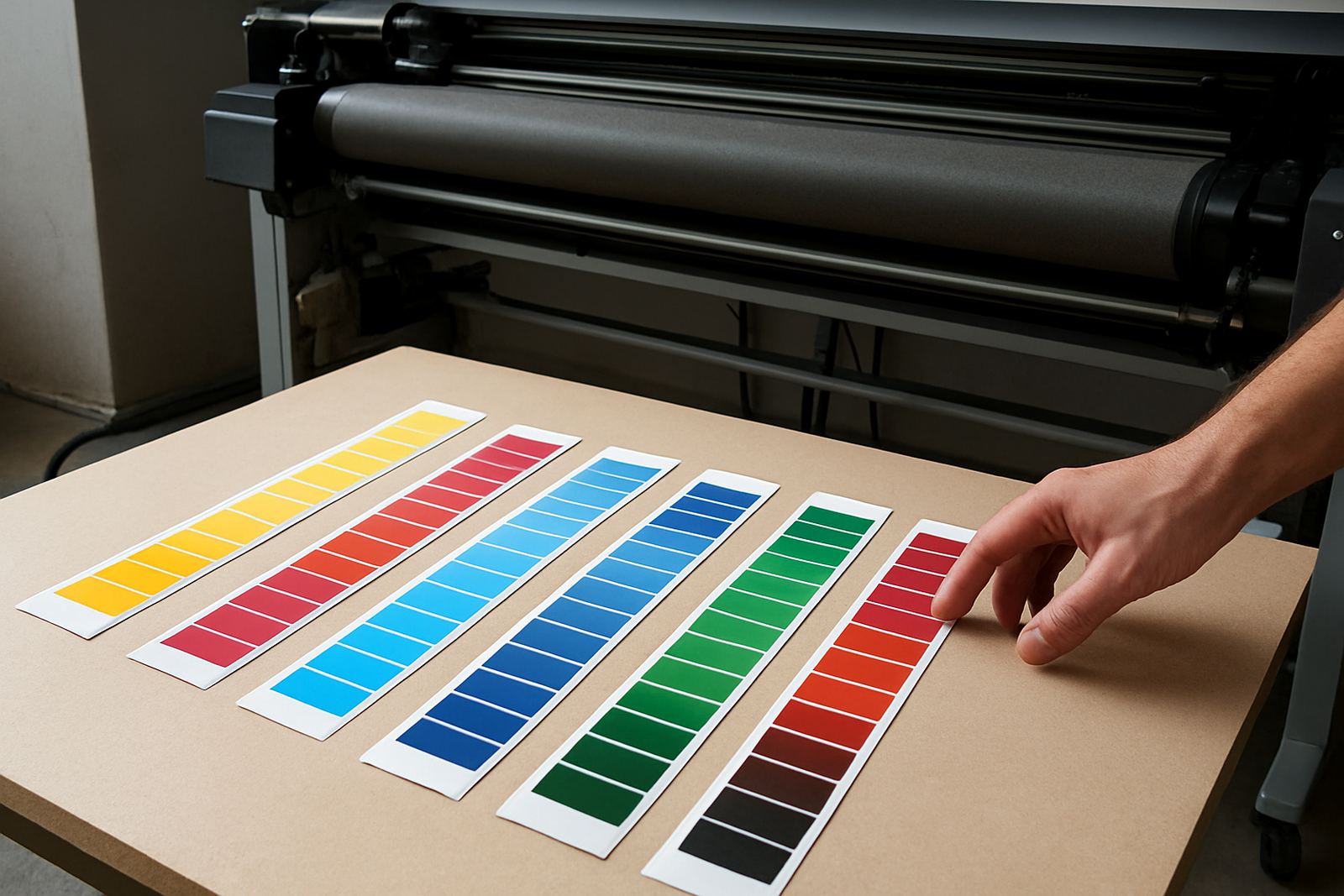
Testing is the easiest way to protect your margin. A small sample run tells you far more than guessing from screen colour alone. Our sample order assistance and colour troubleshooting guides are made for buyers who want to compare shades, check drying behaviour and confirm that the print will hold once heat is applied.
Good testing should be simple and repeatable. Print the same artwork, on the same media and press it under the same conditions. If the result changes, you can look at the ink, the settings or the substrate one by one instead of guessing. This saves time and gives your team a cleaner process, even when the shop floor is busy and people are working fast.
Keep Lines Clean and Output Consistent
Line cleaning and consistency advice matters when the printer is used daily. Ink that sits too long, or heads that are not maintained properly, can affect tone and sharpness. For businesses in Midrand, Sandton or the East Rand, where production schedules can be tight, a short maintenance routine is often the difference between a clean batch and a delayed job.
These guides cover simple checks that support better output:
- Run a nozzle check before important jobs.
- Keep caps, wipers and surrounding areas clean.
- Follow a regular line cleaning routine during quiet periods.
- Store bottles and working stock away from direct sun and heat.
When you keep the system stable, you spend less on waste and reprints and your garments leave the press looking more even.
Get Help from a South African Trade Team
Our colour guides are backed by a Johannesburg based team that works with print businesses of different sizes. Thabo Maseko leads the business, with support from Palesa Nkosi on sales, Pieter van der Merwe on technical matters, Yusuf Moosa on customer support, Elmarie Kruger in the warehouse and Bongani Shabalala handling logistics. That mix means buyers get practical answers, not vague general advice.
If you need help choosing a product, checking compatibility or planning a bulk order, use the enquiry form on our contact page. We also support next-day courier delivery nationwide from Kya Sand, which helps when a workshop needs stock quickly and cant afford delays.