Start with the printer and ink set details
Before you place a repeat order, confirm exactly which printer you are running, whether it is a desktop unit or a wide-format machine, and which ink set is already approved for that device. Keep the printer model, head type, bottle sizes, and current ink range in one place so your team is not guessing when stock runs low.
For trade accounts, the most common delays come from small detail gaps. A printer can look the same from the outside, but still use a different ink path, refill method, or bottle configuration. If you are managing several machines across one workshop or more than one site, note each unit separately so the correct product is ordered every time.
- Record printer model and serial number
- Note whether the unit uses desktop or wide-format ink
- List the current bottle size and any spare stock on hand
- Confirm the last successful ink batch used on that machine
- Mark any machines reserved for garment decoration or screen printing work
Build a clear recurring order sheet
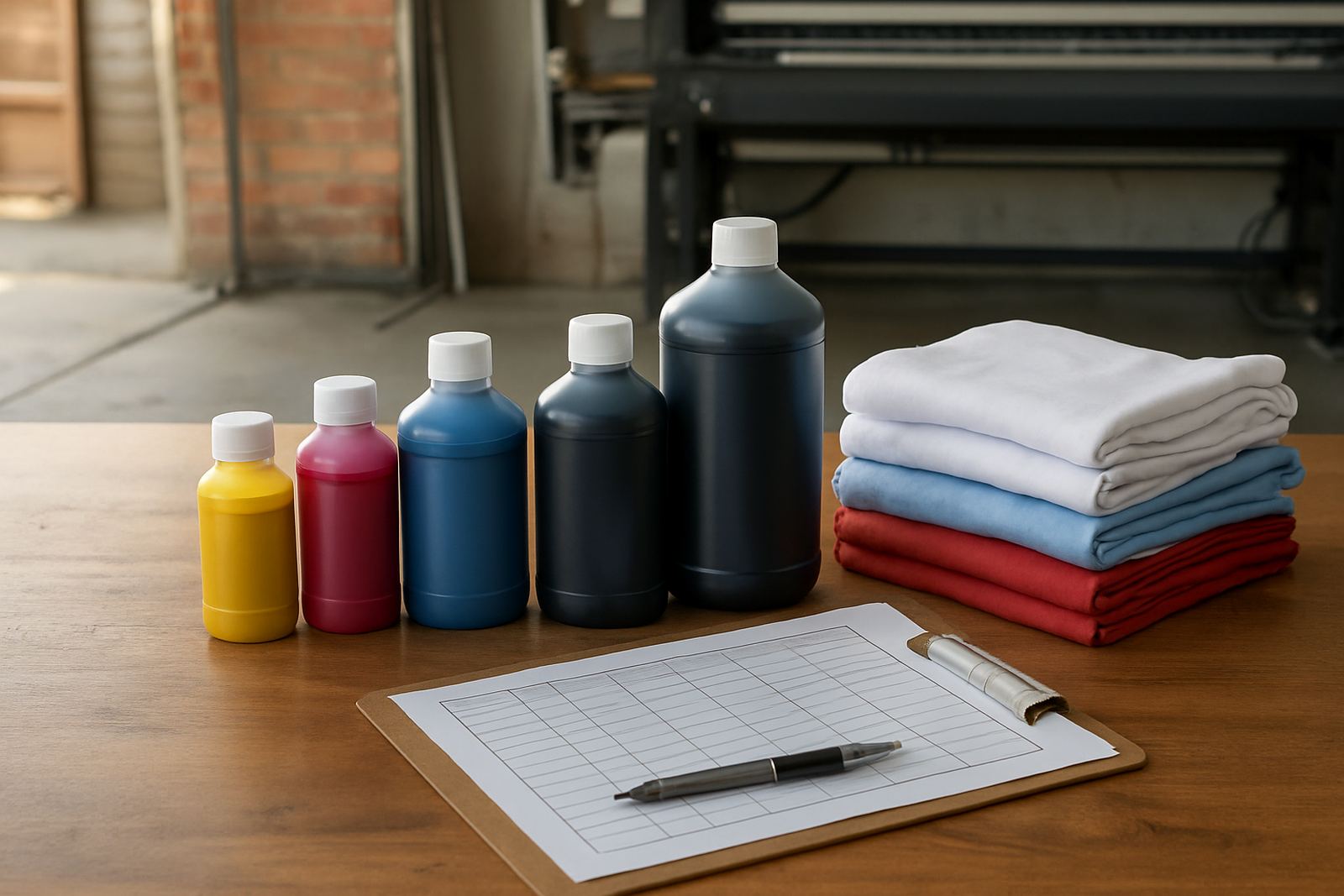
A clean order sheet saves time for both your store room and our Kya Sand team. Keep it simple, but make it exact. A good sheet should show the product name, colour, quantity, and the usual reorder cycle. If your business orders every week or every second week, add that rhythm to the record so stock planning becomes predictable.
Many trade customers also find it useful to separate standard replenishment from urgent buy-ins. That way the normal order can move through routine packing, while the urgent line gets flagged for faster attention. It also helps when load-shedding affects your print schedule, because you can plan around busy periods instead of scrambling for ink late on a Friday.
- Use one line per product colour or SKU
- Show expected monthly usage in litres or bottles
- Add the preferred reorder date
- Mark urgent items clearly
- Include a second contact person for receiving stock
Check colour consistency before you commit
Colour consistency matters when you are producing repeat garments, promotional items, or screen printed transfers. If a client expects the same shade every month, keep a simple sample record from approved jobs. That record should include the date, substrate, heat press settings, and the final result so you can compare future runs against it.
When a business changes paper, fabric blend, transfer method, or press settings, the result can shift even if the ink is unchanged. In humid areas or near the coast, storage conditions can also affect handling. Keep bottles sealed, store them upright, and avoid leaving stock in hot delivery vehicles for too long. If the print looks off, note whether the issue is on one machine or across the full line before ordering more ink.
- Keep one approved sample from each regular job type
- Note fabric type and coating used
- Record press temperature and dwell time
- Store inks away from direct sun and heat
- Flag any batch that produced streaking, dull colour, or clogged lines
Plan stock around production peaks and courier timing
Trade ordering works best when it follows your actual production cycle. If your team prints more during school terms, festive season, sports events, or month end promotions, increase stock before those peaks arrive. Waiting until the last bottle is almost empty is where most production interruptions start.
From our Johannesburg base in Kya Sand, inks can move by next-day courier nationwide, so the key is to order early enough for packing and dispatch. Johannesburg, Randburg, Roodepoort, Midrand, Sandton, Pretoria, and the East Rand can often be serviced quickly, but it still makes sense to allow time for receiving checks, especially where goods must be signed off at a warehouse or front gate.
- Review 30 day usage before each order
- Increase cover before busy trading periods
- Keep a minimum buffer for power cuts and delays
- Allow time for internal goods-in checks
- Separate local delivery needs from nationwide courier orders
Reduce ordering errors with a simple quality check
Before submitting an order, run through a short quality check. This step catches the small mistakes that cause returns, shortages, and wasted time. It is worth having one person in sales and one person in the print room sign off the list, especially where multiple staff members place stock requests during the month.
Check the quantities, make sure the right colour codes are listed, and confirm whether you need refill guidance, line cleaning advice, or bulk order support with the same shipment. If your team has recently changed bottle handling or cleaning routines, tell us in the notes so the right advice is included with the order. A little extra detail upfront can save a lot of follow-up later on.
- Confirm quantities against actual stock on the shelf
- Match the product name to the printer type
- Check spelling of colours and quantities
- Confirm delivery address and receiving hours
- List any special packing or courier instructions
Use support services to keep repeat orders accurate
Recurring trade orders get easier when the same information is used every time. If you are unsure about compatibility, stock planning, or colour troubleshooting, send the details with your enquiry form submission so the order can be checked before it is processed. That is especially helpful for start ups that are still learning how fast their line consumes ink, and for larger operations with several printers running at once.
Our team in Kya Sand works with trade customers on ink selection help, compatibility checks, sample order assistance, consistency advice, refill guidance, and bulk order support. If your order is linked to a specific production run or client deadline, mention that too. We can then help you plan quantities more accurately and reduce the chance of running short mid-job. Clean order preparation is a small habit, but it makes a big difference to output.