1. Confirm the printer and ink match
Start with the exact printer type you are using, because desktop and wide-format machines do not always behave the same way. Check the model, the ink delivery system, and whether the machine has been running the same ink line consistently or if you are changing over from another supply.
If you are unsure, compare the cartridge size, bottle size, and the way the ink is fed into the system. A wrong match can cause poor flow, blocked lines, or colour shifts that only show up after a full job is already underway.
- Write down the printer model and head type
- Confirm whether it uses desktop cartridges, refill bottles, or bulk tanks
- Check if the current ink has been in use for a while or if you are changing product
- Make sure you know the print volume you need each week
2. Work out your true monthly usage
Bulk buying only makes sense when the numbers line up. Estimate how much ink you use in a normal month, then add a buffer for busy periods, reprints, and test runs. For garment decoration, screen printing support work, and short production runs, usage can climb quickly when orders bunch up.
It helps to look at the last 4 to 8 weeks instead of guessing. If your team is printing in bursts, or if you are doing sample work for several clients, the weekly average may be more useful than the monthly total. Keep an eye on seasonal demand too, especially before school events, sports days, and year-end gifting.
- Add up bottles or cartridges used in the last 30 days
- Include test prints and colour checks
- Allow extra stock for rush jobs and client approvals
- Plan for slower delivery days around public holidays and load-shedding interruptions
3. Check colour behaviour before you scale up
When you increase order size, consistency matters more than price alone. Ask whether the ink gives the same tone across repeat batches, especially if you print brand colours, school colours, or corporate work where the shade must stay close from job to job. A small shift in yellow or black can change the whole final result.
For shops near the coast or in humid areas, storage conditions matter too. Heat and moisture can affect ink handling and storage, so keep containers sealed and off the floor. In Kya Sand and other Gauteng areas, dust management is also worth checking, because a dirty line can upset colour consistency very quickly.
- Run a repeat test on the same design over several days
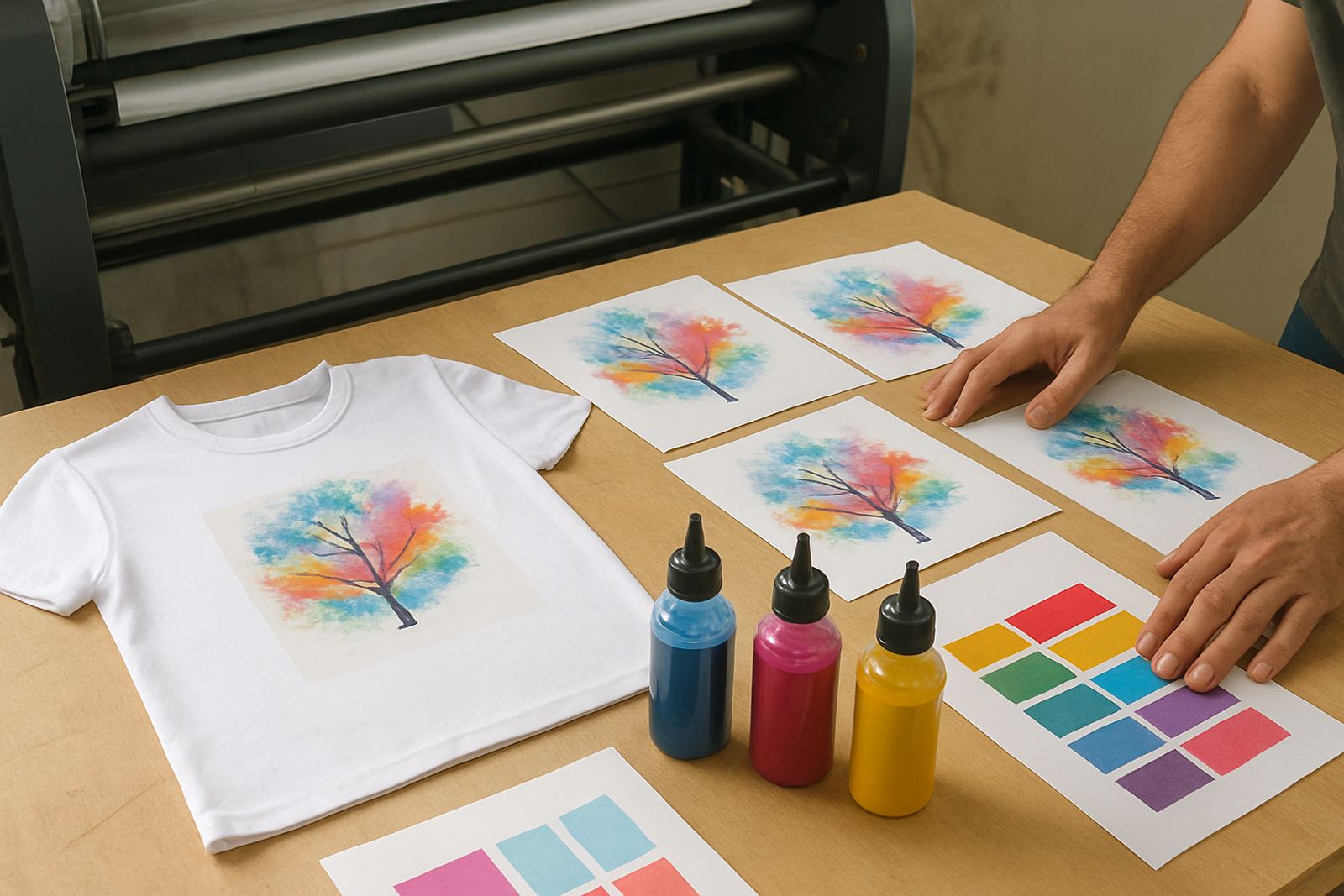
- Check how colours look on your usual transfer paper or substrate
- Confirm that the ink dries and transfers as expected
- Store bulk stock in a cool, dry place away from direct sun
4. Make sure your stock plan can handle bigger orders
Once you start buying in larger quantities, you need a simple stock plan so you do not run short mid-job. Larger purchases should fit your storage space, your cash flow, and your sales pattern. It is not helpful to overbuy if the bottles sit for too long or if they tie up money that should be used on paper, blanks, or payroll.
A good plan also helps with reorder timing. If you have staff handling production, make one person responsible for recording what goes in and what goes out. That way, you can see when the next order should be placed before things get tight. The best bulk purchase is the one that lands just before you need it, not after.
- Count how many weeks of stock you can safely hold
- Set a reorder point for each colour used most often
- Separate fast-moving stock from slow-moving stock
- Keep a simple log for issue, use, and remaining balance
5. Plan for courier timing and delivery area needs
If you are buying for production, courier timing matters as much as product choice. From our Johannesburg base in Kya Sand, we work with next-day courier delivery nationwide, which helps when your team cannot afford delays. Local clients in Randburg, Roodepoort, Midrand, Sandton, Pretoria, East Rand, and nearby areas often need stock that arrives in time for the next production slot.
Before placing a bulk order, think about your cut-off times, whether someone will be available to receive the parcel, and how quickly you need to start using the ink. If you are supporting a print run with tight deadlines, it helps to order before the stock is almost finished. That avoids panic buying and keeps your line moving.
- Confirm your delivery address and receiving hours
- Check whether you need local delivery or nationwide courier
- Allow extra time for busy weeks, municipal delays, or load-shedding related interruptions
- Order before your last bottle is opened
6. Use support before you commit to a larger order
Bulk buying should come with practical support, not guesswork. If you are uncertain about compatibility, refill handling, line cleaning, or the right mix for your printers, get the details sorted before you buy in quantity. That is especially useful for newer businesses, or for trade customers taking on bigger production work for the first time.
At Sublimation Ink, the team can help with ink selection, compatibility checks, colour troubleshooting, sample order guidance, stock planning, and trade customer support. That support can save time and reduce waste when you are moving from small orders to regular production buying. A little checking now is cheaper than replacing stock later.
- Ask for help with printer and ink compatibility
- Request sample order assistance if you are testing a new setup
- Get guidance on line cleaning before changing products
- Use stock planning advice to decide on the right order size