Start With a Clean, Dry Storage Area
Store sublimation ink in a clean room or cupboard away from direct sun, windows and roof heat. Kya Sand, Randburg and Midrand can get very hot in summer, so a storeroom that feels fine in the morning may be too warm by midday if it sits against a metal wall or under an uninsulated ceiling.
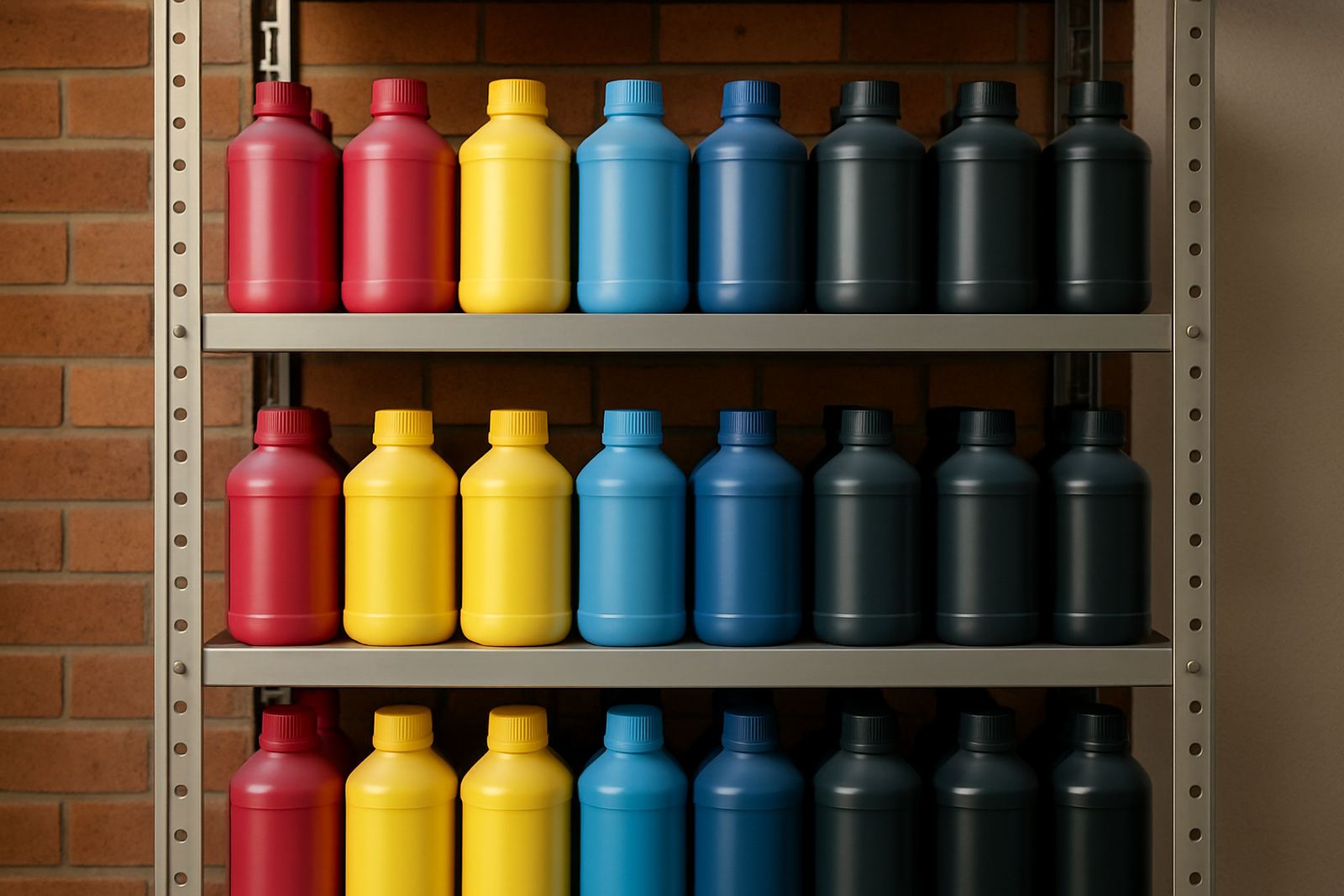
Keep cartons off the floor on shelving or pallets, especially in areas that can take in damp during heavy rain. Even sealed products can pick up dust and grime if they are left near open doors, packing tables or floor cleaning chemicals. A tidy storage space also makes it easier to spot leaks, damaged seals, or stock that needs to move first.
- Keep stock away from sunlight and heat sources
- Avoid storing near cleaning chemicals, solvents or food
- Use shelving that keeps cartons off the concrete floor
- Seal open boxes again after use
Use Temperature Control That Fits Local Conditions
Sublimation ink performs best when it is kept at a stable room temperature. Sudden heat spikes and cold nights can affect viscosity, settling and print consistency. In Gauteng, a store room can swing quite a bit between day and night, especially during winter when buildings cool down fast after sunset.
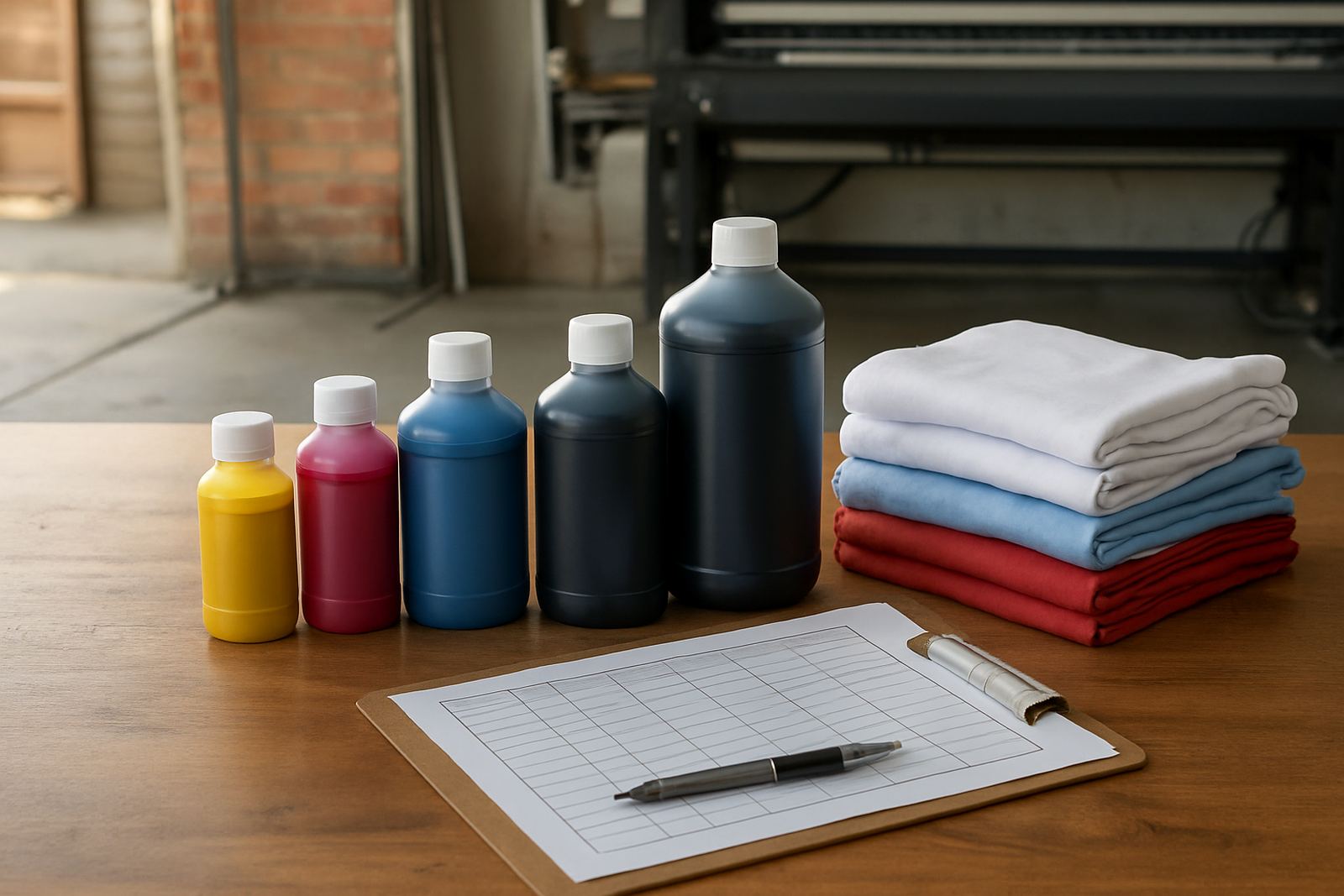
If your site is affected by load-shedding, avoid leaving stock in rooms that get extreme temperature changes because of poor ventilation or failed climate control. A basic thermometer in the storage area is worth having, and so is a simple log sheet. You do not need anything fancy, just enough to see when the room starts drifting out of range and act before stock is affected.
Keep bottles in their original packaging until they are needed. That gives extra protection from dust and light, and it helps staff identify the batch and expiry details at a glance.
- Check the storage room temperature at least once a day
- Keep cartons away from heaters, geysers and hot ducts
- Do not leave stock in a courier van or bakkie for long periods
- Allow stock to settle at room temperature before opening it
Apply First-In, First-Out Stock Rotation
Good stock rotation prevents older ink from sitting too long while new stock gets used first. Use a first-in, first-out system and mark every carton clearly with the date it arrived and the date it was opened. This is especially useful for businesses holding bulk orders or mixed shades, where one slow-moving line can be overlooked.
For trade customers in Johannesburg, Pretoria and the East Rand, it helps to separate active working stock from reserve stock. Keep the reserve stock in a back shelf and the working stock in front, so the team always reaches for the oldest usable item first. If your operation handles multiple printer sizes, label by printer type as well as by colour so there is no confusion during busy shifts.
- Write the received date on every outer box
- Place older cartons in front of newer ones
- Keep opened stock in a dedicated section
- Review slow-moving lines once a week
Protect Ink During Receiving and Transit
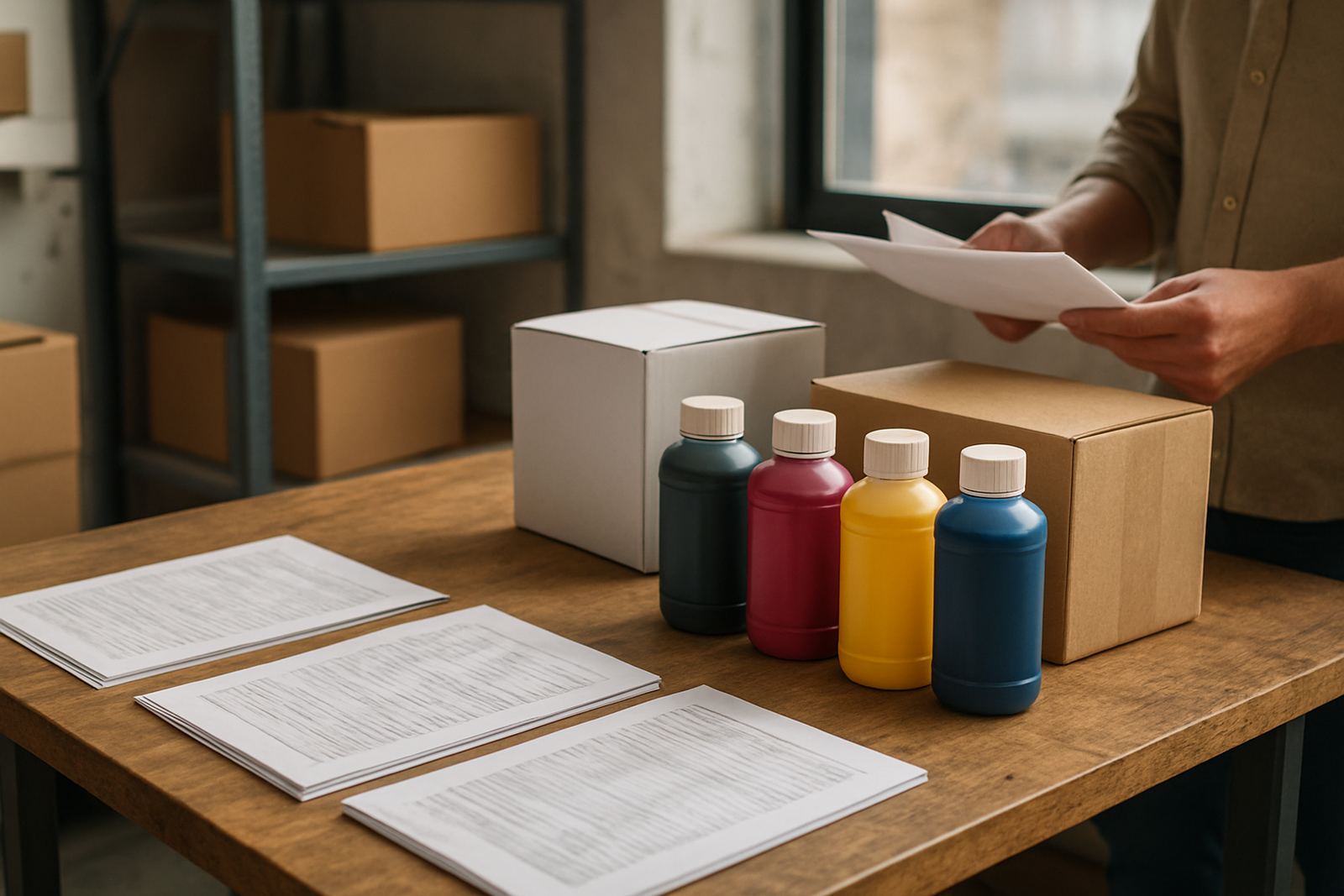
Storage best practice starts before the stock even reaches the shelf. When deliveries arrive, check that boxes are dry, clean and intact before signing off. Any crushed outer packaging or signs of leakage should be reported and set aside immediately so it does not contaminate the rest of the stock.
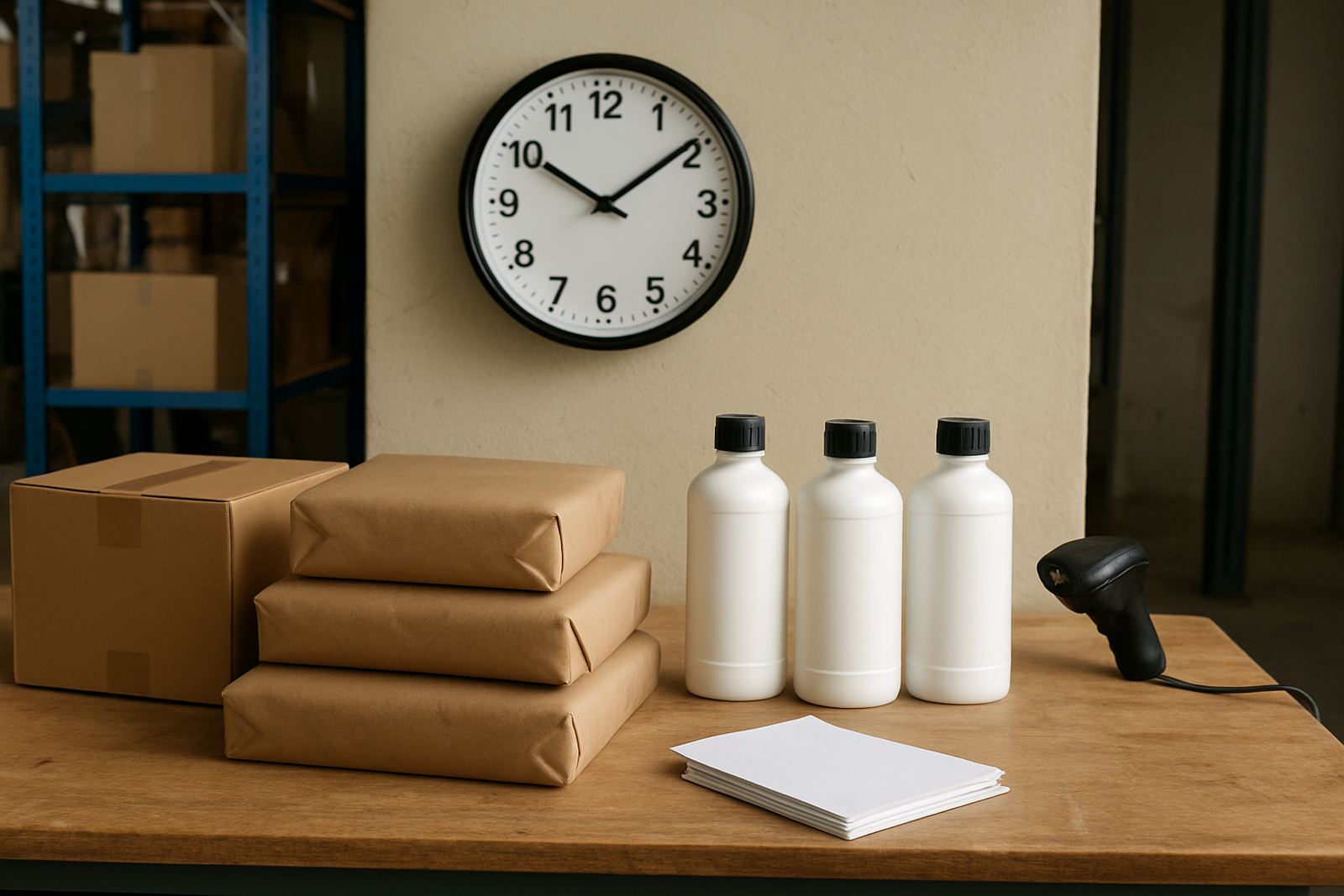
For nationwide courier deliveries, plan for an unpacking routine as soon as the parcel reaches your site. Do not leave cartons in a reception area all day, especially in summer or near a window. If a delivery arrives late in the day, move it straight into storage and inspect it the next morning. That small step can save a lot of waste, especially when couriers are moving through multiple stops in the heat.
- Inspect cartons on receipt for damage or leaks
- Move stock into storage as soon as it arrives
- Keep delivery notes with the batch record
- Quarantine any doubtful stock before use
Handle Open Bottles and Working Stock Carefully
Once a bottle is opened, the way it is handled matters just as much as where it is stored. Close caps properly after decanting, wipe the neck clean and make sure no dust enters the bottle. A little care here can prevent blockages, settlement issues and colour variation later on.
If your team refills smaller containers for daily use, label them clearly and keep them in a separate area from sealed stock. Never use a bottle with a damaged cap or one that has been mixed with another colour by mistake. If that happens, set it aside and report it before it gets used on a production run. A small spill can spread very quickly on shelving, so keep absorbent cloths and a cleaning tray nearby.
- Cap bottles tightly after every use
- Wipe drips before placing bottles back on the shelf
- Label decanted bottles with colour and date
- Keep opened stock away from vibration and moving equipment
Build a Simple Monthly Storage Checklist
A monthly checklist helps keep storage habits consistent, even when the team is busy. It also helps identify the small problems before they become stock losses. This is useful for both start-up print shops and larger operations with several users taking from the same shelf.
Use one person to sign off the checklist each month, preferably the warehouse or stock lead. In our experience, a quick review beats dealing with wasted stock later. Check the room, the labels, the shelving and the oldest cartons. If something is off, fix it straight away rather than waiting for the next stock count. That one habit can save money and protect print quality through the whole month.
- Check temperature and room cleanliness
- Confirm that all stock is clearly labelled
- Remove damaged cartons from the main shelf
- Review expiry dates and slow-moving items
- Make sure opened bottles are stored upright