Start With the Printer You Already Have
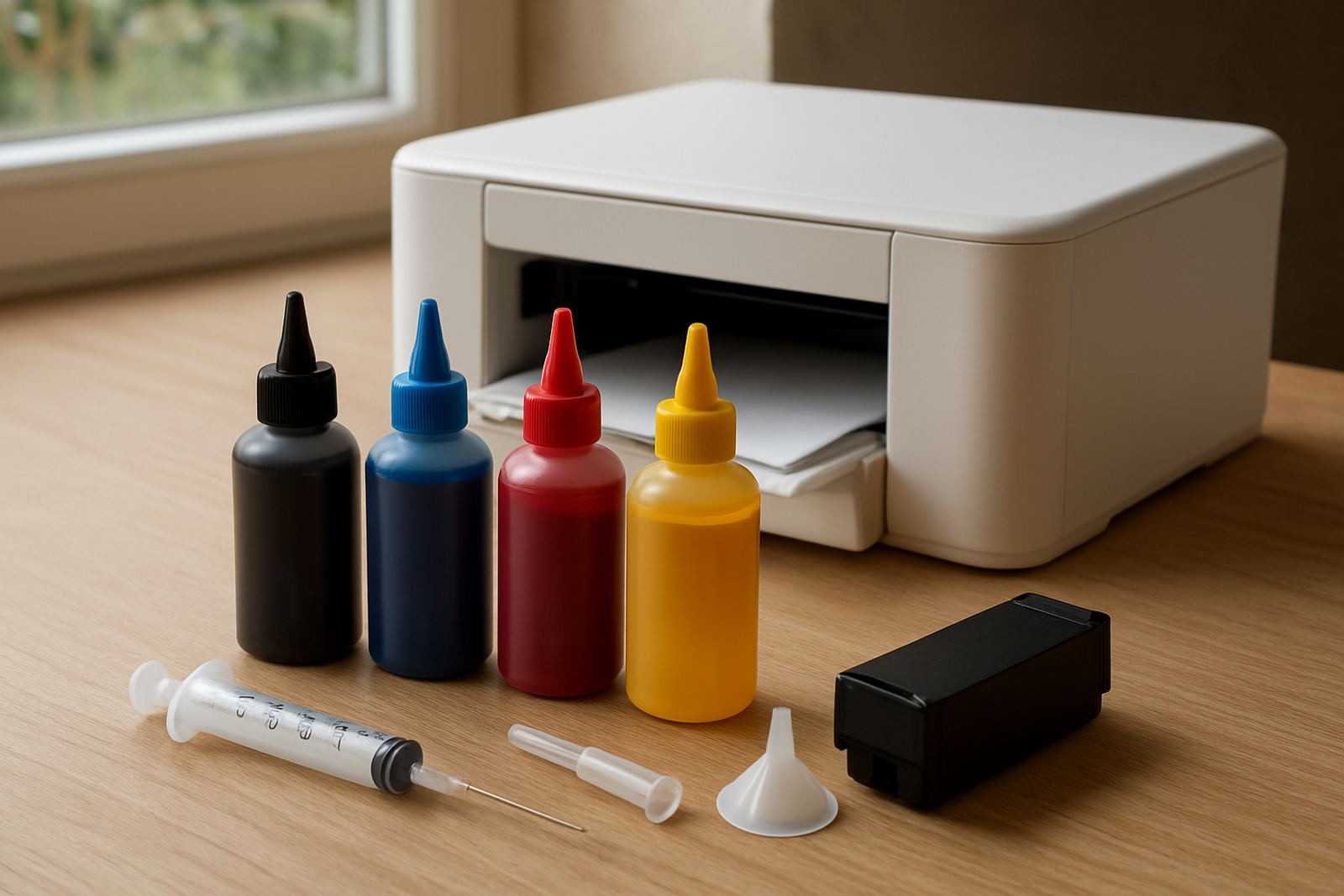
The first question is not how much ink looks like a good deal, but what your printer can use safely. Desktop units, wide-format machines and converted systems all take different cartridge or bottle sizes, so the wrong purchase can slow you down before the first print. If you are unsure, check the printer model, the ink channel setup and whether the machine is used for garment work, mugs, hard goods or a mix of jobs.
For first-time buyers in Johannesburg, Kya Sand and the surrounding areas, it helps to match the ink choice to your real workload rather than to an ideal month. A small clothing brand doing sample runs in Randburg will need a different starting quantity from a shop handling regular school events in Pretoria or promotional orders going out to the East Rand. Keep the setup simple at the beginning and only scale once the print flow is steady.
- Confirm the printer model and print head type.
- Check whether the machine uses cartridges, refill bottles or bulk lines.
- Match the ink to the items you print most often.
- Note whether you are printing daily, weekly or only for short runs.
Choose a Starter Quantity That Fits Real Use
Many first-time buyers over order because they want to avoid running out. That often leads to stock sitting on the shelf for too long, especially in a small studio with heat, dust or fluctuating room conditions. A better approach is to estimate how many prints you will actually complete in the next 30 to 60 days and buy around that figure with a small buffer.
If you are printing samples, short garment runs or a few transfer sheets each day, a modest starter set is usually enough. If you are preparing for a market season, a school event period or a trade account, it makes sense to include extra stock for colour changes, test sheets and the odd reprint. In humid coastal areas, proper storage matters too, because open containers and poor sealing can affect the consistency of the ink over time. The aim is to keep the first order practical, not large just for the sake of it.
- Small startup or home studio: buy only what covers your next 4 to 6 weeks.
- Growing side business: include a buffer for test prints and rush orders.
- Active trade user: plan for the month ahead plus a reserve for busy days.
- Keep unopened stock in a cool, dry place away from direct sun.
Check Colour Output Before You Commit
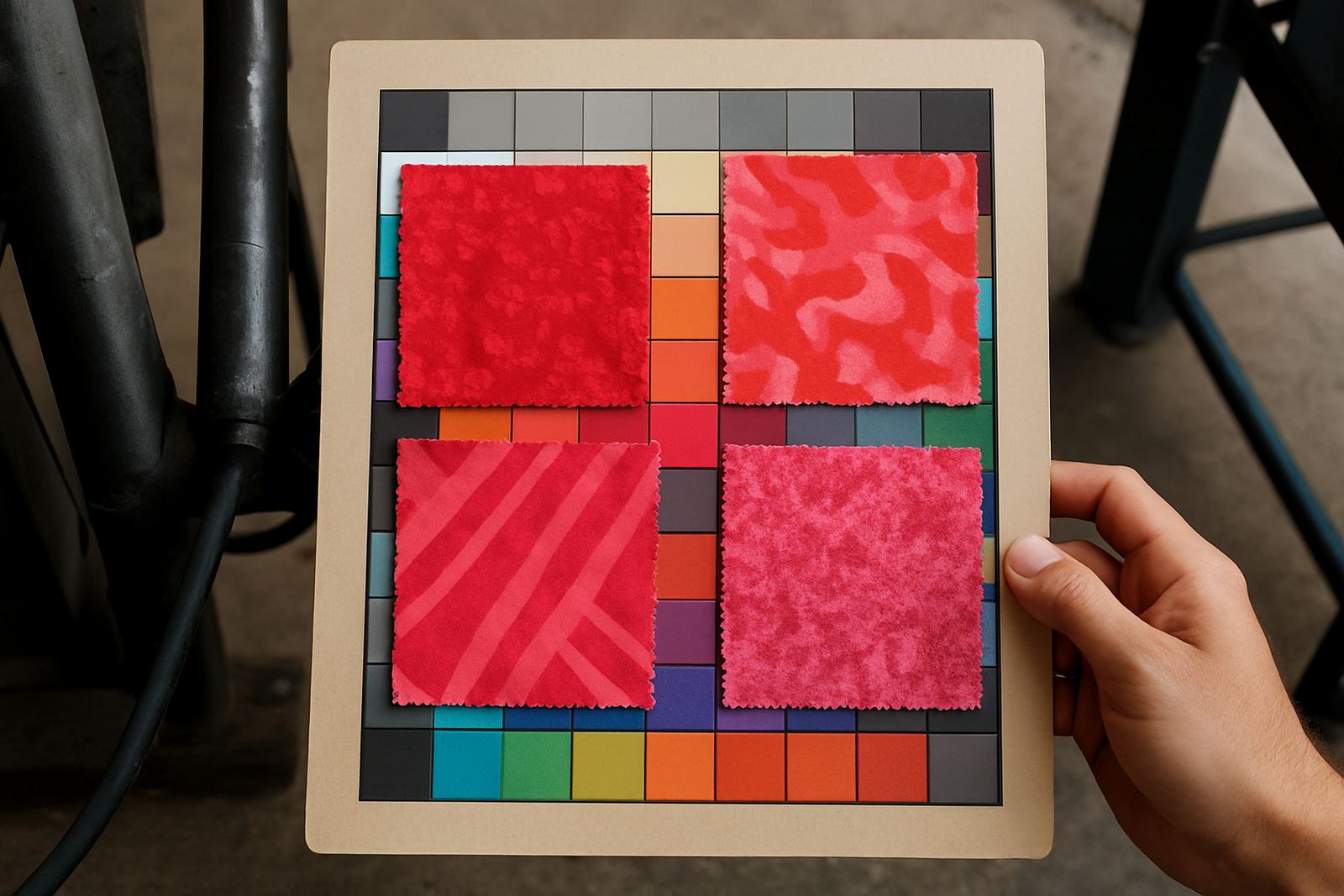
Colour matters from the first print. A new user may think all sublimation inks behave the same, but shade balance, black density and wash durability can differ from one ink choice to another. Before buying a larger quantity, run a small test on the paper and substrate you use most often. That gives you a clearer picture of the output you can expect on cotton-blend garments, polyester items or coated hard surfaces.
A good starter routine is to print a solid colour chart, a logo with fine text and one simple photograph. Then heat press it under the same time, temperature and pressure you plan to use in production. If the result looks faded, too warm or patchy, check the settings before changing your whole stock. Colour issues often come from the full process, not just teh ink itself.
- Print a colour chart and a logo sample.
- Use the same paper and press settings you will use for jobs.
- Check blacks, reds, blues and skin tones.
- Keep one sample for future comparison after cleaning or maintenance.
Plan Around Cleaning, Refills and Downtime
First-time buyers often focus on ink only, but the printer needs care as well. If the machine sits too long without use, some systems may need line cleaning or a nozzle check before production starts again. That is especially important for businesses that work around load-shedding or only print on certain days. A little planning now can save a frustrated morning later.
When choosing your first set, think about the practical extras you will need for the first month. These include refilling tools, lint-free wipes and a basic cleaning routine. If your business is in Sandton, Midrand or Roodepoort and you rely on next-day courier for replenishment, it is safer to keep at least one small reserve bottle on hand. That way a simple delay does not stop a client order.
- Keep cleaning materials ready before the first refill.
- Do a nozzle check after any long break in printing.
- Store stock away from heat and direct sunlight.
- Keep a spare set for busy weeks or courier delays.
Match Your First Order to the Type of Work You Want
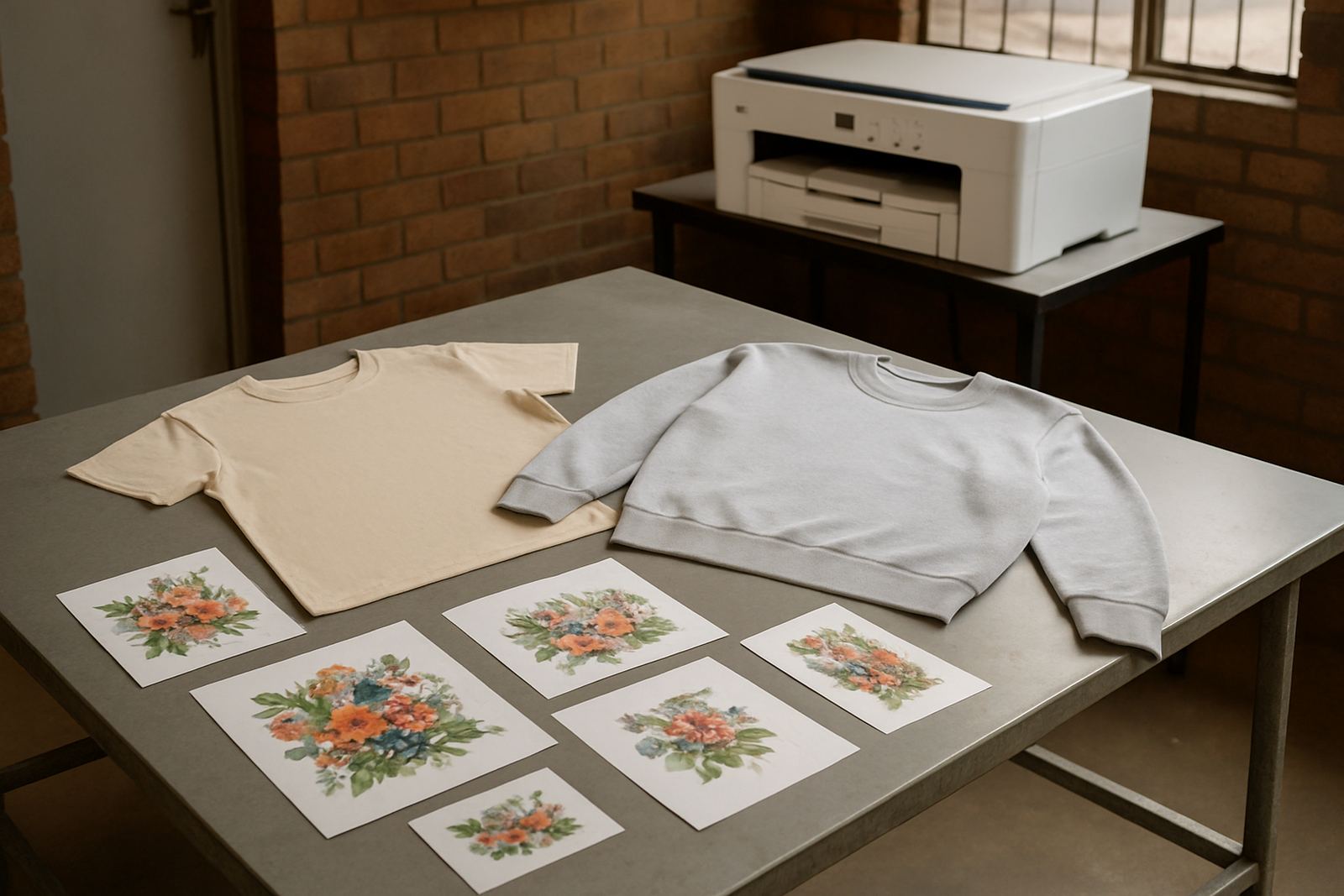
Your first ink order should reflect the jobs you plan to take on, not every possible job in the market. If you are mainly doing garment decoration, you will need enough ink for repeated transfers and sample approvals. If you also print for screen printing support work or mixed product lines, you may want to allow for more colour variation and repeat testing. Start with the jobs you can already sell confidently.
A practical checklist helps you avoid overspending and understocking at the same time. It also makes it easier to explain your needs when asking for stock planning support or compatibility checks. The clearer you are about your output, the easier it is to choose the right starter set and keep your workflow predictable.
- What are your first 3 products?
- How many prints do you expect per week?
- Do you need sample orders, bulk orders or both?
- Will you print from one machine or more than one setup?
Make Reordering Simple From Day One
Once your first set arrives, write down what you bought, how much you used and which colours moved fastest. That simple record helps you reorder before stock runs low. It also shows whether your original estimate was right or if your business needs a different mix of colours and quantities. A small habit like this can make a big difference for trade customers and startups alike.
For buyers in Kya Sand, Randburg, Pretoria and the wider Gauteng area, the aim is to keep the supply line steady without tying up too much cash in stock. If you are growing quickly, use your first month as a guide and then adjust. It is better to buy the next set with evidence than to guess and end up short during a rush order.
Keep the process straightforward: check stock weekly, note the colours that move first and place the next order before you hit empty. That gives you time for courier coordination and avoids pressure when the workshop is already busy.