Start With the Job Spec, Not the Printer
Before you load a sheet or start a roll, write down exactly what the client wants. A sample run should match the final job as closely as possible, including fabric type, garment colour, transfer size, press settings and finishing method. If the customer expects bright reds on a white poly shirt, do not test on a different cloth and hope for the best. That only creates doubt later.
Keep the order details near the press so everyone on the floor is working from the same notes. In Kya Sand and the rest of Johannesburg, many print shops run tight turnarounds, so a clear sample plan helps avoid costly back and forth when the client phones after hours or wants changes before the full run.
- Confirm artwork format and resolution
- Check the substrate composition and weight
- Note the garment or product colour
- Record the expected finish, such as matte or gloss
- Agree on how many samples the customer needs
Match the Ink, Paper and Heat Settings
Sample results change quickly when one part of the process shifts. Ink, transfer paper, temperature, dwell time and pressure all influence colour response and edge sharpness. If you want a proper comparison, lock each variable and test one change at a time. That makes it easier to see what is helping and what is not.
For smaller desktop printers, keep the nozzle check clean and the media profile stable. For wide-format work, allow enough time for the printer to warm up and for the media to sit flat, especially in humid coastal conditions or in cold, dry winter mornings inland. Power interruptions during load-shedding can also affect consistency, so note whether the printer was paused or restarted during the run.
- Use the same ink batch where possible
- Keep paper type consistent across tests
- Record temperature, pressure and press time
- Let the transfer cool or release the same way each time
- Label every sample clearly before evaluation
Test Colour Response on Real Production Material
Colour on a sample sheet is not the same as colour on the finished item. The only useful test is the one done on the actual production material. A pale polyester tee, a dark substrate with underbase, or a coated promotional item will each react differently. If the job is for a school, sports club or corporate order, make sure the sample reflects the final production mix and not a leftover offcut from another job.
Check how the colours sit after pressing and after cooling. Some shades look good immediately, then shift slightly once the item settles. If the print is going to be washed, stretched or handled often, allow enough time to see whether the colour stays true. This is where a careful sample run protects your margin, because one wrong approval can mean a whole batch of repeats.
- Test on the same fabric blend or coated surface
- Inspect bright tones, skin tones and dark areas
- Check white space, fine detail and text size
- Compare under daylight and indoor light
- Keep a reference sample from the approved run
Set Expectations Before You Show the Sample
A sample run is not only a technical check, it is also a sales tool. The customer needs to know what the final product can realistically achieve. If the artwork contains gradients, very small type or strong brand colours, explain what will and will not reproduce cleanly. Honest advice at this stage prevents complaints later and builds trust for repeat work.
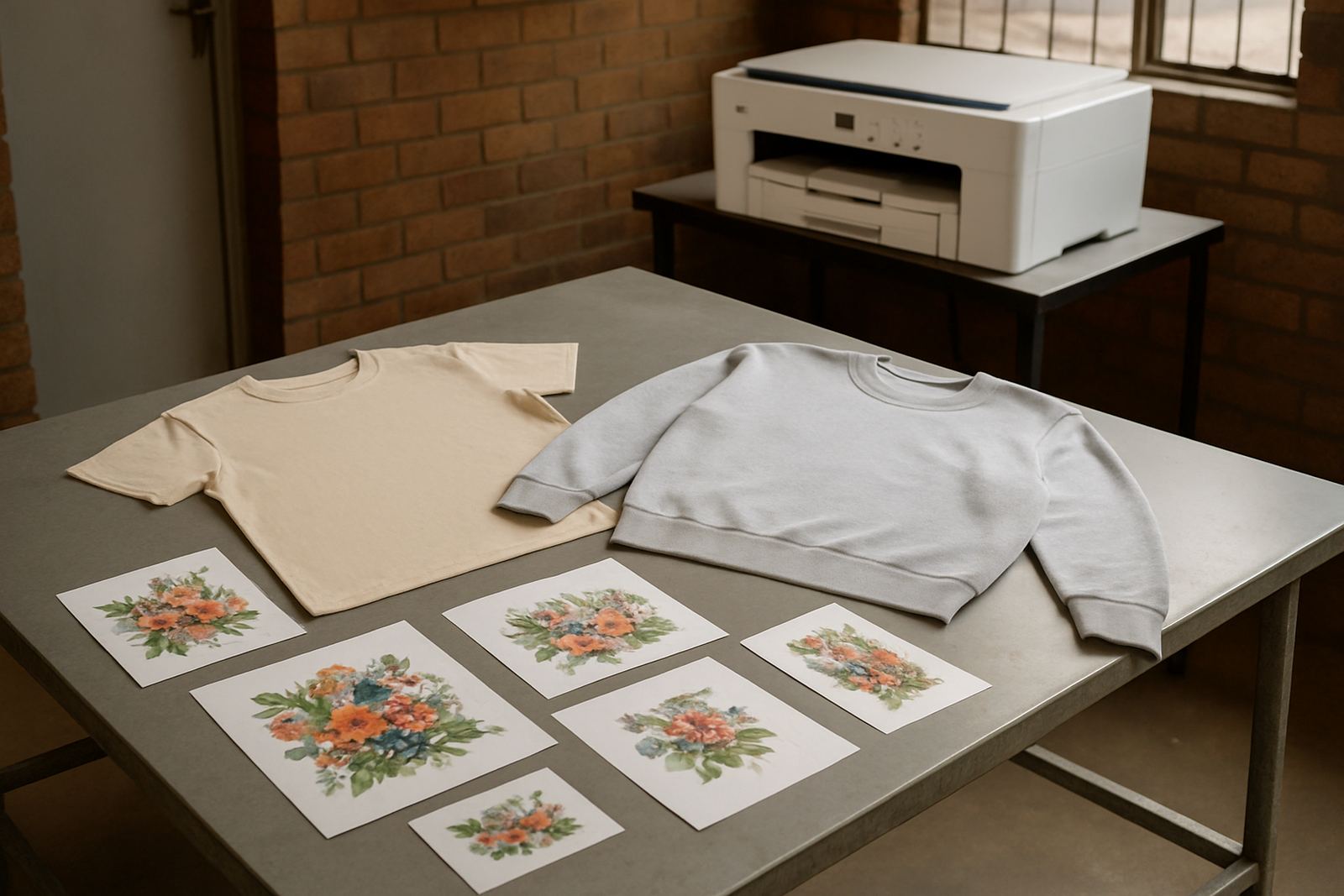
When you present the sample, show more than one option if needed. One version may be pressed slightly warmer, another may have softer colour. That gives the client a proper basis for approval instead of guessing from a single print. For trade customers, a short note on the back of each sample helps the team keep records when reordering months later.
- Explain any colour shift caused by the substrate
- Show where fine detail may soften
- State the press settings used for approval
- Keep a written note of the client’s chosen option
- File the approved sample for future repeat orders
Plan Stock, Time and Courier Before the Full Run
Once the sample is approved, move straight into stock planning. Check how much ink is left, whether you need extra paper, and if the machine will need a clean before the main batch. If the order is large or the deadline is tight, it is better to plan for backup stock than to stop mid-run and wait for supplies. That matters even more for printers serving Randburg, Roodepoort, Midrand, Sandton, Pretoria and the East Rand, where delivery windows are often narrow.
If your business relies on couriered supplies, allow for one extra day where possible. Next-day courier works well for many orders, but it is still sensible to keep enough stock for urgent reprints and sample repeats. A little buffer saves stress when a customer wants a second approval or when a line test shows the first setting needs adjustment.
- Count ink, paper and cleaning supplies before approval
- Set aside enough material for wastage and test pieces
- Allow time for machine cleaning and setup changes
- Confirm courier timing before you promise delivery dates
- Keep a spare sample for reference if the order is repeated later
Use a Simple Sample Run Checklist Every Time
Consistency comes from using the same process on every job. A short checklist keeps sample runs practical, especially when different staff members handle printing, pressing and dispatch. The more repeatable the process, the easier it is to compare one job to the next and advise the customer properly.
At Sublimation Ink, we see better outcomes when print teams treat sample work as part of production, not as a quick extra. Whether you are running a small startup shop or a busy trade operation, a disciplined sample routine makes colour control easier and reduces avoidable waste. It also helps when customers ask for the same result again months later.
- Record job name, date and operator
- Note printer type and ink used
- Write down press temperature, time and pressure
- Save the approved sample with job notes
- Review the result before releasing the full batch
When to Ask for Help With a Difficult Sample
Some sample runs need extra support, especially when the colours are not behaving as expected or the customer wants a very specific finish. If you are seeing banding, dull output, unstable colour or repeat cleaning issues, stop and check the whole setup before committing to a full order. It is better to solve the problem on five samples than on five hundred finished items.
Our team in Kya Sand, Johannesburg assists trade customers with ink selection, compatibility checks, colour troubleshooting, refill guidance and line cleaning advice. That is useful when you are testing a new substrate, planning a larger order or trying to match a previous run more closely. Good sample planning is part technical, part discipline, and it pays off on every job.
- Ask for help if colours are inconsistent between samples
- Check whether the substrate needs a different setting
- Review cleaning and maintenance if output drops
- Confirm compatibility before you order bulk stock
- Use sample feedback to set the final production method