Project brief from a Soweto apparel buyer
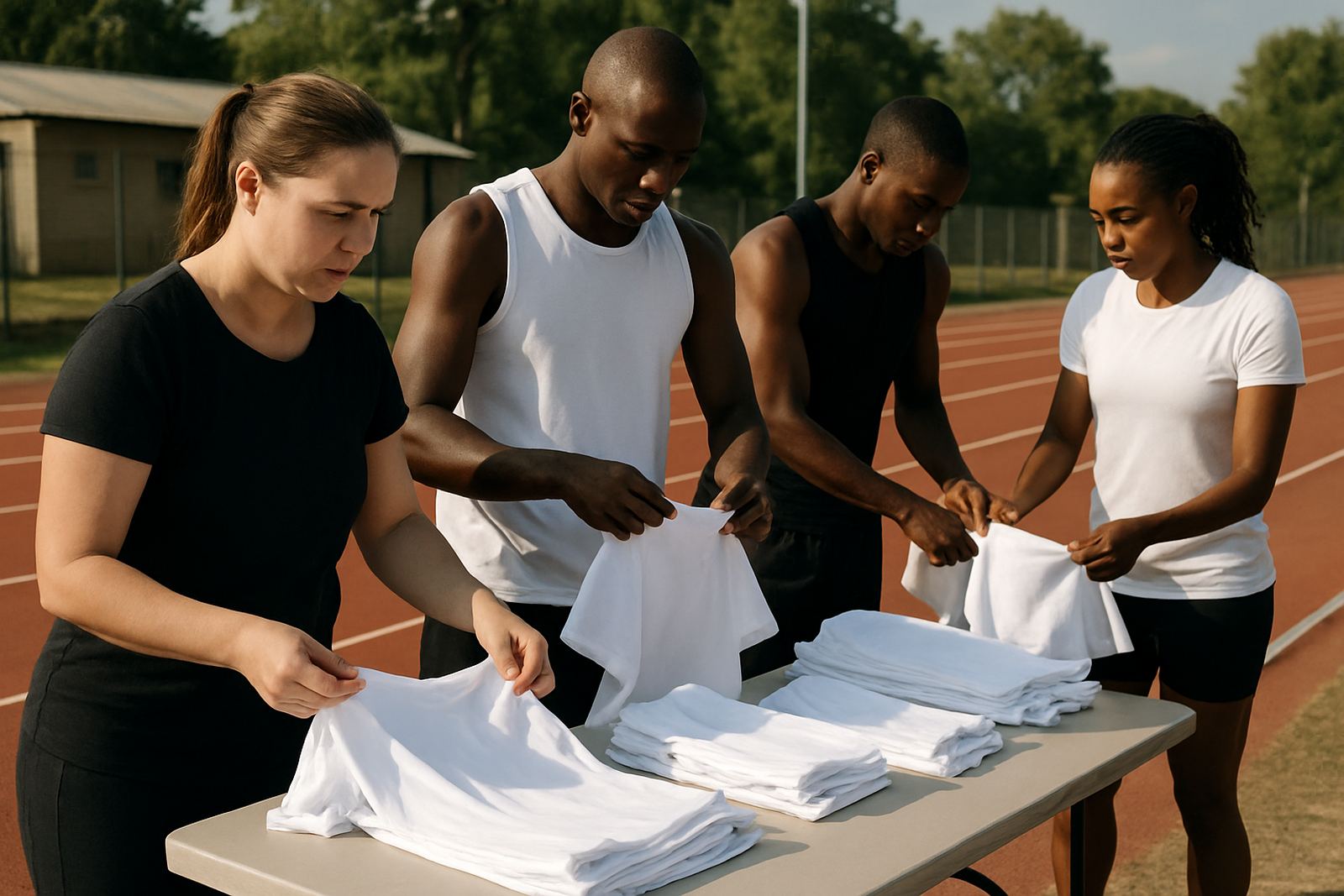
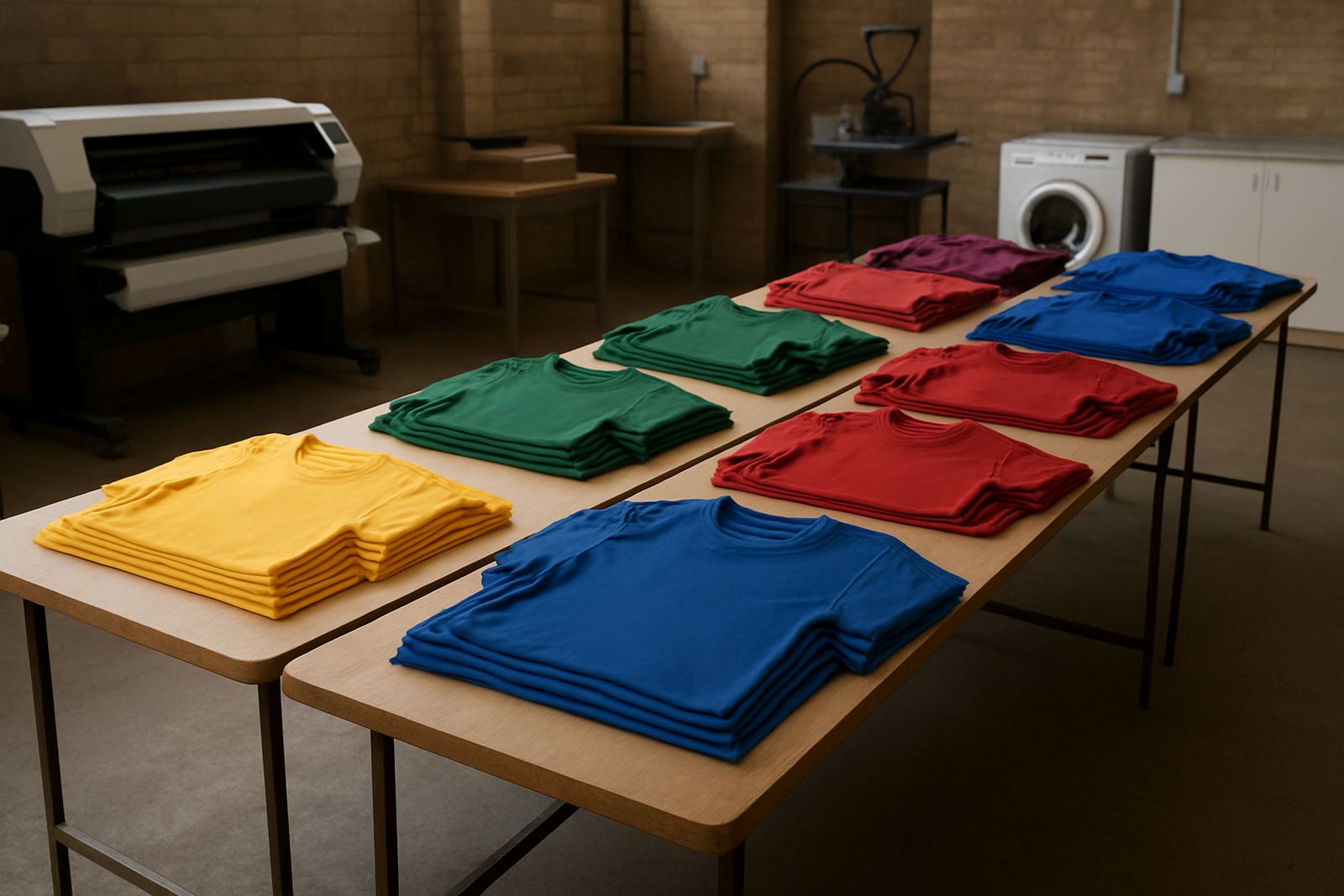
The client was a schoolwear and team apparel buyer in Soweto handling a mixed order for learners and staff. The brief was straightforward on paper but tight in practice: keep the house colours steady across multiple garment sizes, make sure the prints held their tone after washing, and keep the production line moving without delays.
They were working with a busy term timetable and a fixed delivery date, so there was no room for trial and error on the press side. The order included a mix of smaller and larger garments, with print placement needing to stay clean and repeatable across different cuts. In jobs like this, one weak batch of ink can throw the whole run off, especially when colours must match from one size to the next.
The client also asked for advice that could be used by their print operator on site, because they were balancing production with normal school order pressure and supply interruptions. Load-shedding, short turnaround times and the usual Gauteng courier lead times all had to be factored into the plan.
What made the order difficult
The main challenge was colour control. School apparel usually depends on clear brand or house colours, and even a small shift in shade can make the batch look uneven. On a run like this, the first few garments often look fine, then later pieces start showing a slight change if the ink flow, heat or cleaning cycle is not managed properly.
There were also practical limits on storage and scheduling. The buyer did not want to hold too much stock, but they also could not afford to run out halfway through the job. A few cartons missing on a Monday can push a finish date into the next week, which is a problem when uniforms need to go out before assembly or sport day. The site in Soweto was also dealing with normal workshop conditions, so dust control and line cleaning mattered more than usual.
- Consistent colour across multiple garment sizes
- Reliable ink flow during longer print sessions
- Enough stock on hand for the full run
- Clear guidance for setup, cleaning and refill handling
- Fast courier movement from Johannesburg to the client
Ink selection and print support supplied
We worked from the garment type, the print method and the finish the client wanted. The order called for high-density colour with good wash durability, so the ink choice had to support strong saturation without causing clogging during repeated use. Our technical lead checked compatibility against the printer type and the intended transfer process, then we helped the client settle on the most suitable ink set for the run.
We also gave refill guidance and line cleaning advice before the job started. That meant checking the print heads, making sure the lines were clear and confirming the startup sequence after any downtime. In one part of the process, the client had to pause due to power cuts, so we set out a restart routine that reduced the risk of banding or colour drift. It sounds simple but it saves a lot of wasted transfers.
For the order itself, we supplied a coordinated batch plan, stock planning advice and courier coordination out of Kya Sand, Johannesburg. The client received enough ink for the full print run with a little buffer for test sheets and final touch-ups, which gave them breathing room when the schedule shifted.
- Ink selection help matched to the printer setup
- Compatibility check before the full run
- Colour troubleshooting during the first samples
- Refill guidance for the operator on site
- Courier coordination from Johannesburg to Soweto
Timeline and delivery flow
The work ran over a short three week timeline. Week one covered the brief, compatibility checking and colour review. Week two was used for stock preparation, packing and confirming the order quantities. Week three covered dispatch, delivery and final support while the client moved through the print run.
Because the client needed to stay on schedule, we kept communication practical and direct. The warehouse team packed the order carefully, the logistics side lined up the courier movement, and the support team stayed available for follow-up questions once production started. The process was not complicated, just disciplined, and that is usually what keeps a school order on track.
We also made sure the client understood which items to keep aside for test output before they moved into the full batch. That small step reduced waste and helped them confirm the colour before committing the entire order. The result was less rework and a steadier finish across the garments.
Results on the finished garments
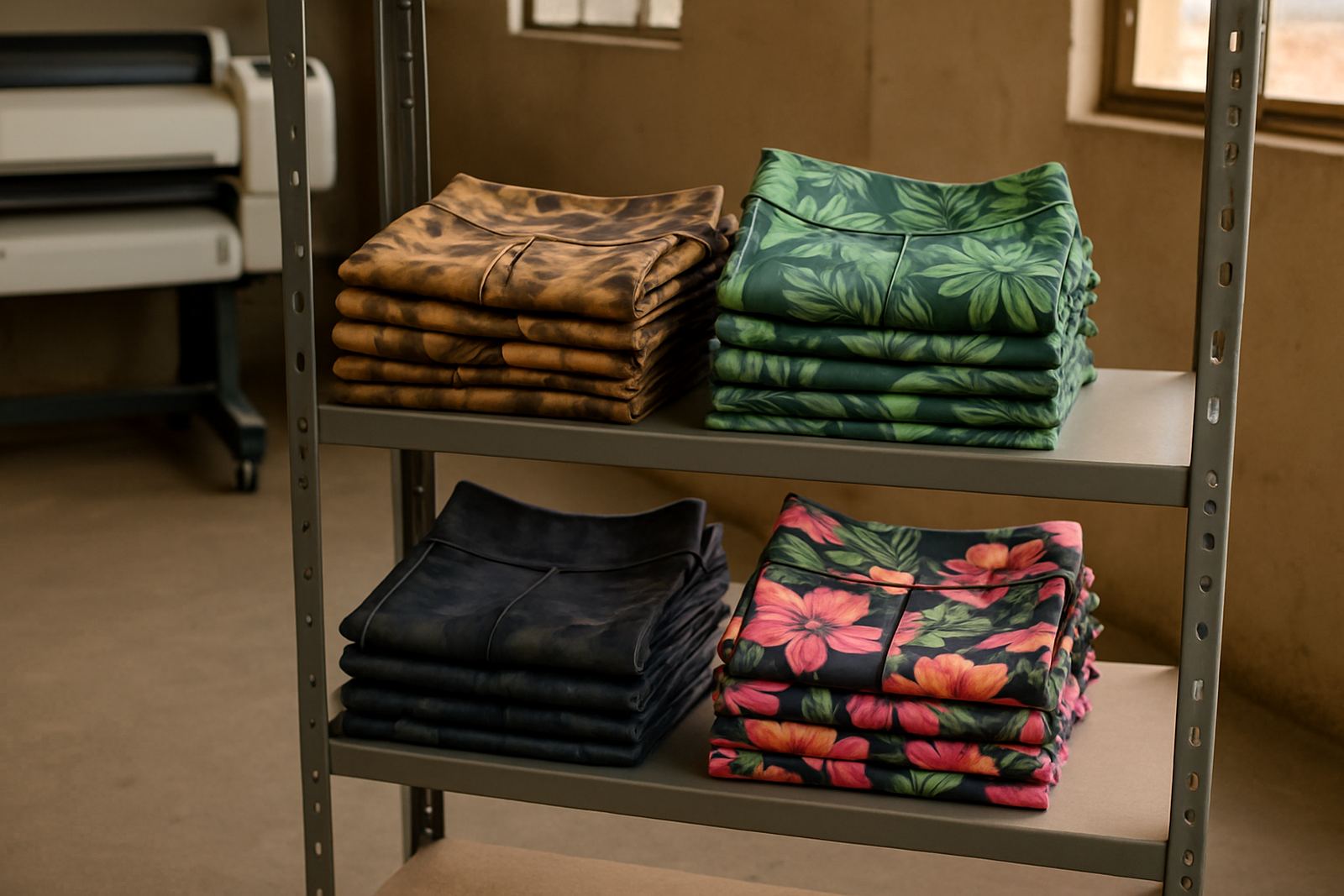
The final output was consistent across the range of garment sizes, with the school house colours staying within the expected shade from start to finish. The client reported that the prints held well after washing tests and the transfers kept their colour without obvious fading or patchiness. That matters on schoolwear, because garments get worn often and washed hard, not treated lightly.
From a production point of view, the job stayed manageable because the client had the right ink quantity on hand and clear handling notes for the printer. There were no major stops for blocked lines or repeat colour corrections. The order also moved cleanly through courier and local delivery, which helped the buyer meet their distribution date in Soweto.
The best result was probably the simplest one: the house colours looked the same on small and large pieces, and the school team did not have to explain why one size looked different from another. In bulk apparel work, that kind of consistency is what people remember.
- Steady colour across the full size range
- Good wash durability on school garments
- Less waste from failed test prints
- Cleaner production flow during the order
What we would repeat on the next school run
If we were handling this same type of order again, we would keep the same approach: check compatibility early, confirm the colour target before the full run and hold a sensible buffer of stock for test output and unexpected reprints. For school orders, that buffer is often the difference between a calm week and a rushed one.
We would also repeat the line cleaning and refill guidance before the print session starts, not after problems appear. When the operator has clear steps from the beginning, the whole process runs better. A small amount of planning goes a long way, especially when the job has to work around load-shedding and tight collection dates.
For clients in Johannesburg, Soweto, Randburg, Roodepoort, Midrand, Sandton, Pretoria or the East Rand, the same method applies: get the spec right, confirm the ink match and then protect the colour through the full batch. That is how a school apparel order stays consistent and on time.
Key facts
| Client type | School apparel buyer in Soweto |
|---|---|
| Project | House-colour matching for mixed-size garment order |
| Location | Soweto, Gauteng |
| Timeline | 3 weeks from brief to delivery support |
| Supply base | Kya Sand, Johannesburg |
| Support provided | Ink selection, compatibility check, colour troubleshooting, courier coordination |