What Our Line Cleaning Advice Covers
Our line cleaning advice is for businesses using sublimation ink in desktop and wide-format printers where colour output has dropped, bands are showing, or one channel is weaker than the others. We help you work through the cleaning steps without wasting ink or risking damage to the print head and dampers. It is practical support for shops in Johannesburg, Randburg, Midrand, Pretoria and beyond, especially when load-shedding, dusty work areas, or long idle periods have affected the machine.
The guidance covers the full ink path, from bottle or cartridge through tubing, dampers, and the head itself. We also advise when a simple purge is enough and when a deeper clean is needed. If your printer has been sitting for more than 7 days, or if you see colour drop on one side of the print, line cleaning may be the right next step.
- Ink flow checks and blockage signs
- Channel-by-channel cleaning guidance
- Advice for lightly blocked and heavily blocked lines
- Suggestions for safe re-priming after cleaning
- Practical notes for small shops and busy production lines
How the Cleaning Process Is Guided
We do not send out vague instructions. We talk you through the process in a step-by-step way so your team knows what to do first and what to avoid. The aim is to restore consistent ink flow while keeping waste down, especially if you run frequent jobs for garment decoration or screen-printing work.
Typical guidance includes checking ink levels, confirming the correct ink has been loaded, inspecting for air in the lines, and running a controlled flush if needed. Where the printer has been affected by dust or heat, we may also advise a nozzle check before and after cleaning so you can see whether the blockage has cleared. In most cases the work can be done on site by your own operator once the steps are explained clearly.
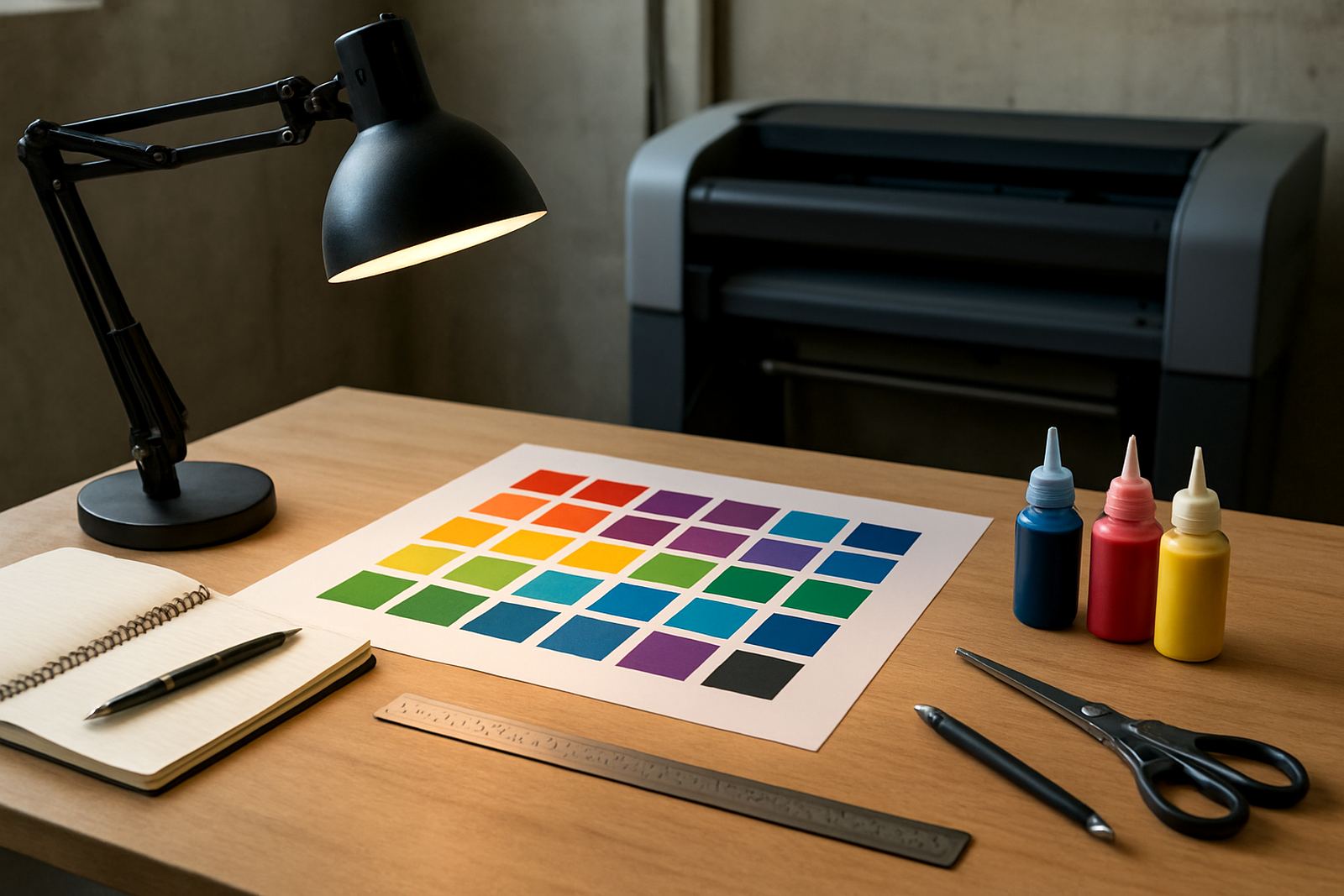
- Initial output check and nozzle test
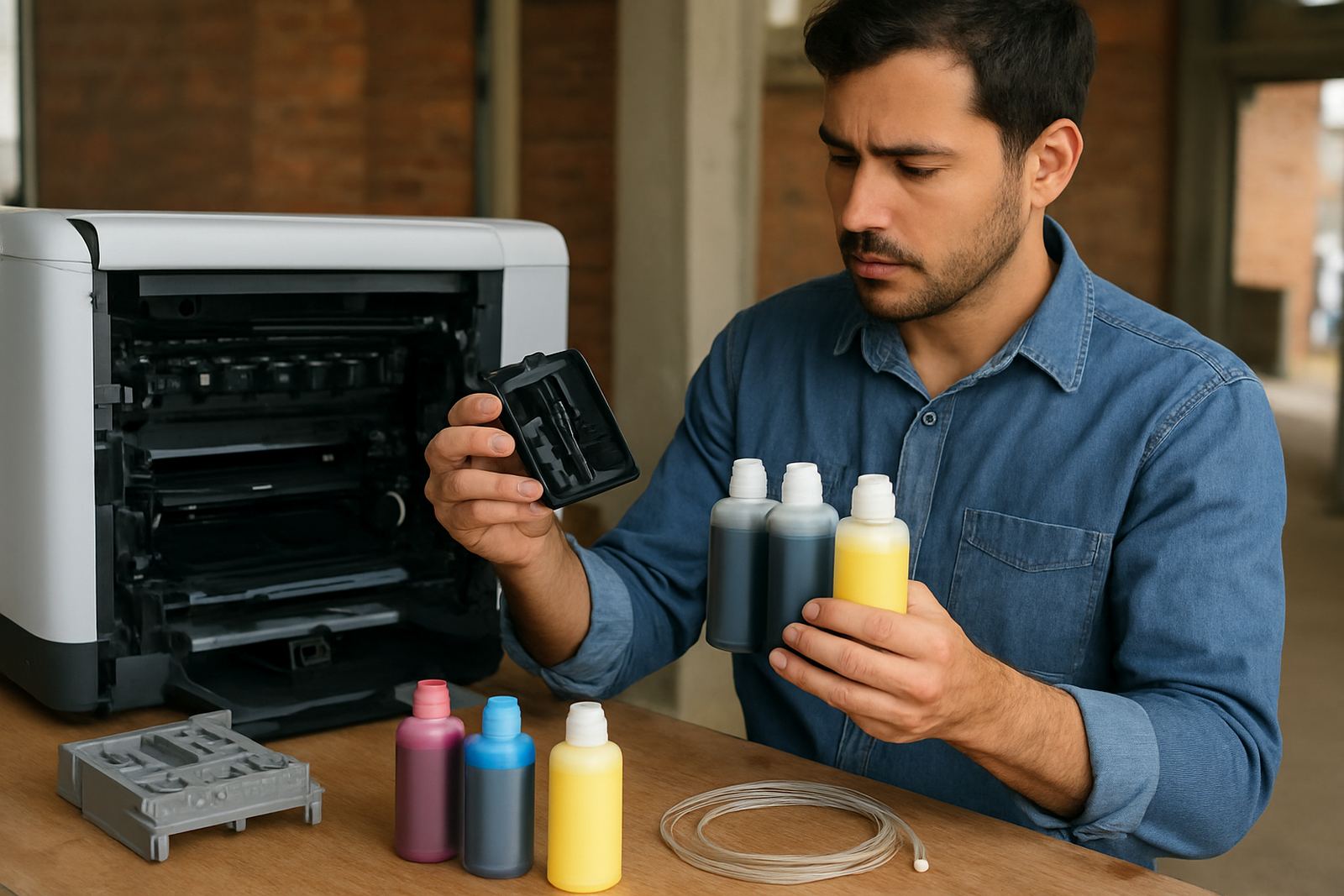
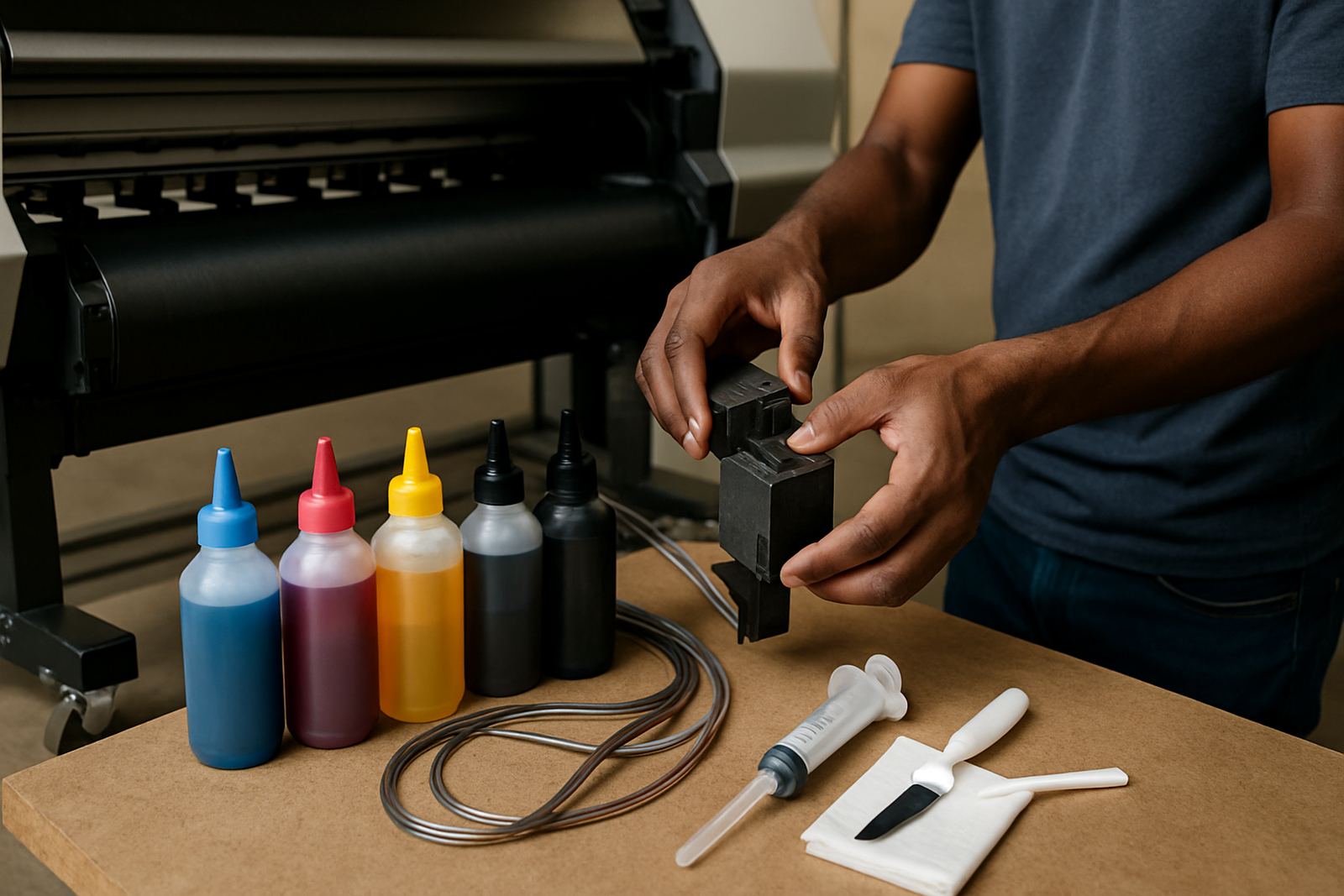
- Inspection of tubing, dampers, and cartridges
- Controlled cleaning or flush procedure
- Re-priming and test print after the clean
- Follow-up advice if the same channel stays weak
Turnaround For Support And Courier Follow-Up
For most enquiries, we respond quickly through the contact form and give practical direction on the same working day where possible. If a couriered sample, replacement ink, or follow-up supply is needed, we can help with next-day courier dispatch nationwide from our Kya Sand base, subject to stock and collection cut-off times.
Businesses in Gauteng often need fast action because downtime hits orders and turnarounds. If your line cleaning issue needs fresh ink, a sample pack, or a stock top-up after the clean, we can coordinate that while you keep production moving. Our team in Johannesburg handles the support process with care, and for urgent cases we will let you know if the issue points to maintenance, consumables, or a larger printer fault.
- Same-day response where possible on working days
- Next-day courier for eligible orders nationwide
- Local support for Johannesburg, Randburg, Roodepoort and nearby areas
- Clear advice on what to check before a technician is called
Pricing Approach For Line Cleaning Advice
We keep the pricing approach straightforward. The charge depends on the level of guidance needed, whether the issue is a simple clog, a recurring flow problem, or a broader ink compatibility concern. If you only need advice on a basic clean, the cost is modest. If there is a repeat blockage, multiple channels affected, or a need for stock planning around regular maintenance, we quote according to the time and support involved.
For trade customers, the focus is on keeping printers productive and avoiding unnecessary ink loss. We also look at the total cost of downtime, not just the cleaning step itself. A proper clean done early can save a lot more than waiting until the head is badly affected, which is why many clients call as soon as output starts to soften rather than after a full failure.
- Simple advice for light blockage
- Quoted support for repeat or multi-channel issues
- Trade pricing for regular customers and bulk users
- Costing based on support time and supply needs
Recommended Maintenance Intervals
How often you should clean the lines depends on use, room conditions and how long the printer sits idle. In a busy shop, a light check every 1 to 2 weeks is usually enough. If the printer is used less often, or if the area is dusty or hot, you may need to inspect the lines more often. Coastal humidity can also affect storage and ink behaviour, while inland winter dryness can change how a machine behaves after standing overnight.
As a guide, we suggest a quick nozzle check every 5 to 7 printing days for active machines, and a deeper line check if the printer has not run for 7 to 14 days. After load-shedding, it is wise to inspect the system before a rush job, especially if the machine was left off mid-cycle. Regular checking helps keep colour stable and reduces the chance of a hard blockage.
- Active printers: check every 5 to 7 printing days
- Occasional-use printers: inspect after 7 to 14 idle days
- After load-shedding: run a quick output test before production
- Dusty or hot rooms: monitor more often
Why South African Print Shops Ask Us First
Many local businesses want advice that fits the real conditions they work in. A shop in Kya Sand has different issues to a coastal print room in Durban or a small production space in Pretoria. Our support is practical, based on what actually happens with sublimation ink in local environments, not a generic checklist. We work with startup operators, established trade customers, and busy production teams that need clear answers fast.
Whether you are managing garment decoration orders, screen printing support work, or a mixed print operation, line cleaning is one of those tasks that can save a machine if handled in time. If your output has dropped and you are not sure whether the problem is the ink, the lines, or the head, we can help you work it out before the issue grows. That kind of early check makes a real difference, and keeps the line moving.
- Advice shaped for South African print conditions
- Support for startup and trade customers
- Practical help before small faults become major stoppages
Key facts
| Service name | Line Cleaning Advice |
|---|---|
| Base | Kya Sand, Johannesburg |
| Coverage | Johannesburg, Gauteng and nationwide courier support |
| Typical response | Same working day where possible |
| Recommended check interval | Every 5 to 7 printing days for active machines |
| Use case | Sublimation ink line blockage, weak colour output and flow recovery |