What Refill Guidance Covers for Your Print Room
Our refill guidance service is for businesses that top up sublimation inks in desktop and wide-format printers and want fewer spillages, less contamination and more consistent output. We help you choose the right ink pack size, confirm the printer family, and set a refill routine that suits your workload whether you are doing garment decoration, transfer work or mixed production.
In a busy shop, the small details matter. A bottle that opens cleanly, a funnel that fits properly and a refill sequence that avoids air entering the line can save a lot of grief later. We also help with practical points such as room temperature, dust control and how often to inspect tanks, dampers and capping stations. That is especially useful in Johannesburg and other inland areas where dust and power interruptions can interrupt normal production.
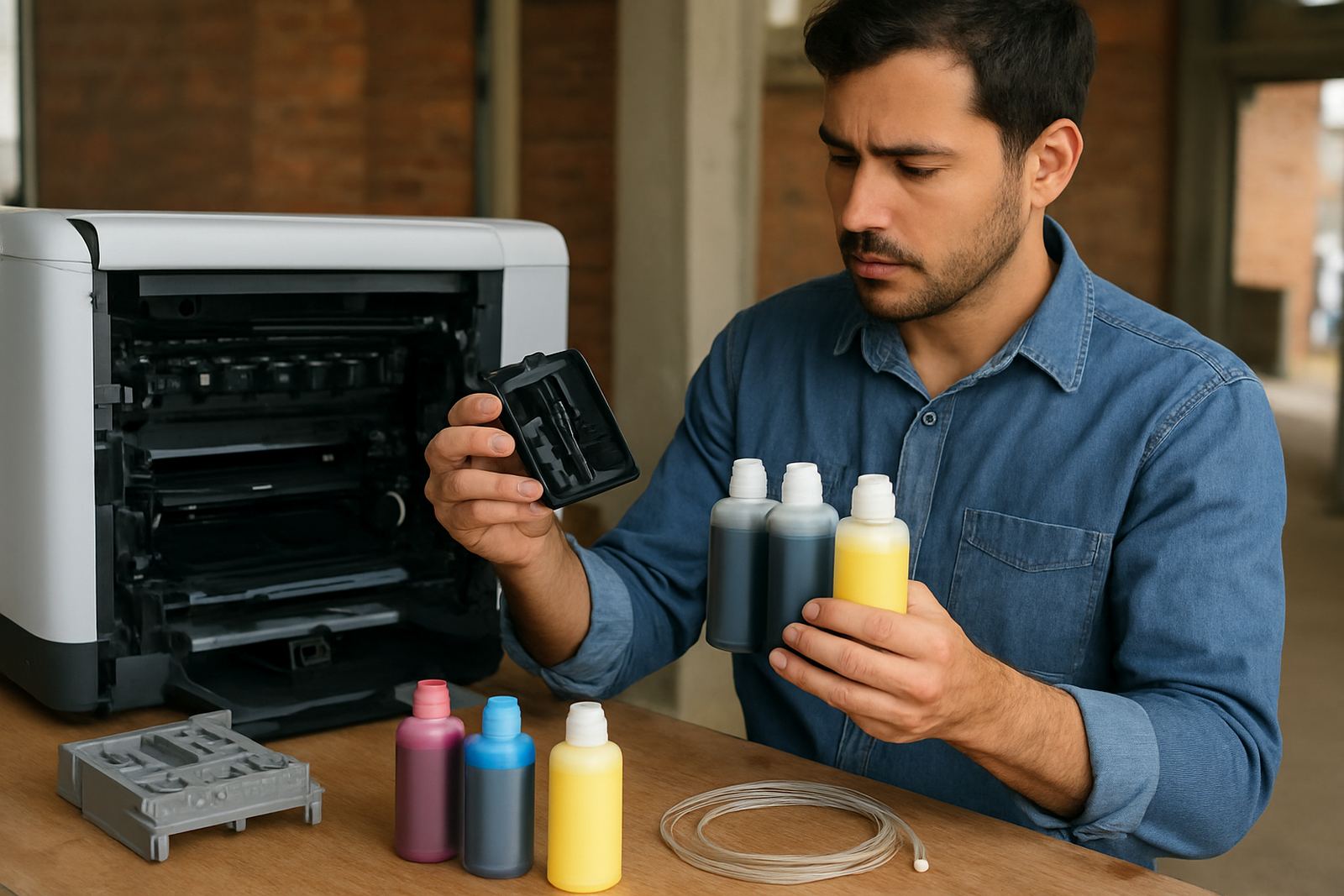
- Compatibility checks for desktop and wide-format printer setups
- Top-up planning for small, medium and bulk usage
- Spill control tips for cleaner tank filling
- Ink storage advice for hot summers and humid coastal conditions
- Guidance on reducing downtime during changeovers
How We Guide the Refill Process
The process starts with a quick check of the printer model, current ink type and the way you use the machine day to day. We then confirm whether the refill is for routine top-up, a full colour change, or a recovery after a line issue. If needed, we also advise on whether the printer should be left idle, flushed or serviced before new ink goes in. The aim is to prevent mixing problems and keep the print path stable.
For customers who collect or receive courier stock from Kya Sand, we can guide the refill workflow around delivery timing so you do not run low half way through a run. We also help identify when a refill is the right fix and when the issue may actually be air in the system, dried heads or poor storage. That kind of call saves time and ink.
- Step 1: Confirm printer type, ink series and current fill level
- Step 2: Check for contamination, sediment or mixed stock
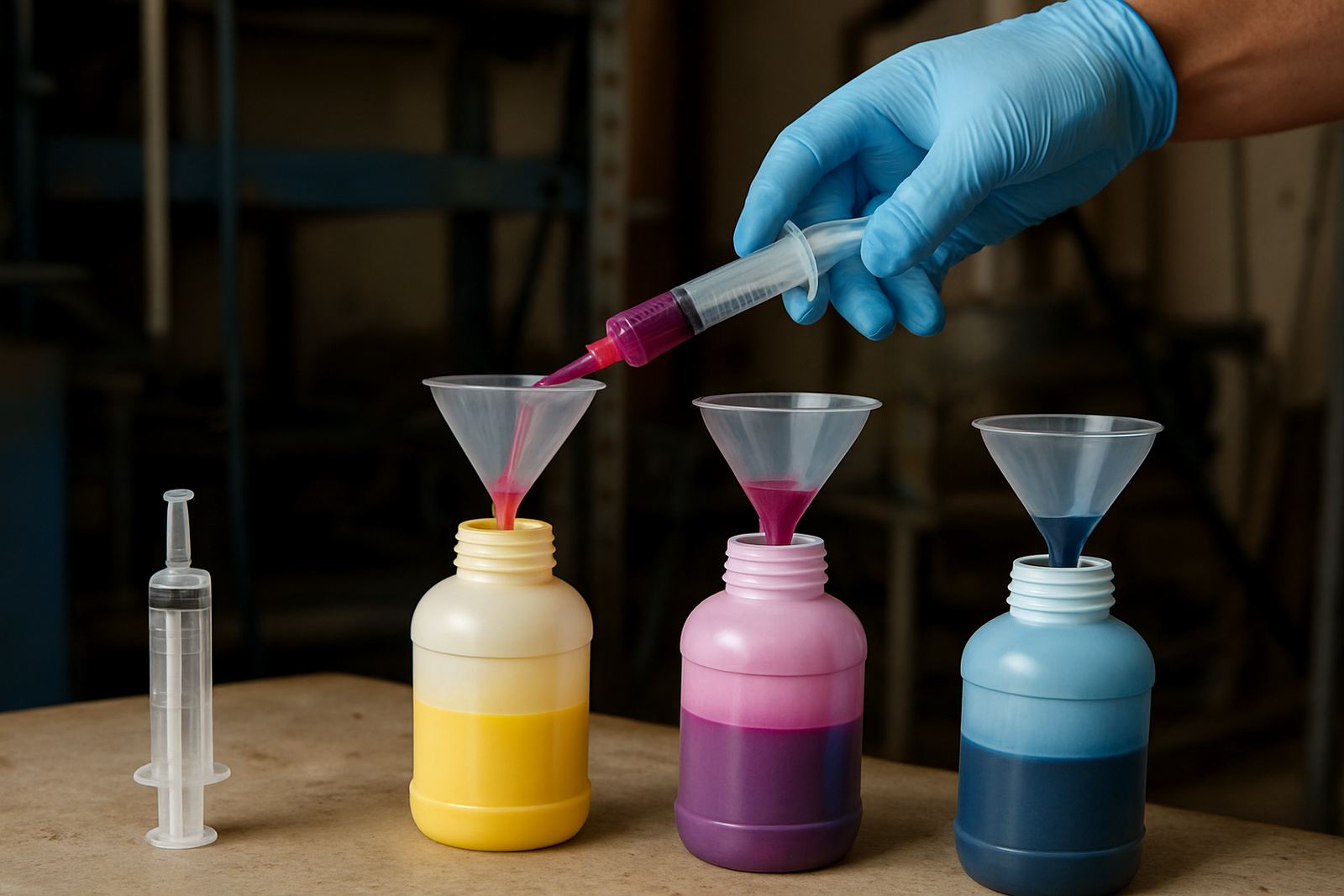
- Step 3: Prepare clean tools, gloves and sealed waste containers
- Step 4: Refill slowly to the correct mark and avoid overfilling
- Step 5: Run a test print and check colour balance and line quality
What You Get With Each Refill Support Request
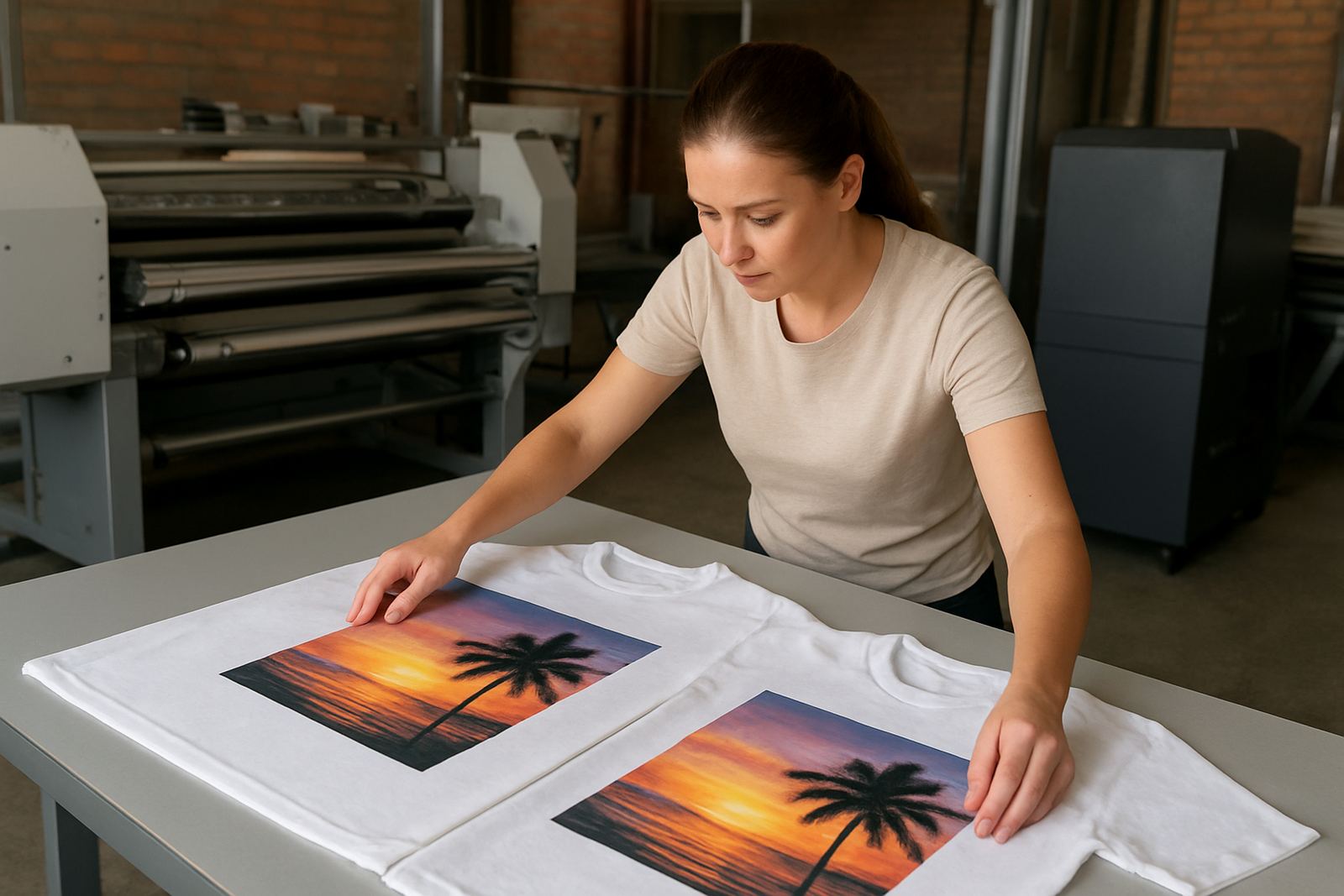
Refill guidance is not just about pouring ink into a tank. We focus on what keeps the printer productive after the top-up. That includes advice on nozzle checks, purge frequency, line cleaning and how to spot early signs of a blockage. If your work includes garment prints, we will also advise on colour consistency between batches so you can keep repeat jobs matching closely.
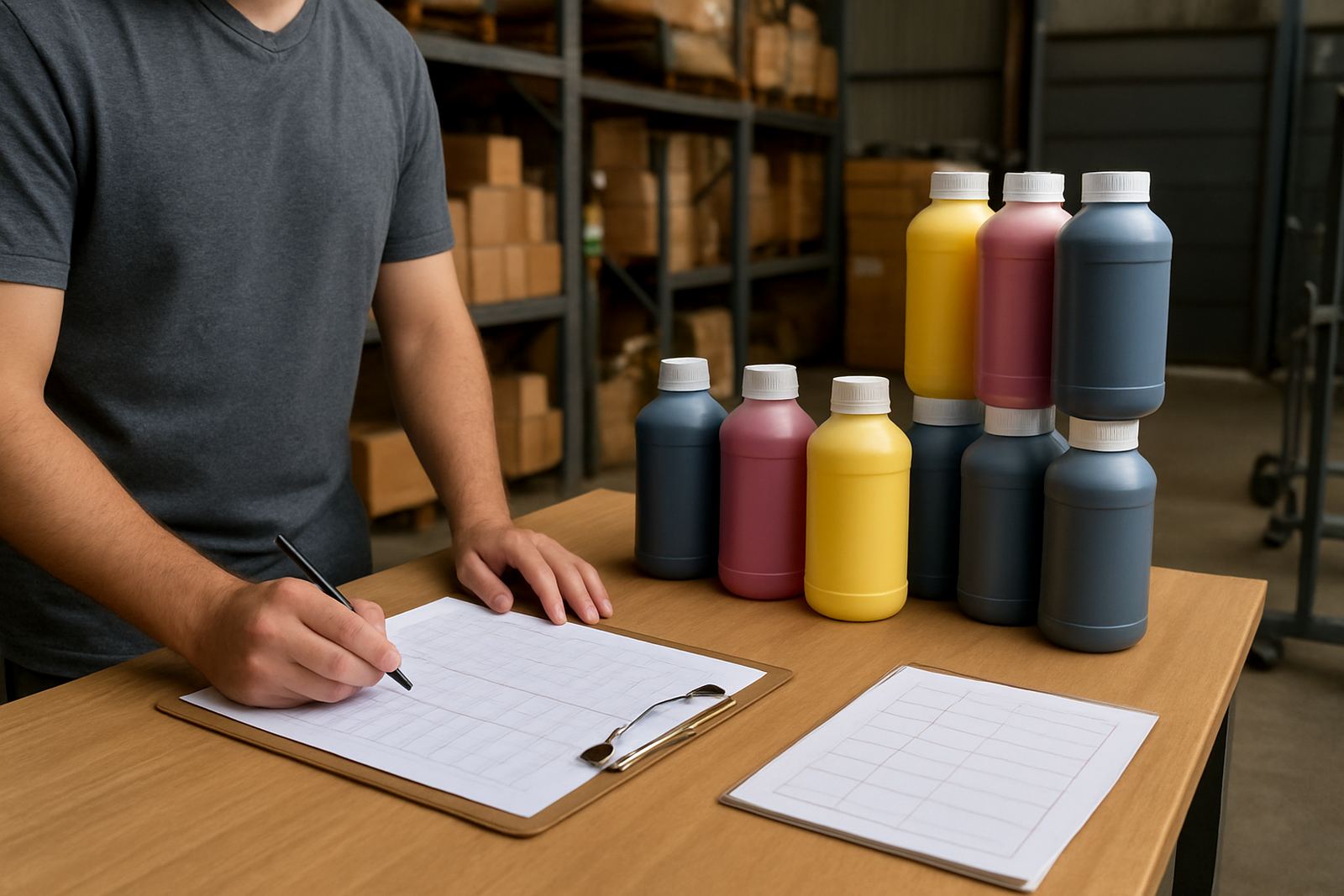
For trade customers, we can help with stock planning too. If you know your average monthly usage, we can suggest a sensible refill frequency and packing mix so you are not ordering too late. This is useful for businesses in Sandton, Midrand, Roodepoort and Pretoria that run tight production schedules and cannot afford to wait for emergency stock.
- Printer-specific refill guidance for the unit in use
- Advice on clean handling and contamination control
- Colour consistency checks after refill
- Support with stock planning for repeat orders
- Help identifying when downtime is caused by refill issues
Turnaround for Advice and Courier Orders
Most refill guidance requests are handled quickly once we have the printer details and the issue you are facing. If you are collecting in Kya Sand, turnaround can be same day depending on stock and the time your enquiry comes through. For couriered orders, next-day delivery is often possible to major routes, with national dispatch arranged for businesses across South Africa.
If you are planning a production run, it is best to ask for refill guidance before you run the tanks too low. That lets us help you avoid rushed top-ups, which are a common cause of air locks and messy spills. In summer, we also advise keeping bottles sealed and out of direct sun. In coastal towns, humidity can affect storage areas, so the packing and opening routine matters more than many shops realise.
Where needed, we can recommend a maintenance interval based on usage. A busy print room may need checks every week, while lighter users may only need scheduled inspections every few weeks. That depends on the number of prints, the environment and how often the printer is switched off during load-shedding.
Pricing Approach That Suits Small Shops and Trade Accounts
Our pricing approach is kept straightforward. Refill guidance itself is generally handled as part of customer support, while consumables, courier costs and bulk supply are quoted according to the ink type and order size. If you are buying regularly, we can discuss trade-friendly options that make planning easier and reduce the risk of paying for emergency stock at the wrong time.
Because different printers use different fill volumes and bottle sizes, we prefer to quote based on the actual setup rather than forcing a one-size-fits-all package. That means you get advice that matches your production line, not a generic answer. If you need sample quantities before a larger order, we can assist with that too, so you can test fit, flow and colour before committing to a bigger run.
- Advice based on your printer model and usage rate
- Stock and courier costs quoted separately where needed
- Bulk order support for higher monthly consumption
- Sample order assistance for testing before scaling up
Maintenance Intervals That Keep Refill Work Clean
Good refill habits start with regular maintenance. Tanks, caps, hoses and the surrounding area should be checked on a set schedule so dried residue does not build up and cause contamination. We normally suggest a quick visual inspection before each refill, a more detailed line check weekly for active production, and a deeper clean at longer intervals depending on throughput.
For printers that run every day, a short maintenance routine after load-shedding or after a long idle period is sensible. That can include a nozzle check, inspection of the fill ports, and a look at any signs of thickened ink near the inlet. If the machine sits unused for a while, it is better to check it before production starts again rather than after a line blocks. A little routine work now saves a lot of mess later.
- Before each refill: check seals, ports and bottle cleanliness
- Weekly for active use: test print, inspect flow and watch colour drift
- After long idle periods: confirm line condition before full production
- At any sign of contamination: stop and clean before refilling again
Key facts
| Service area | Kya Sand, Johannesburg base with nationwide courier support |
|---|---|
| Printer types | Desktop and wide-format sublimation printers |
| Typical use cases | Garment decoration, screen printing, transfer work |
| Turnaround | Same day in Kya Sand when stock allows, next-day courier on many routes |
| Support included | Compatibility checks, refill steps, colour troubleshooting, stock planning |
| Maintenance guidance | Weekly to monthly checks depending on print volume and idle time |