Why Many Shops Use Both Methods
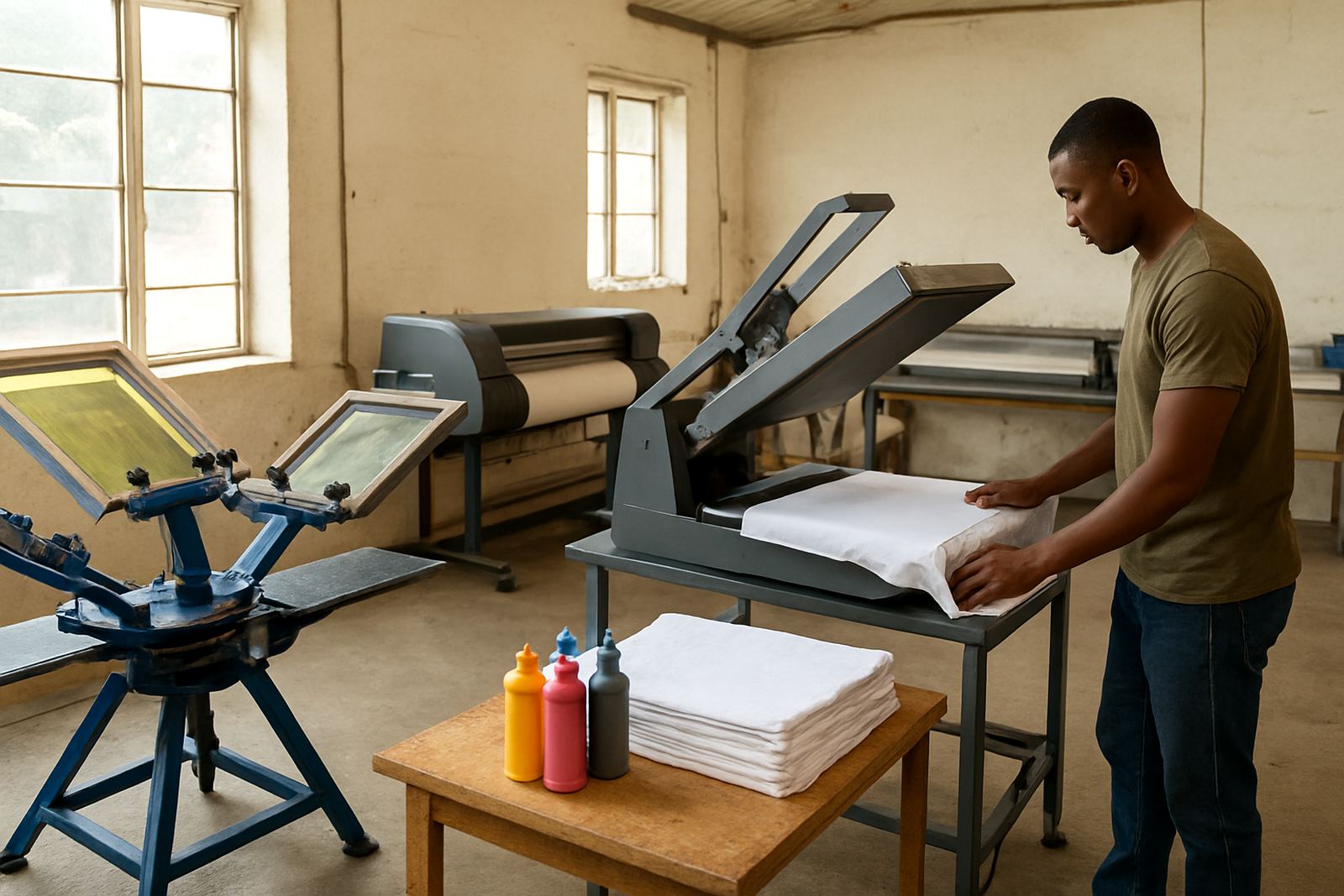
Screen printing and sublimation are often treated as separate lines, but in day to day work they can support each other well. A shop in Johannesburg might print cotton T-shirts for a school run, then switch to polyester sportswear, mugs or promotional items for a different client the next hour. That mix helps keep the machines busy and gives customers more options without sending work out.
The practical advantage is simple: screen printing is strong for bulk runs and special spot colours, while sublimation suits bright full-colour work on compatible substrates. If your customer base includes sports clubs, corporate gifting, school events and garment decorators, carrying both options can make quoting easier and improve turnaround times. It also lets you advise clients properly instead of forcing every job into one process.
For businesses in Kya Sand, Randburg, Roodepoort and Midrand, the issue is not theory, it is stock control and timing. If your inks arrive on time and stay consistent, you can plan jobs more accurately and avoid last minute changes when a municipal event, weekend market or team order comes in.
Where Sublimation Fits Best In A Print Mix
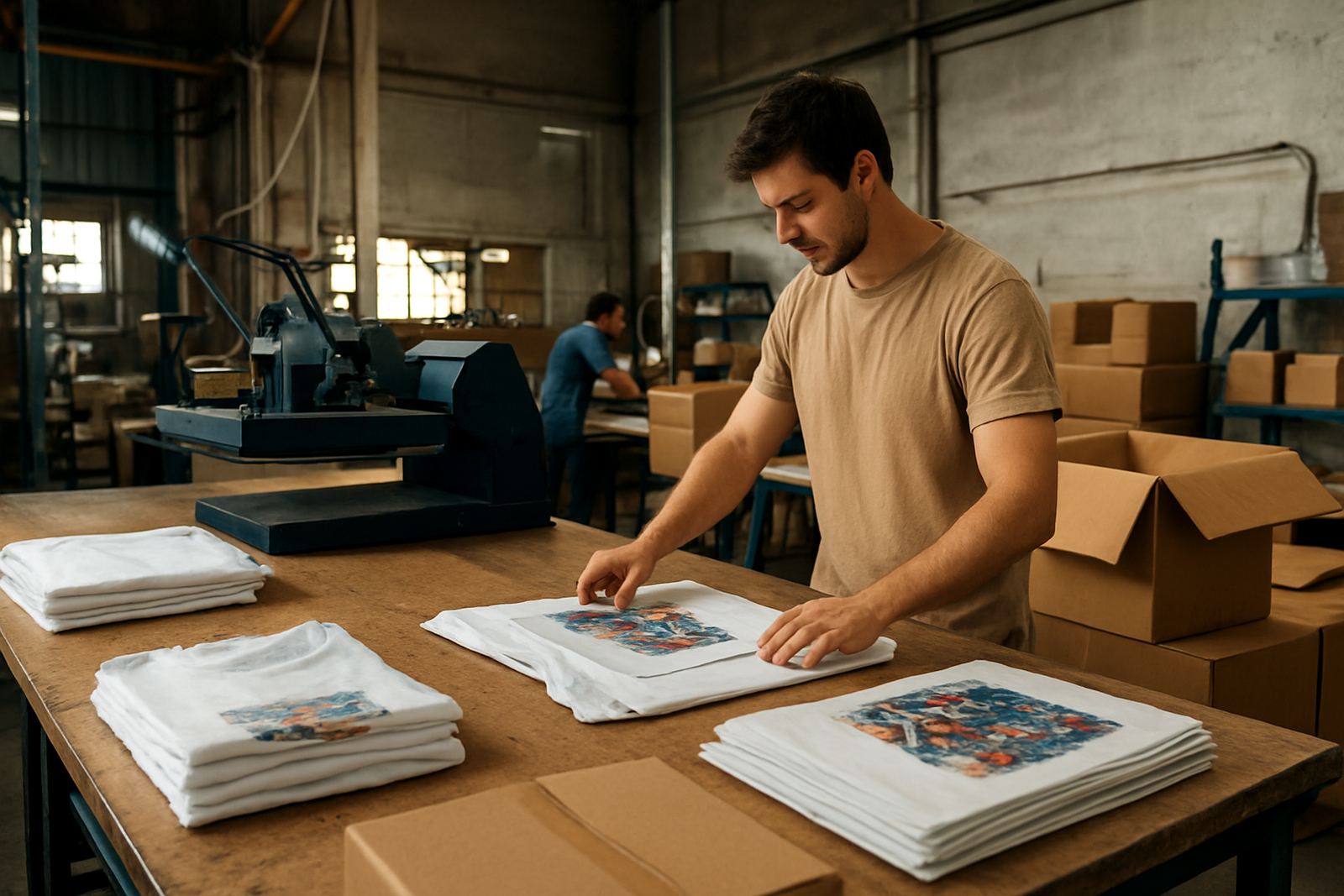
Sublimation is useful when the job calls for bright colour, fine detail and a smooth finish. It is commonly used on polyester garments, sportswear panels, branded gifts and promotional products that can handle the heat transfer process. The ink becomes part of the surface, so the finish feels light and does not crack like some top layer prints can over time.
For decorators, this matters because it opens up work that would otherwise be hard to price or produce in house. A small print shop in Sandton may use sublimation for client gifts and event merchandise, then use screen printing for cotton tees, hoodies or larger uniform runs. That balance helps during busy seasons when orders come in from schools, churches, gyms and local businesses all at once.
It is also worth remembering that the substrate has to suit the process. If the garment or blank is wrong, no ink choice will fix the result. That is why compatibility checks and sample order assistance are useful before a larger run goes ahead.
- Use sublimation for polyester fabrics and coated blanks.
- Check the fabric content before promising colour results.
- Keep sample pieces for approval before a full production run.
- Test heat settings on your press, especially with mixed suppliers.
Where Screen Printing Still Wins On The Workshop Floor
Screen printing remains the workhorse for many South African decorating businesses. It is reliable for larger quantities, works well on cotton, and gives good coverage on bold brand colours. If a client wants a steady repeat order for uniforms, event tees or community campaigns, screen printing often remains the cost effective option.
The process also gives control over ink thickness and finish. That helps when the artwork needs solid coverage on darker garments or when the brief calls for a specific feel. For screen printing shops that also run sublimation, the point is not to replace one with the other. It is to match the method to the garment and the run size.
In practice, many owners use screen printing for high volume basics and sublimation for colour rich, lower volume or specialist items. That gives more flexibility when a customer wants a mixed order. For example, one client may need cotton staff tees and polyester staff lanyard items for the same launch. Handling both lines under one roof makes quoting cleaner and reduces delays.
- Screen printing suits bulk runs and repeat orders.
- It is a practical choice for cotton garments and strong spot colours.
- It helps when you need consistent output over many pieces.
- It can sit alongside sublimation rather than compete with it.
Ink Consistency Matters More Than Most People Think
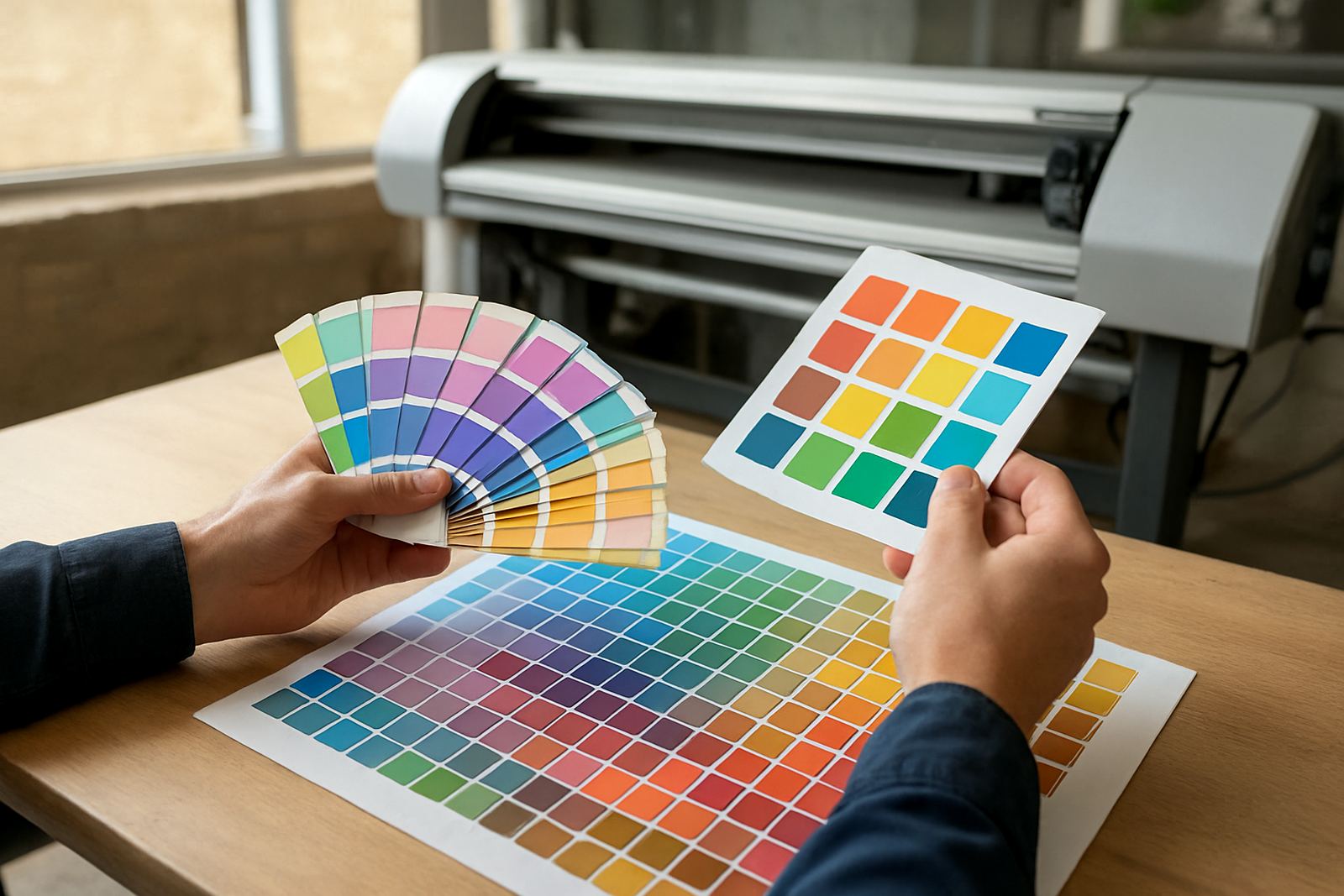
In print work, good colour is not only about the artwork file. The ink itself has to behave the same from batch to batch. If the colour shifts, you waste time on reprints, client approvals and unnecessary troubleshooting. That is why many decorators focus on stock planning and consistency advice before a large order lands.
Load shedding adds another layer. If your machine is stopped mid job, the ink still needs to stay usable when power returns and the line starts again. That means proper storage, careful line cleaning and a sensible refill routine. Coastal humidity can also affect how materials behave in Durban or the East Rand during wet weeks, so keeping supplies sealed and stored properly matters more than people admit.
Reliable supply helps you avoid panic buying. For trade customers in Johannesburg and beyond, next-day courier on inks can be the difference between finishing a rush order and missing a deadline. When the job is already booked, you do not want to be waiting for a restock while the client is asking where the garments are.
How To Build A Better Job Plan Before Printing Starts
The easiest way to save money is to plan before you print. Confirm the substrate, confirm the artwork requirements, then decide which process will give the best result for the quantity and the finish. If the order is mixed, separate it into the right production stages so the team is not improvising halfway through the job.
For smaller shops, this is where startup print advice and trade customer support become practical rather than theoretical. A first-time client may want 20 sublimated items for an event and 100 screen printed tees for staff. If you guide them properly at quote stage, you can protect your margin and avoid overpromising on turnaround or colour outcomes.
Stock planning also helps with bulk orders. If you already know that your peak periods are February school events, winter sport and year end gifting, you can keep enough supply in Kya Sand to cover the likely run sizes. That is often the difference between a calm workshop and a scramble.
- Confirm quantity, garment type and finish before taking payment.
- Separate mixed orders into clear production batches.
- Keep a stock list for your fastest moving inks and blanks.
- Allow for courier time when planning repeat orders nationwide.
A Johannesburg Example: One Client, Two Methods
A useful local example is a mid-sized print shop servicing schools and sports clubs in Johannesburg and Pretoria. The school orders cotton staff shirts and event tees for the annual fair, while the sports club needs polyester warm-up tops and branded supporter items. If the supplier can handle both screen printing and sublimation, the client gets one point of contact and the shop gets a better chance of keeping the order in-house.
From Kya Sand, that kind of setup works well because delivery routes to Randburg, Roodepoort, Midrand, Sandton, Pretoria and the East Rand are straightforward, and nationwide courier can cover the rest. The real value is not just delivery, though. It is having a supplier that can help with ink selection, compatibility checks, refill guidance and colour troubleshooting when the job is already on the calendar.
For decorators, that support can protect reputation. A missed shade on a sports top or a clogged line on a busy Monday can hold up the whole run. When you have clear guidance and supply planning behind you, you can keep the work moving and serve different client types without overcomplicating the workshop.
What Trade Buyers Should Ask Before Placing An Order
Good trade buying is not only about price. It is about whether the ink suits your machine, your garments and your production pace. If you are running screen printing and sublimation together, ask the supplier for clear guidance on compatibility, line cleaning and order sizing before you commit to a bulk run.
That approach helps you avoid costly mistakes and keeps the workflow steadier. It also gives your team a cleaner handover when one job finishes and the next one starts. In a busy South African print shop, that kind of discipline matters more than fancy claims.
- Ask which inks suit your printer type and typical jobs.
- Check whether the supplier can help with colour issues and stock planning.
- Confirm courier timing if you are outside Johannesburg.
- Keep sample stock on hand for approvals and reprints.
When screen printing and sublimation are managed properly, they give a business more reach and fewer missed opportunities. The key is not trying to make one process do everything, but choosing the right method for each job and keeping your supply line dependable.