Brief From A Midrand Campaign Team
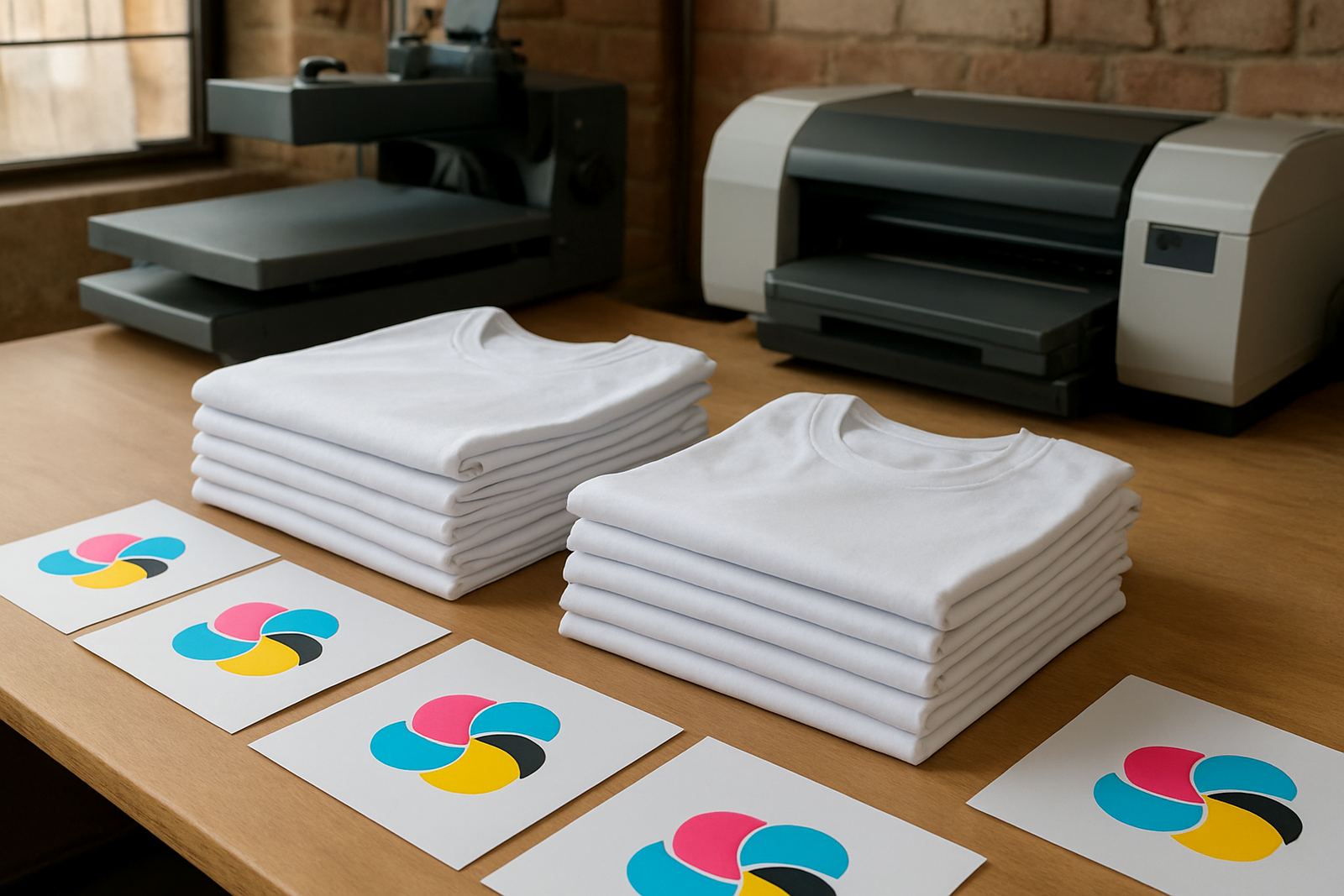
The client was a marketing team based in Midrand handling shirts for a local event push. They needed a print run that could move quickly, keep the logo sharp at small sizes, and still hold a clean finish on repeated wear. The order was for a mix of adult sizes, with branding placed on the chest and back, and the artwork included fine lines plus a two colour lock-up that tends to show faults quickly if the ink is not stable.
The main ask was simple enough on paper: print the shirts, keep the colour consistent from the first piece to the last, and make sure the delivery stayed on track for the event date. The team had dealt with faded output before, so they wanted practical help on ink choice, heat settings and how to keep the printer steady through a busy run. We worked with them on compatibility checks before production and made sure the setup matched the garment transfer method being used.
- Town: Midrand
- Job type: Event shirt production
- Print focus: Logo clarity and colour consistency
- Run size: Medium batch for campaign use
What The Run Needed To Get Right
The constraints were very typical of a South African event job. There was limited time for reprints, the artwork had fine detail that could band or blur if the print head was not behaving, and the shirts had to be ready before the final pack-out. Midrand jobs often sit between corporate timing and field activity, so there is no room for guessing on stock or ink draw. We also had to factor in courier timing and the risk of load-shedding interrupting production windows if the printer was left idle too long.
The client also wanted to avoid colour drift between batches. That matters when shirts are handed out in groups, because one dark logo or washed-out print stands out immediately in photos. We guided them on line cleaning, refill handling and how to keep the set of inks stable in the printer during the run. In hotter weather, especially in Johannesburg, short interruptions can affect consistency if the equipment is not maintained properly so we kept the process simple and controlled.
- Fine-line logo artwork needed clean edge definition
- Colour had to stay matched across the full batch
- Production had to allow for courier collection without delay
- Printer downtime had to be kept to a minimum
Ink Selection And Production Support
We supplied sublimation inks selected for a clean transfer, steady flow and dependable colour density on both smaller and wider-format print setups. For this job, the main concern was not only bright output but also how the ink behaved during a full shirt run. If the ink feed is uneven or the colour balance shifts, the logo can start to look tired before the batch is even finished. We checked compatibility first, then helped the team confirm the best refill sequence and print order.
Because this was an event run, we also gave stock planning advice. That meant setting aside enough ink for test pieces, the full production batch and a small buffer for last minute replacement shirts. The client was not looking for fancy talk, just practical guidance that would stop waste. Our warehouse team in Kya Sand packed the order for fast dispatch and the logistics side arranged the courier handover so the inks could move without delay. Next-day delivery is especially useful when a team realises on a Tuesday afternoon that the job has to land on Thursday morning.
- Compatibility check completed before printing
- Colour troubleshooting support during test output
- Refill guidance for stable flow through the run
- Courier coordination for next-day movement from Johannesburg
Timeline And Turnaround
The project ran over two weeks from first enquiry to final shirt packing. Week one covered the brief, compatibility check, artwork review and sample output. The sample stage was important because the logo had a few tight detail areas that needed adjustment before the full batch was released. We helped the client compare the test prints under normal indoor light as well as natural daylight, because a colour that looks fine under one light can shift badly under another.
Week two covered the production run, finishing checks and final delivery coordination. The inks performed consistently throughout the batch, which kept the logo matching from front to back and from shirt to shirt. The client’s print team appreciated that the inks did not cause unnecessary stops for cleaning and correction, and that helped them stay within the event deadline. In this kind of job, saving 20 minutes here and there is often the difference between finishing on time and sending shirts out late.
Results On The Shirts
The finished shirts gave the campaign team what they wanted: sharp logo reproduction, strong colour and a clean overall presentation for event use. The print held its shape on the fine detail, and the colour stayed even enough for group photos and attendee giveaways. For the client, the big win was reliability. They did not want to explain why half the shirts looked different from the rest, and they did not have to.
Another useful result was reduced waste. Once the test pieces were approved and the ink settings were settled, the batch moved without repeated adjustments. That meant fewer spoiled shirts and less time spent on rework. The team also noted that the print setup was easier to keep clean during the run, which matters when a press room is busy and there is not much spare time between jobs. For event work, that sort of stability matters as much as colour strength.
- Crisp logo reproduction on small detail areas
- Even colour across the batch
- Less waste after the sample stage was approved
- Faster pack-out for the event deadline
What We Would Do Again For Similar Jobs
For a similar Midrand shirt order, we would follow the same process again. Start with a compatibility check, run a sample, confirm colour under more than one light source, then lock in stock planning before the main print. That approach works well for campaign shirts, staff tees and launch events where timing is tight and the artwork needs to stay clean. If the client is working from a smaller desktop unit or a wider-format machine, the basic discipline stays the same.
We would also keep the communication practical. No unnecessary back-and-forth, just clear advice on ink choice, refill timing, line cleaning and what to do if the printer pauses during load-shedding. For South African production teams, that kind of help is useful because jobs rarely happen in perfect conditions. With the right ink and a sensible plan, event shirts can still leave the press looking neat, consistent and ready for distribution.
Midrand jobs move quickly and this one did too. The end result was a set of shirts that matched the brief and a production process the client could repeat for future campaign runs.
Key facts
| Project | Midrand event shirts |
|---|---|
| Client type | Local campaign team |
| Town | Midrand |
| Timeline | 2 weeks from enquiry to delivery |
| Print focus | Sharp logo reproduction and colour consistency |
| Supply support | Compatibility check, sample assistance and courier coordination |