Why Workout Leggings Need Stable Colour Runs
Workout leggings are usually produced in repeat patterns, blocks of colour and small branding marks that must look the same from roll to roll. If the ink output drifts, the whole run can look uneven once the fabric is cut and sewn. That is why stretchwear teams in Johannesburg, Durban and Cape Town often ask for ink support before committing to production.
For this use case, the aim is not only bright colour. The print also has to stay clear on moving fabric, hold up after heat transfer and work on garment panels that may be cut into leggings, tights or fitted shorts. If the colour is too weak, the final garment can look washed out. If it is too heavy, fine lines and repeat prints can close up. A good setup gives you strong colour without clogging details.
We work with businesses that print for gym ranges, yoga wear, athleisure and teamwear. Some need a few test metres for sampling, while others plan bulk production for retail orders. In both cases, it helps to match the ink to the printer, paper and fabric finish before the first long run starts.
Typical Printer Setups Used For Stretchwear Work
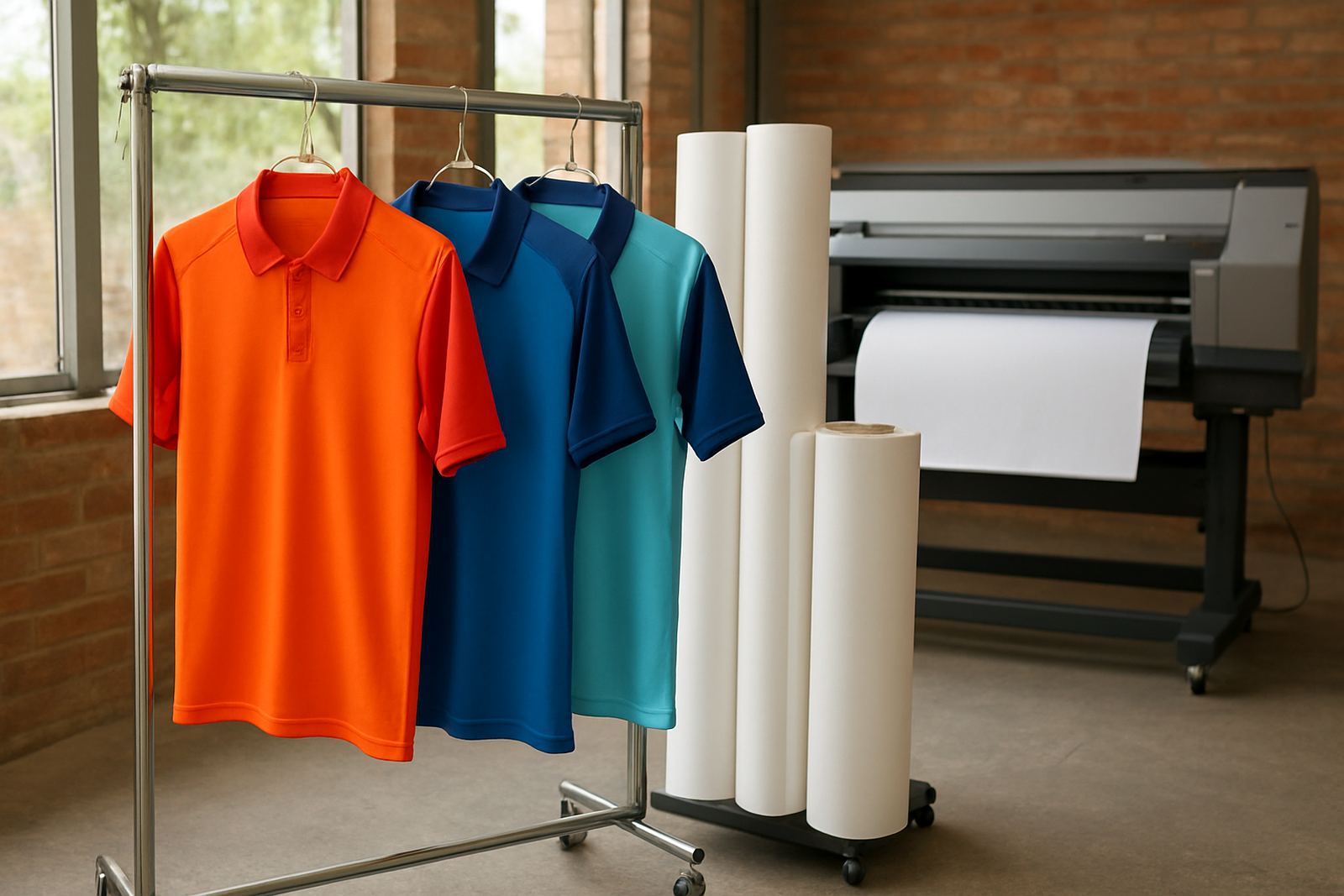
Most workout leggings production in South Africa starts with either a desktop unit for sampling and short runs, or a wider machine for fabric production and longer repeat jobs. The ink choice must suit the head type and the workflow, especially if the printer stops and starts through load-shedding or weekend production shifts.
- Desktop printer for sample panels, colour swatches and small development runs
- Wide-format printer for full repeats, yardage and larger production orders
- Heat press for transfer work on cut panels or finished garment pieces
- Calender or fabric transfer setup for continuous lengths on stretchwear ranges
- Cleaning and flushing supplies to help keep lines clear between print sessions
Many manufacturers also keep a second set of cartridges or bottles on hand for colour-critical jobs. If you are printing a dark base pattern one day and a lighter pastel range the next, switching too quickly without proper line cleaning can cause contamination. That is a common reason for flat colour, banding or muddy outlines.
Planning Colour For Repeats, Panels And Size Runs
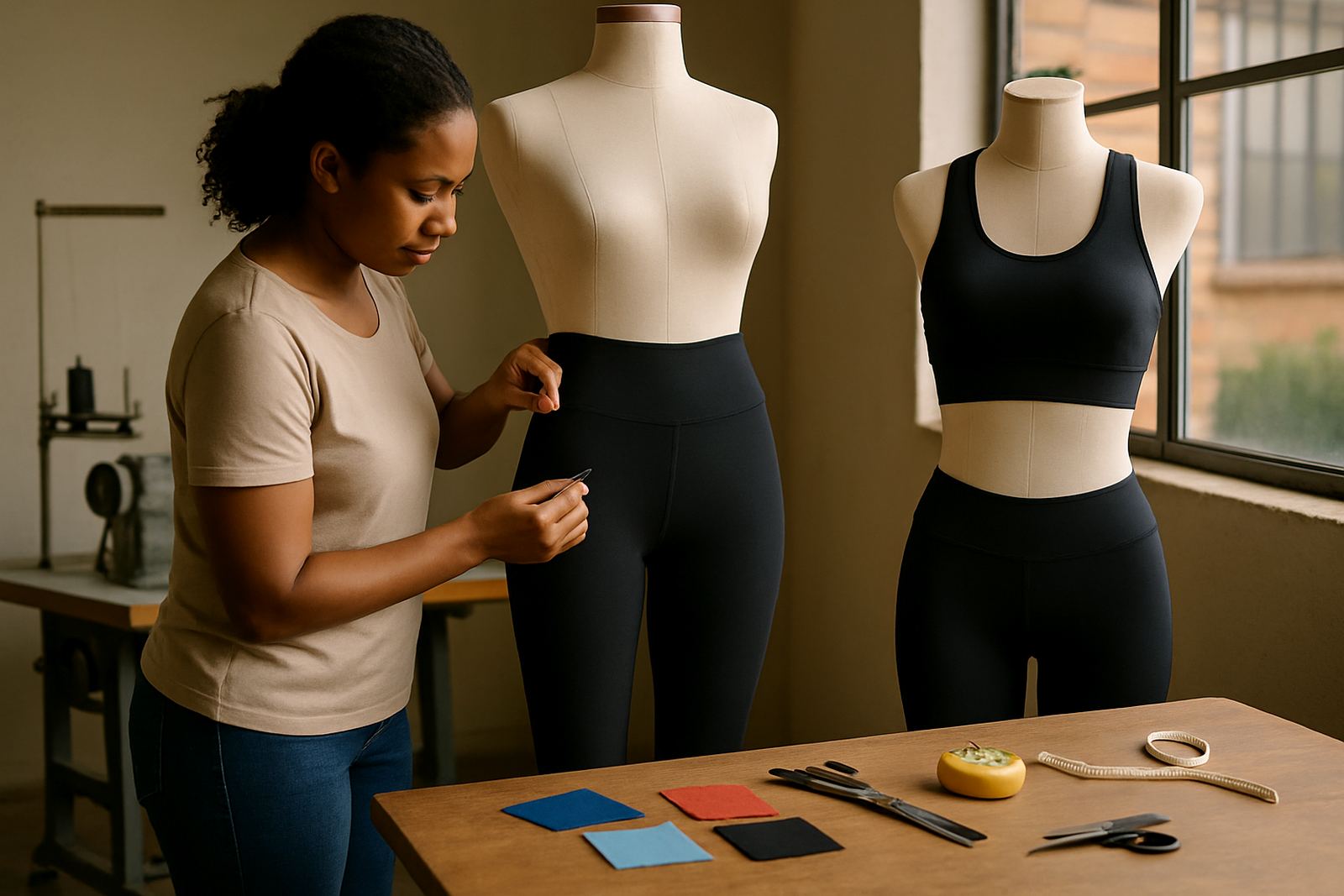
Workout leggings often use repeat prints that must line up across left and right panels, waistbands and size ranges. The artwork may look perfect on screen but behave differently once it is scaled to fabric width and garment stretch. Before a full run, check how the repeat sits at actual panel size and how much movement the cloth will take after sewing.
For production planning, it is useful to separate your work into sampling, approval and batch printing. A sample order can catch colour issues early, while a bigger run can then follow with less waste. We also advise stock planning for busy periods, because many garment producers in Gauteng carry extra ink before month-end orders and school or corporate fitness campaigns.
When colour consistency matters, keep a note of the same printer, paper, press setting and fabric lot. Even small changes in heat or timing can shift the result. On stretchwear, that can be enough to make one batch look sharper than the next.
Common Mistakes That Cost Time And Fabric
The most common issues on workout leggings jobs usually come from rushing setup or using ink that is not matched to the machine. A lot of wasted fabric can be avoided with basic checks before print day starts.
- Printing without confirming compatibility for the printer head and ink channel setup
- Skipping test strips when changing from one colour profile to another
- Leaving ink sitting too long during power cuts, then restarting without line checks
- Using poor storage in hot or humid rooms, especially near the coast
- Ignoring cleaning after a heavy production week, which leads to blocked nozzles
Another frequent issue is expecting one colour formula to behave the same on every fabric blend. Stretchwear can vary quite a bit, especially where moisture-wicking finishes or different polyester contents are involved. For repeat print ranges, it pays to test the exact fabric before the main order is cut.
Budget Ranges For Sample And Production Orders
Budget depends on printer size, the volume of fabric and how often you need support for colour matching or stock planning. A small sampling order for a startup range may sit at around R450 to R1 500, while regular production orders for activewear can move into the R2 000 to R8 000 range depending on coverage and usage. Larger trade orders can go above that when the business is running multiple styles or longer repeat jobs.
For many Gauteng producers, the real saving comes from avoiding wasted rolls and reprints. A single bad batch of panels can cost more than the ink order itself, especially when fabric, labour and press time are added in. Good planning also helps with courier timing, because many teams want ink on site before a Monday production shift or before a rush order lands.
If you are pricing a new workout leggings range, it helps to include test ink, cleaning cycles and the extra stock needed for final approval. That gives a more honest cost per garment and helps you quote with confidence.
How We Support Stretchwear Teams From Kya Sand
We supply sublimation inks from Kya Sand, Johannesburg with next-day courier on inks nationwide. Teams in Randburg, Roodepoort, Midrand, Sandton, Pretoria and the East Rand often use our support when they need quick answers on selection, compatibility or colour issues. The same applies to businesses in smaller towns that need courier delivery rather than collecting stock in person.
Our support covers ink selection help, compatibility checks, colour troubleshooting, refill guidance, stock planning, bulk order support, sample order assistance, consistency advice, line cleaning advice, trade customer support and startup print advice. If a garment producer is unsure whether a printer is ready for a new batch, we help work through the setup before the order goes live.
For workout leggings in particular, the main aim is steady colour across repeats and fewer stops in production. That means cleaner panels, fewer rejects and better control over lead times when customers are waiting on a new activewear range.