When Corporate Garment Orders Need Consistent Colour
Corporate decorators usually work to short lead times and repeat orders. One week it is a 30 shirt event run for Sandton, the next it is branded staff apparel for a Pretoria office, then a re-order for a warehouse team in Midrand. The common thread is consistency. Logos must match across sizes, and the black or navy used on one batch must read the same on the next batch.
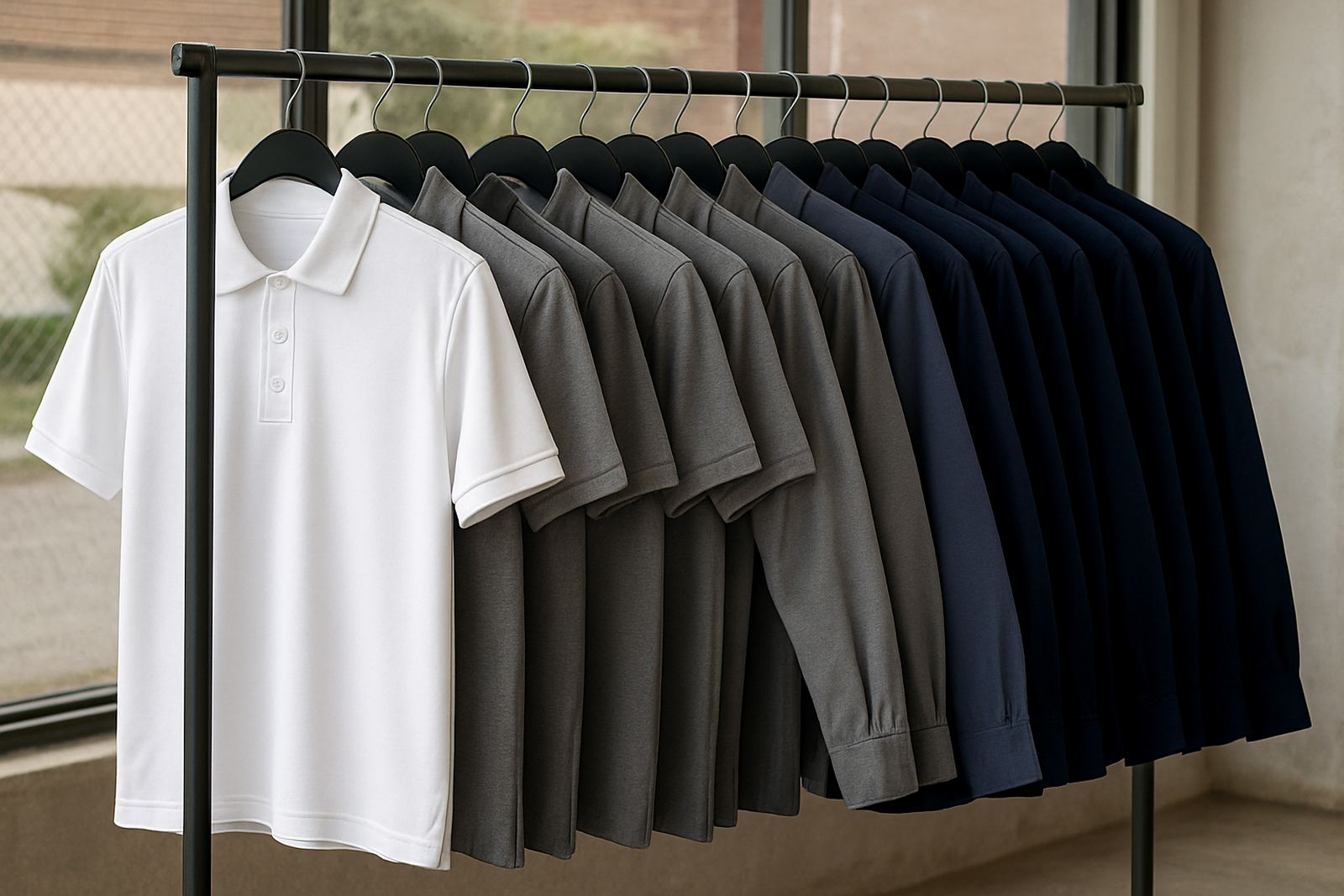
Sublimation is a strong fit where the garment range is polyester rich, especially for moisture-wicking polo shirts, sports-inspired staff wear and lightweight event clothing. It gives clean edges on logos, good colour intensity and a finish that does not crack like some surface prints. For corporate work, that means fewer complaints about fading or a logo that feels heavy on the garment.
In Johannesburg and across Gauteng, many businesses also want a practical balance between price and presentation. A neat branded shirt for a sales team does not need a premium fashion finish, but it does need reliable output and inks that behave well through daily use, washing and transport between branches.
Typical Equipment Used For Staff Apparel And Event Wear
Most corporate clothing runs are produced on a compact or mid-size print set, with the order volume deciding the workflow. A small studio in Kya Sand may be running a desktop printer for sample logos and short runs, while a larger decorator may use wide-format equipment for higher volume artwork, repeated job sheets and larger transfer sets.
Common items in the production setup include heat presses, pressing boards, transfer paper, colour profile software, cleaning materials and storage for inks away from dust and heat. In summer, especially in hotter inland areas or near busy workshop doors, storage discipline matters. Heat and direct sun can shorten shelf life and affect ink behaviour. During load-shedding, decorators also need to keep machines powered down correctly and avoid leaving cartridges or tanks open for too long.
- Desktop printer for samples, small logo batches and proof runs
- Wide-format printer for larger order volumes and repeat corporate sets
- Flat heat press for shirts, vests and promotional apparel panels
- Heat-resistant paper and clean storage for transfer work
- Spare cartridges or bulk supply for steady production planning
For decorators handling staff uniforms across multiple departments, a simple job card system helps a lot. Keep one code for each garment type, one for each colourway, and one for each re-order size split. It saves time and reduces mix ups when the same logo is being printed for reception, sales and site teams.
Layout And Planning Advice For Cleaner Corporate Runs
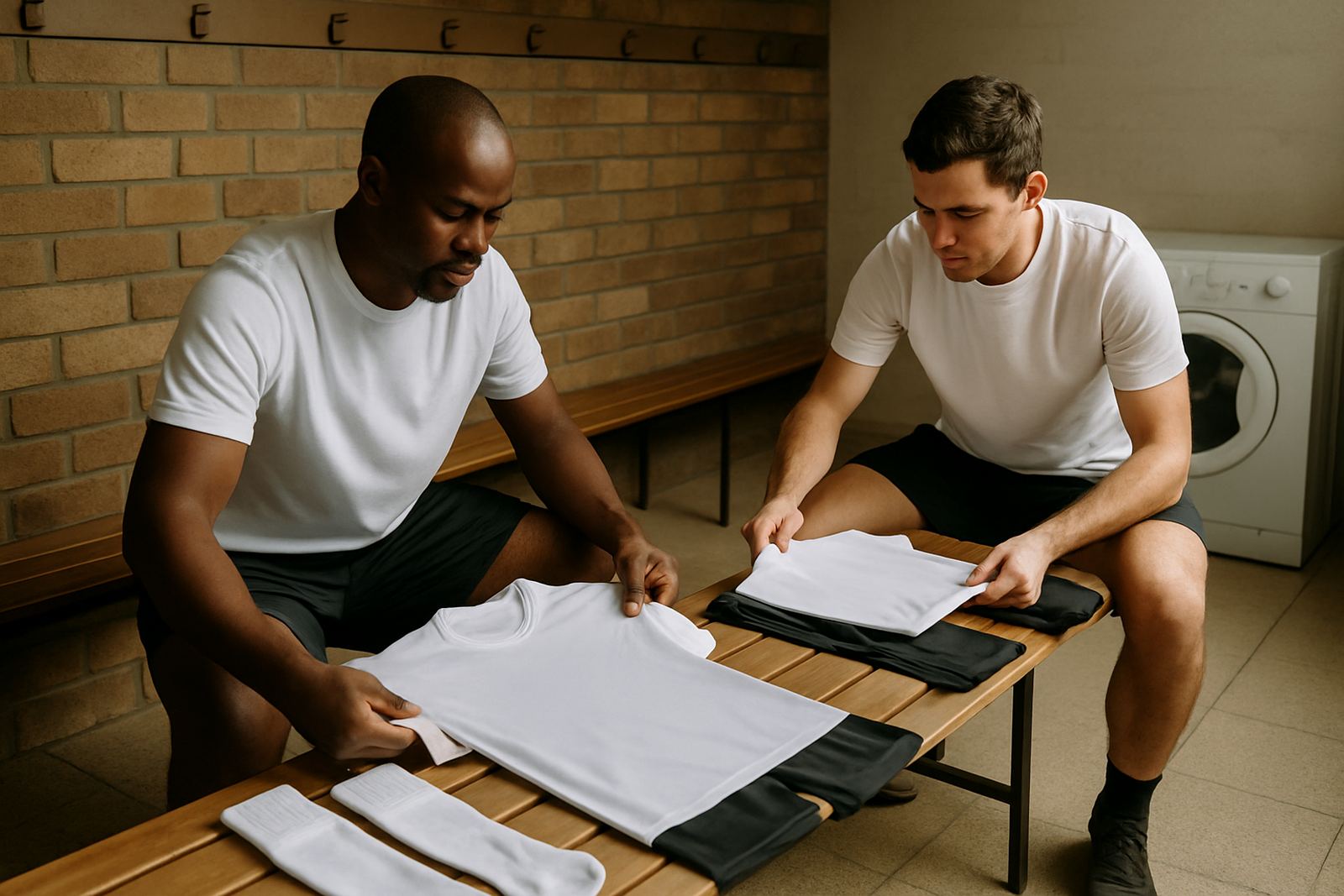
Corporate clothing is not just about printing a logo. It is about where that logo sits, how it reads from a distance and whether the garment still looks balanced when the wearer moves. A chest mark that works on size small may look too high on size 4XL if the layout is not adjusted. That is where a proper sample check makes sense before a full run.
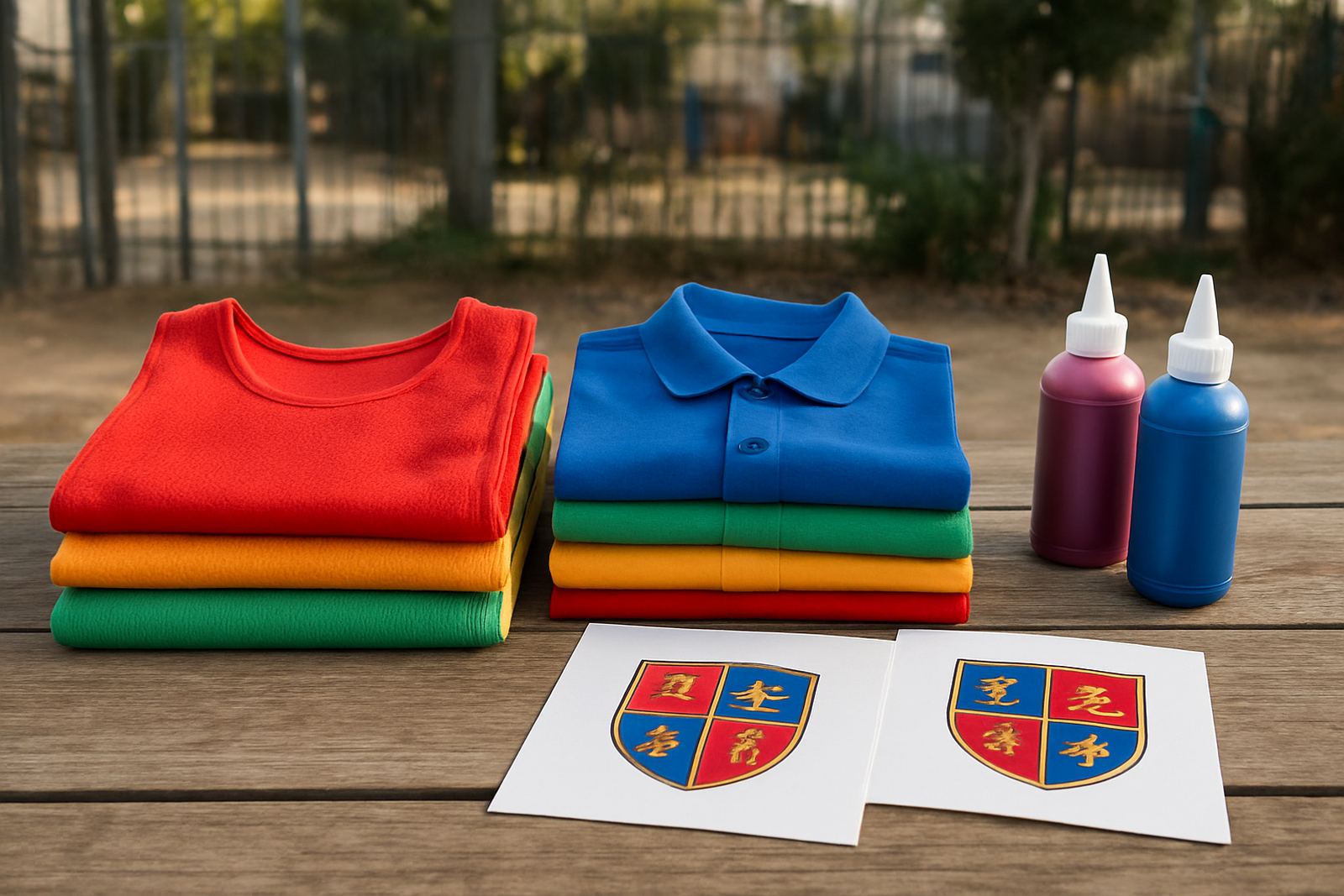
For most staff apparel, keep the artwork simple and use strong contrast. Fine text, tiny lines and very detailed crests can become hard to read at a glance. In South African offices, factories and event spaces, people often see a shirt from 2 or 3 metres away, not up close. That means logo clarity matters more than fancy detail.
- Confirm fabric content before committing to the process
- Check logo placement on all sizes, not only the sample size
- Keep one master colour reference for repeat orders
- Allow for left chest, back print and sleeve positions if needed
- Plan stock for re-orders, because corporate clients often need extras later
For teams working in coastal areas like Durban or Gqeberha, humidity can affect storage and handling. Keep paper, garments and ink sealed where possible, and avoid pressing damp clothing. In drier inland conditions, static build up can also cause handling problems, so a clean and organised workspace helps either way.
Common Mistakes That Cost Time And Reprints
The biggest corporate clothing errors are usually small, but they become expensive when multiplied across 50 or 200 garments. One common mistake is using the wrong garment blend. Sublimation is best on polyester or polyester-rich clothing, so a cotton-rich shirt may not deliver the same result. Another issue is skipping a test print and assuming the first batch will match the screen exactly.
Colour drift is another problem. A logo that should be a deep blue may print slightly muted if the profile, paper or ink setup is off. That can be a headache when the client wants all branches to match. Dust, blocked nozzles and poor cleaning routines can also affect output, especially where printers are switched on and off around power cuts.
- Printing without checking fabric composition first
- Ignoring size differences in logo placement
- Using damp garments or poorly stored paper
- Leaving inks idle too long in unstable power conditions
- Skipping sample approval for repeat corporate jobs
On the logistics side, last minute re-orders happen often. If a staff onboarding project grows from 20 to 35 shirts, a decorator needs enough stock on hand or a courier plan that can recover the job quickly. That is where stock planning and courier coordination become useful, especially for clients outside Johannesburg.
Budget Ranges For Corporate Clothing Printing
Budget depends on garment count, size mix and the amount of colour work in the artwork. For smaller corporate runs, decorators often keep costs tighter by using simple artwork and standard shirt colours. Larger orders can reduce the per-unit pressure, but only if the workflow is planned properly and the ink supply is steady.
As a practical guide, a sample set for a small staff order may start from about R350 to R900, depending on the number of test garments and the artwork check needed. A short corporate order for 20 to 50 pieces can sit anywhere from R1 500 to R6 000 for ink and production consumables, while bigger recurring runs for events or multiple branches can move beyond that, especially when colour proofing and stock planning are included.
For businesses that need reliable turnover, buying ink in the right pack size can make a difference. Small operators may prefer a lower entry cost for controlled runs, while busy decorators often need bulk support to keep the line moving. The aim is not just to save on a bottle, but to avoid interruptions when a client needs a same week turnaround.
If the work includes both logo placement and recurring uniform orders, it helps to cost the full job, not only the print. Include test prints, cleaning time, waste from setup and any courier charges for urgent replenishment. That gives a more realistic margin and fewer surprises at month end.
How Kya Sand Support Helps Corporate Decorators
From our Johannesburg base in Kya Sand, we work with trade customers who need practical support, fast stock movement and clear advice on ink choice. Corporate clothing is one of the most common use cases because decorators need vibrant colour, predictable output and help matching their production pace to client demand.
Our team supports selection for desktop and wide-format systems, compatibility checks before ordering, colour troubleshooting when output shifts, and refill guidance for ongoing work. We also help with stock planning for busy periods like year-end functions, staff onboarding drives and event seasons. For decorators sending work nationwide, next-day courier options make it easier to keep a project on schedule without carrying excess stock on site.
Whether your client is in Randburg, Roodepoort, Midrand, Sandton, Pretoria or the East Rand, the same rule applies: get the garment, artwork and ink setup aligned before the press starts. That saves time, protects margins and keeps the clothing looking professional once it reaches the end user.