What promotional wear needs from the ink
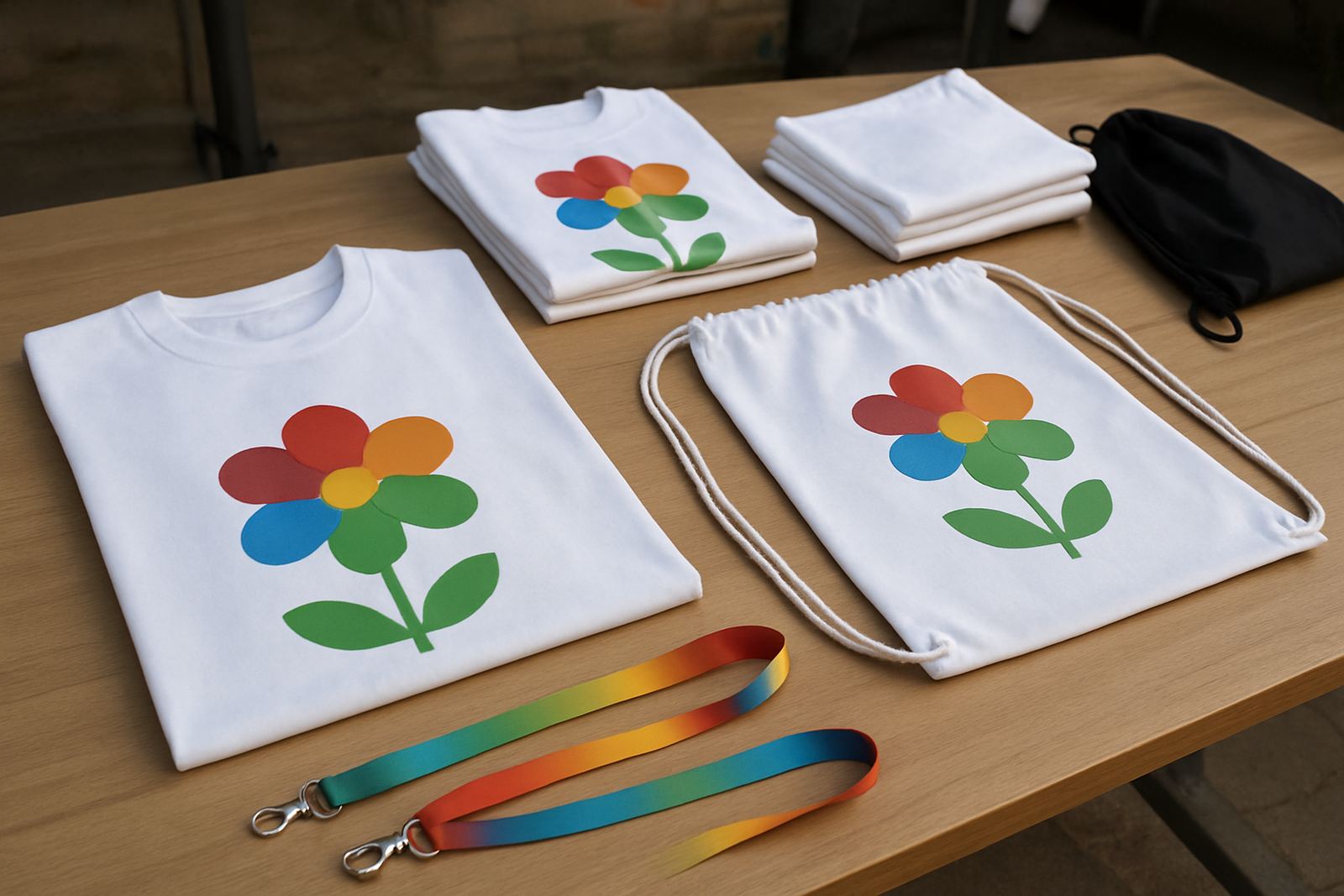
Promotional garments are usually judged fast. A launch T-shirt, roadshow shirt or event hoodie has to look sharp on the rack, print cleanly under pressure and keep its colour after handling, packing and washing. That is why the ink choice matters as much as the artwork and the fabric. For this kind of work, you need strong transfer, predictable colour and reliable output on both smaller desktop units and wider production machines.
In South Africa, promo wear often gets produced in batches for deadlines that do not move. A Friday activation in Sandton, a township outreach day, or a sports campaign in Pretoria may all be running from the same print room. When the garment count changes at the last minute, the ink has to stay stable across the run so one box of shirts does not look different from the next.
At our Kya Sand base in Johannesburg, we support printers who handle short runs and repeat orders, with next-day courier to most areas and nationwide. If you are planning garments for a campaign, start with the final fabric, garment colour and print size, then match the ink to the machine and transfer paper you are already using.
Typical print room setup for promo garments
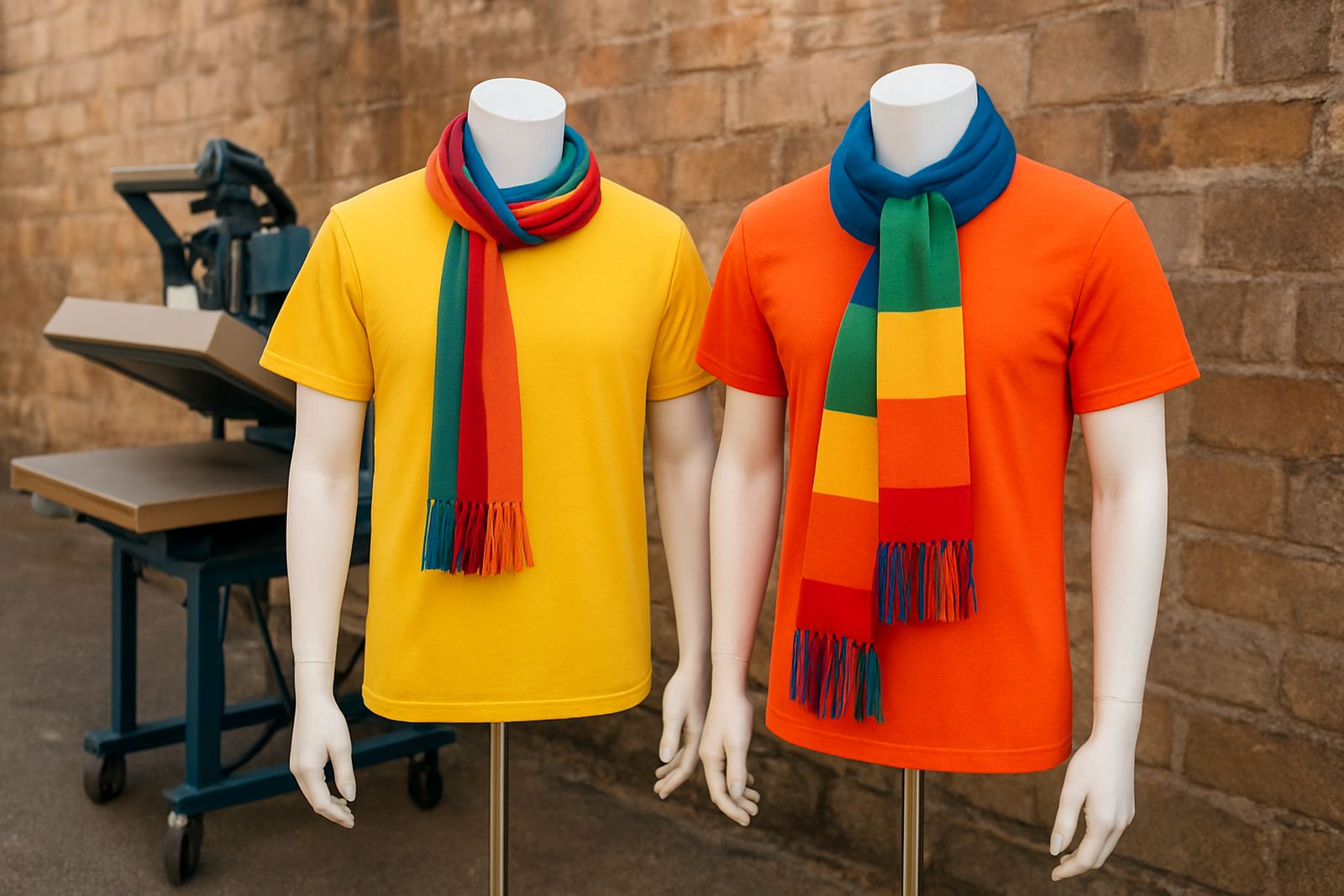
Most promotional wear jobs sit inside a simple production chain: artwork preparation, transfer printing, heat pressing, then folding and packing. The equipment can be modest or fairly busy, but the sequence stays the same. A desktop printer may handle samples or small campaign runs, while wide-format printers are used when the order grows and the artwork needs to be spread across many shirts, panels or display items.
For a small to medium print room, the usual set-up includes a printer, RIP workflow, heat press, transfer paper, and a clean drying or staging area. If you are printing for activations in Durban humidity or coastal towns, storage becomes part of the setup too. In damp conditions, paper and fabric should be kept dry, flat and off the floor. In Gauteng, dust from a busy warehouse can also affect line quality if you are not careful.
- Desktop printer for samples, tight deadlines and smaller garment batches
- Wide-format printer for higher volumes and larger campaign jobs
- Heat press with even pressure and reliable temperature control
- Transfer paper matched to the garment and press settings
- Dry, organised storage for ink, paper and finished stock
Planning the layout before you print
Promotional wear is not just about getting a logo onto a shirt. Layout planning decides whether the final garment looks like trade work or a proper campaign piece. Keep the print area linked to the garment size, not just the artwork size. A 3-colour logo that looks neat on a medium tee may sit too high or too wide on a small ladies fit shirt. For roadshows, staff sizes often vary, so it helps to keep a placement guide for chest logos, back prints and sleeve marks.
We normally advise printers to test one sample before approving the full batch. That sample should be checked under daylight, not only under shop lighting. Colour shifts are easy to miss when the room is dark or the press area is warm. If the campaign includes different garment colours, ask for a separate test on each base shade. White, light grey and navy can all show colour a bit differently.
For bulk work, set out the pack counts before printing starts. If the client needs 200 shirts for Johannesburg, 150 for Pretoria and 80 for East Rand distribution, label the cartons early. That helps avoid mix-ups when stock is moving quickly and the courier cut-off is near.
Common mistakes on promotional wear jobs
The most expensive mistakes on promo wear are usually the simple ones. A printer may use the wrong profile, forget to check the garment fibre content, or run with low ink levels and then end up with faded output halfway through the order. Another common problem is poor cleaning of the line and heads, especially after a long weekend or load-shedding interruption. If the printer sits idle, the first few passes may not match the rest of the run.
Temperature and pressure also cause trouble. If the press is too hot, the transfer can blur or leave marks. If pressure is uneven, the logo may look fine in the middle but weak on the edges. On busy jobs we often see this with rushed startup orders where the team is trying to print, press and pack at the same time.
- Do not skip the sample approval, even on small orders
- Do not mix ink batches without checking colour consistency first
- Do not store paper or ink in damp rooms
- Do not rely on one press setting for every garment type
- Do not leave a printer idle for too long after power cuts
Budget ranges for campaign and event garments
Budgets for promotional wear depend on the number of garments, the artwork coverage and the kind of printer being used. For small in-house runs, many customers start by budgeting for sample prints and a test press before ordering larger stock. That keeps the cost down while still showing the client exactly what they will receive.
As a rough guide, a small promotional wear print room may spend from about R850 to R2,500 on starter quantities of ink for sample work and lighter production. A busier operation printing daily for activations and reseller campaigns may plan for R3,000 to R9,500 or more, depending on the printer size and weekly output. Bulk buyers should also factor in paper, garment wastage, courier costs and any reprints from rejected samples.
If you are pricing a campaign, count the real cost per garment rather than only the ink bottle. Add labour, press time, spoilage and storage. That gives you a better number for quotes to agencies, brand teams and schools. For many South African businesses, that is the difference between making margin and losing it on a rush job.
How we support print teams from Kya Sand to nationwide delivery
Our support is practical and direct. If you are choosing ink for promotional wear, we can help with ink selection, compatibility checks, colour troubleshooting and line cleaning advice. We also assist with stock planning so your print room is not caught short before a launch weekend or roadshow. For larger accounts, bulk order support and consistency advice help keep repeat jobs aligned from one batch to the next.
Many customers contact us through the enquiry form on our contact page when they need startup print advice or a second opinion on a tricky job. Thabo Maseko leads the business, with Palesa Nkosi handling sales, Pieter van der Merwe on technical support, Yusuf Moosa coordinating customer support, Elmarie Kruger supervising warehouse stock, and Bongani Shabalala managing logistics. That setup helps us move quickly when a printer in Randburg, Roodepoort, Midrand or Pretoria needs stock turned around fast.
For promotional wear, speed matters but consistency matters more. The right ink should keep your garments looking tidy from the first sample to the last packed carton, without forcing your team to fight the print process every day.