When a sample run has to match the final garment
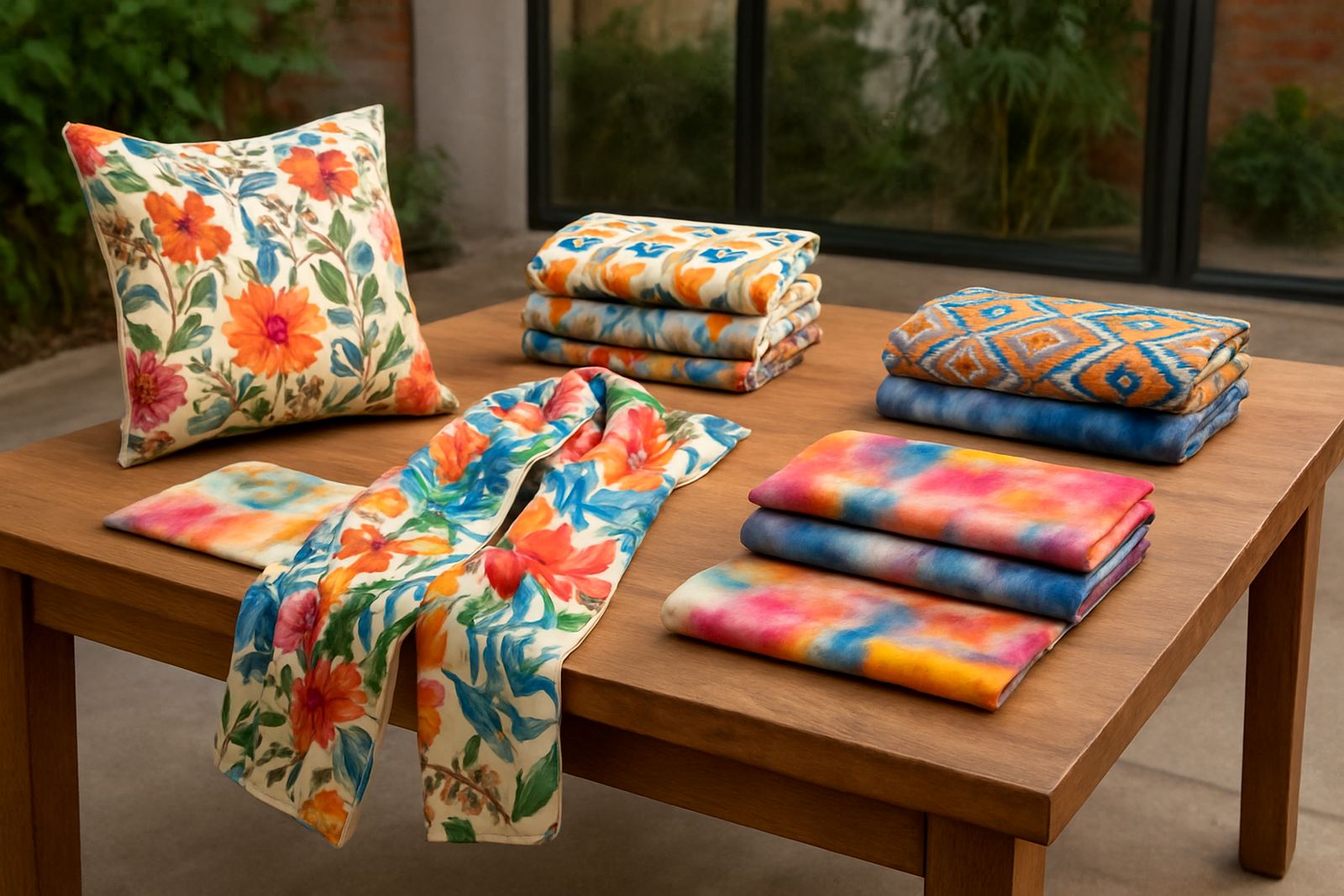
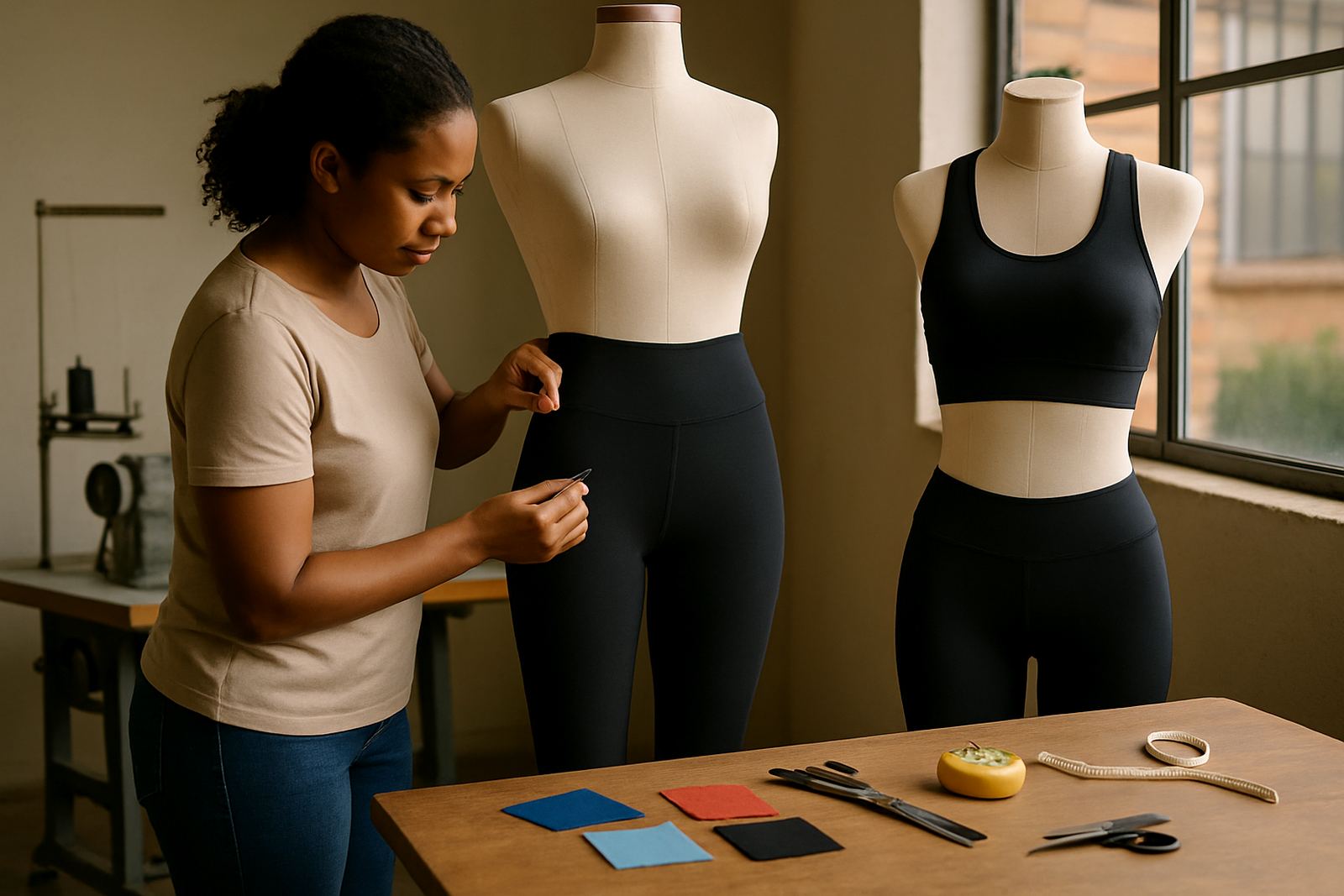
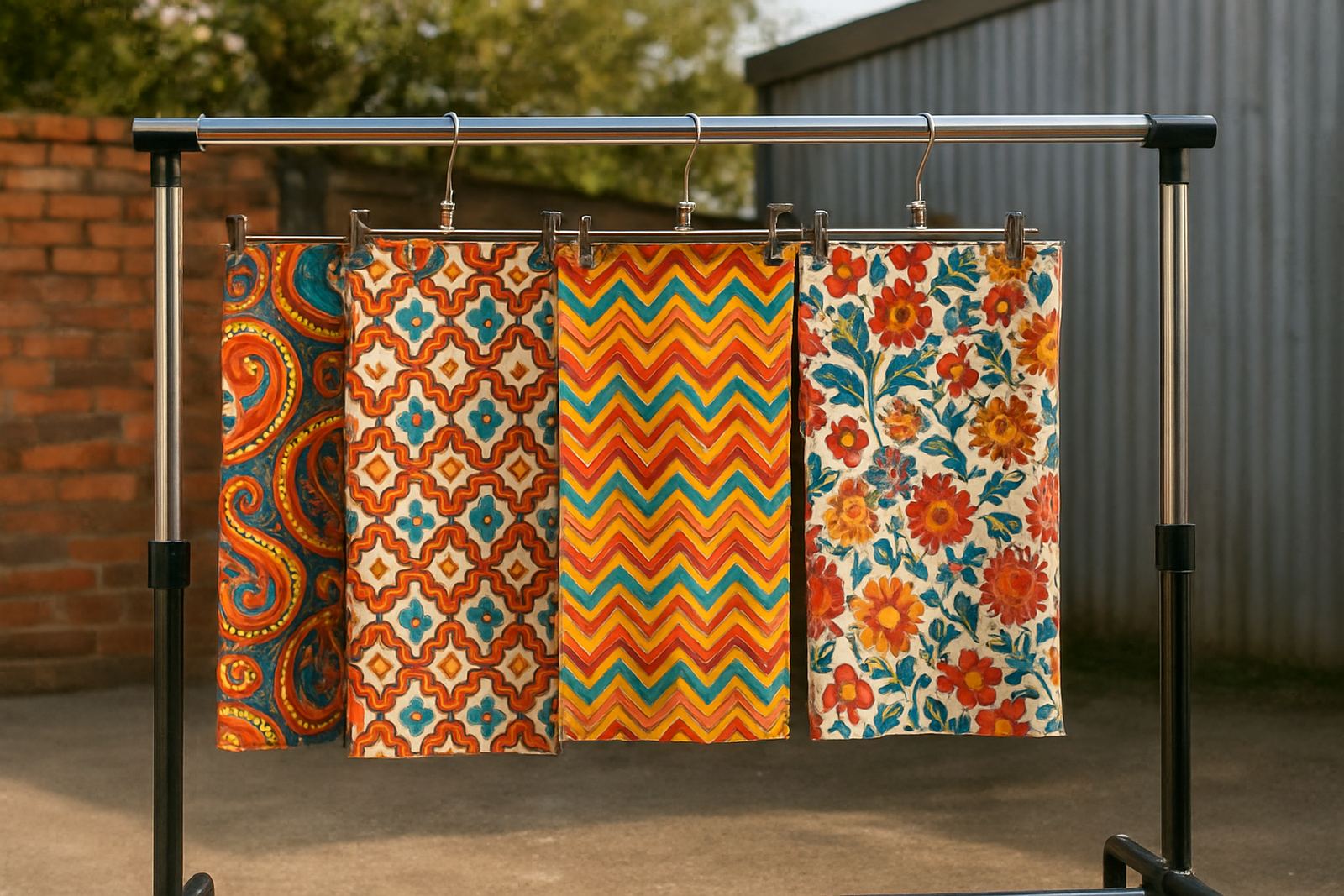
Fashion sample work is where colour, placement and repeatability get tested before a larger order moves ahead. In a studio setting, you may be printing trial tees, swimwear panels, activewear panels or small promotional pieces for a client meeting in Sandton, Pretoria or Cape Town. The aim is simple: prove the artwork, confirm the fabric behaviour and avoid costly reprints later.
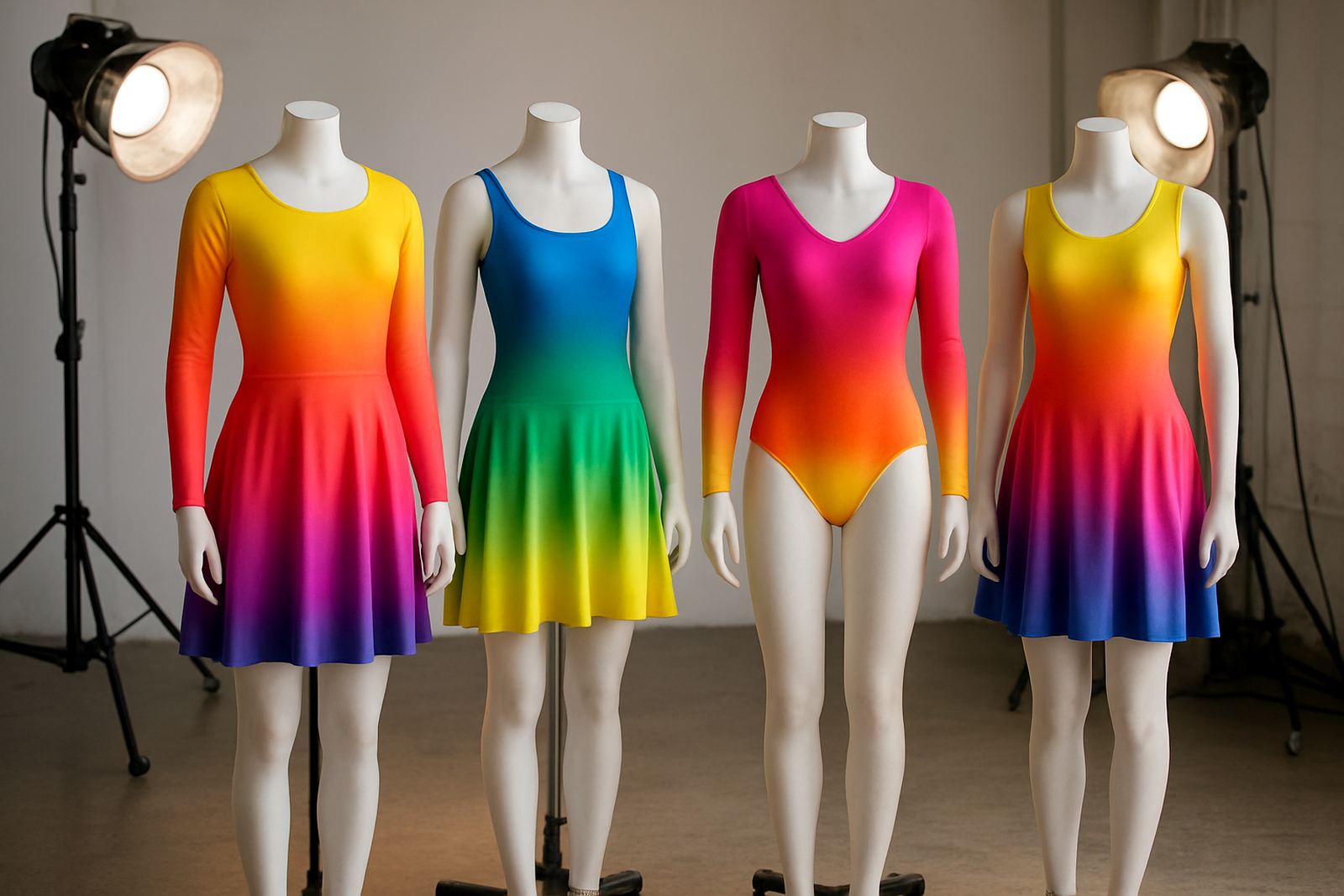
For sample garments, sublimation is often chosen because it gives a sharp finish on the right polyester base and lets the studio compare colour against the approved mood board. If the client wants a bright coral or a deep navy, you need ink that holds tone well on the first pass. That matters even more when your turnaround is tight and the team has to pack and courier the samples the same day.
- Useful for one-off prototypes, fit samples and small client approval runs
- Helpful when testing colour against different fabrics or coating levels
- Good fit for short production proofs before committing to a full batch
Typical equipment used in a sample workflow
Most sample rooms work with a desktop or wide-format printer depending on the size of the artwork. A smaller studio may run A4 or A3 sheets for labels, neck prints and placement tests, while a larger room might use wider rolls for full garment panels or repeat artwork. The printer itself should be kept clean, with regular line checks and no long idle periods, especially in winter when load-shedding can interrupt daily routine.
You will usually also need a heat press, a heat-resistant sheet, quality transfer paper and well prepared blanks with the correct polyester content. For fashion samples, the fabric choice matters just as much as the ink. A 100 percent cotton test piece will not give the same result as a high-polyester garment, so the sample needs to reflect the final product as closely as possible.
- Desktop printers suit small studios, pattern labs and label work
- Wide-format printers suit panel repeats, fashion launches and larger sample boards
- Heat presses should be checked for even pressure across the platen
Layout and planning advice for clean sample production
Sample work moves faster when the print space is laid out for quick decisions. Keep the printer near the paper storage area, and the heat press close enough that the transfer sheet does not pick up dust or curl on the way across the room. In Kya Sand and the surrounding Johannesburg areas, many studios work in compact units, so every metre of bench space needs a purpose.
Plan your colour workflow before the job starts. If the client approved a pantone target or a fabric swatch, keep it next to the RIP profile notes and the sample blank. That reduces confusion when more than one designer is working on the same order. Good record keeping also helps when a client comes back two weeks later and wants the same colour on a second run.
- Store inks upright in a cool dry place, away from direct sunlight
- Label sample sets by client, fabric type and date
- Keep a test log for heat settings, pressure and press time
Common mistakes that slow fashion sample approvals
One common mistake is using the wrong substrate and expecting the colour to match the final garment. Another is filling the printer with mixed ink stock that has not been checked for compatibility. That can cause weak colour, blocked nozzles or a lot of wasted transfer paper. In a busy studio, a small mistake on a sample can delay the whole fitting schedule.
Another issue is skipping line cleaning after a long pause in production. If the printer sat idle during load-shedding or over a weekend, do a nozzle check before you start the next sample batch. Coastal humidity in Durban can also affect storage, while dry inland air in Johannesburg can change how some papers feed. Small details matter and it is better to check than to reprint.
- Do not approve colour from a dirty or warped press platen
- Do not mix old stock with new stock without checking print consistency
- Do not assume one fabric will transfer the same way as another
Budget ranges for sample work in Rand
Fashion sample budgets vary by printer size, order volume and how many test pieces you need before sign-off. A small studio that prints occasional sample tees may only need a modest ink spend, while a design house running several fit rounds each week will need tighter stock control and more predictable replenishment. The main cost drivers are ink consumption, transfer paper, blank garments and the number of reprints caused by colour corrections.
As a practical guide, a basic sample setup can start from about R2,500 to R8,000 for inks and consumables depending on output. A more active studio using a wider printer and regular courier stock can sit closer to R10,000 to R25,000 per month once sample runs, test fabrics and repeat approvals are included. If you are planning a launch season or a trade fair, it helps to carry extra stock so you do not run short when the fitting schedule changes.
- Small sample studios: around R2,500 to R8,000 for starter ink and consumables
- Growing design rooms: around R10,000 to R25,000 monthly for ongoing sample output
- Bulk sample schedules: allow extra budget for reprints and couriered replacements
How we support studios from Kya Sand to nationwide
We work with fashion studios, garment decorators and screen printing businesses that need dependable inks for sample approvals and short custom runs. Based in Kya Sand, Johannesburg, we support clients across Randburg, Roodepoort, Midrand, Sandton, Pretoria, the East Rand and further afield with next-day courier on ink orders. That helps when a sample batch has to be ready for a buyer visit or a client presentation the next morning.
Our team can help with ink selection, compatibility checks, colour troubleshooting, refill guidance, stock planning and bulk order support. If you are unsure which ink suits your printer or your sample workflow, use the enquiry form on the contact page and we will help you sort it out before the next run. For many studios, that quick check saves time and keeps the sample room moving without unnecessary downtime.
- Nationwide courier for ink orders with next-day delivery on many routes
- Support for startup print advice, line cleaning and consistency checks
- Help for single sample runs as well as ongoing trade supply