What dance costume printing needs on the floor and under lights
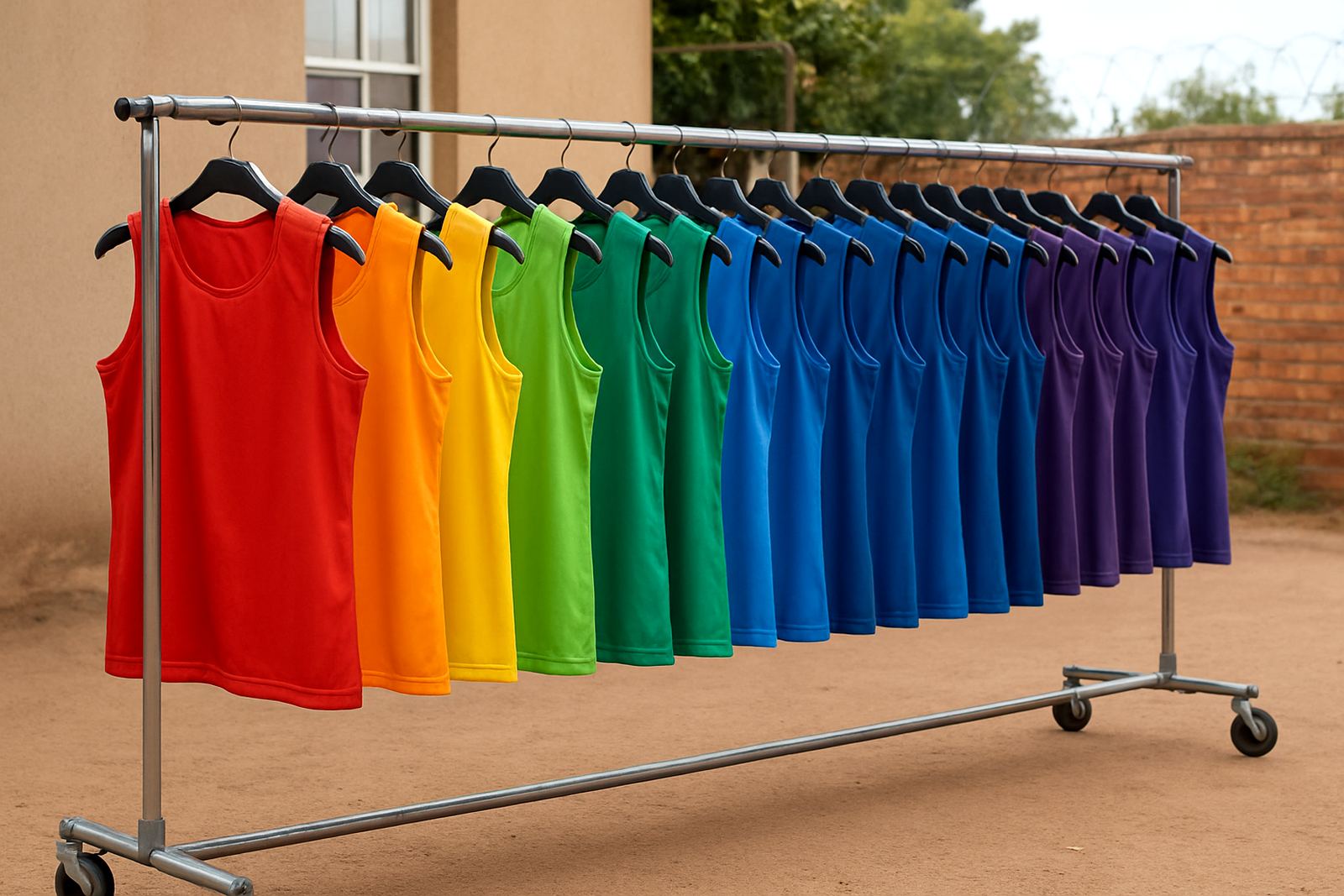
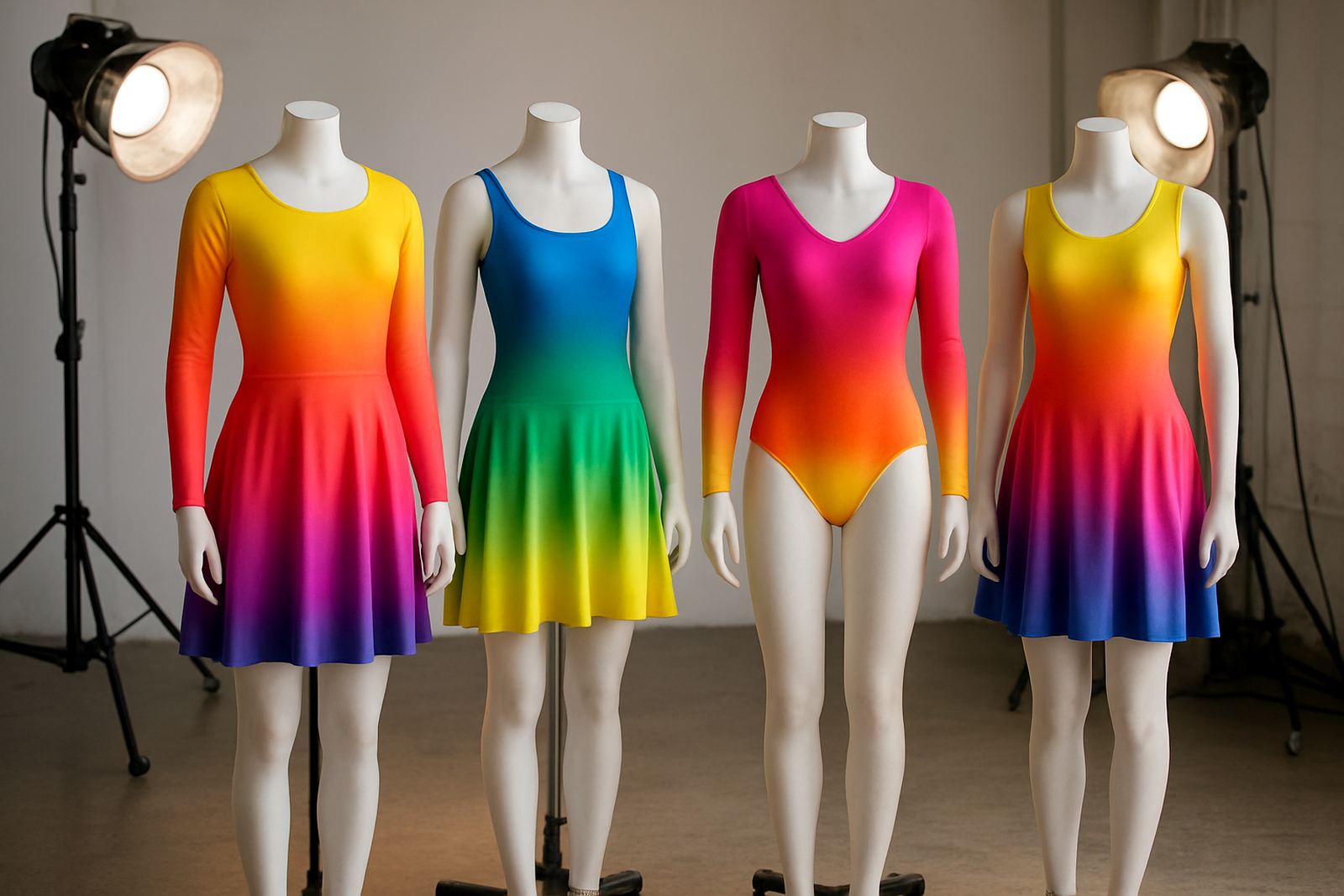
Dancewear is judged quickly. A costume has to catch the eye from the back row, keep its colour under hot stage lighting and still look neat after travel, rehearsals and washing. That is why many printers ask for inks that give strong saturation on polyester and blended fabrics, with clean blacks and steady repeat results across short runs and bulk orders.
For studios, schools and small garment decorators in Johannesburg, the main concern is not only colour pop but also consistency. When a team orders 20 or 200 costumes, every panel, sleeve and trim must match. On lighter fabrics the print should stay bright, while on darker base garments you need a clear plan for fabric choice and print placement so the result does not look dull or uneven.
We often see orders for exam pieces, production outfits and school dance items where the first sample looks fine but the rest drift in colour. That usually points to ink mismatch, heat press settings or poor file prep, not the costume itself.
Typical equipment set for dancewear work
Most dance costume orders are handled with either a desktop printer for samples and smaller runs, or a wide-format printer for larger panels, back drops and repeat production. The ink choice needs to suit the machine, the transfer paper and the heat press setup. If one part of that chain is off, colour can shift and edges can bleed.
- Desktop printer for sample garments, labels and short runs
- Wide-format printer for larger artwork, panels and repeated school orders
- Heat press with even temperature across the platen
- Quality transfer paper matched to the ink type
- Clean cartridges or bulk feed system with line checks
- Cutting tools and alignment guides for accurate placement
For coastal areas like Durban or Port Elizabeth, humidity can affect paper handling and storage. In Johannesburg and Pretoria, dust and dry air can affect nozzles if machines stand idle over load-shedding periods. A simple cleaning routine helps keep the first print of the day looking the same as the last.
Planning the print layout before the first garment is pressed
Dance costumes often have panels, seams, stretch zones and decorative sections that make layout planning important. A print that looks good on a flat mock-up may land across a seam or stretch badly once the garment is worn. Before printing, check the cut line, grain direction and where the fabric pulls when the dancer moves.
It helps to plan the artwork in layers. Keep the main logo or title away from heavy stretch areas and allow enough margin for trimming and sewing. If a costume has multiple sizes for a class or troupe, make one master layout and keep the artwork scale consistent so the whole batch matches. A small shift in placement can show up clearly under stage light.
- Leave extra bleed on panels that will be trimmed after pressing
- Avoid fine detail at seams, waistbands and underarms
- Use strong contrast for names, group titles and school marks
- Test one sample before committing to the full batch
- Keep a written note of press time, temperature and pressure
Common mistakes that spoil a costume run
The biggest problem with dancewear printing is usually rushing the setup. Some teams change fabric supplier, paper, printer setting and heat press temperature all at once, then wonder why the print looks flat or dull. Others print too close to the edge and lose detail when the garment is cut and sewn. A minor typo in the order notes can also mean the wrong size or name is pressed onto a batch.
Another common issue is ignoring wash behaviour. Stage wear gets sweaty, folded and washed often. If the ink system is not matched to the polyester content or the transfer was undercured, the print can fade early or leave a faint haze. In a school setting that creates repeat complaints and extra cost for reprints.
We also see stock planning mistakes. A studio may keep only one colour on hand and run out halfway through a season, then pay urgent courier fees. Holding a small reserve of the right ink colours and paper can save a lot of panic during competition month.
Budget ranges for dance costume printing projects
Budget depends on printer size, run length and how much trial work is needed. Smaller studios in Randburg or Roodepoort often start with sample work and short runs, while larger schools and production teams may need regular bulk supply. A practical budget should include ink, transfer paper, test garments and some allowance for waste during setup.
Typical cost ranges in Rand can look like this: sample and short-run testing may start from R350 to R1 200 in consumables, small batch costume printing can land between R1 500 and R6 000, and larger school or competition orders may need R8 000 or more depending on volume and artwork complexity. If a wide-format workflow is involved, stock planning matters even more because the cost of downtime can be higher than the ink itself.
For trade customers, it often makes sense to order enough stock for the full term or competition block, rather than buying piecemeal. That helps with colour consistency and reduces courier pressure when deadlines tighten.
How our support helps studios, schools and decorators
Dance costume work needs quick answers and practical support. That may mean checking ink compatibility, helping with colour troubleshooting, or advising on line cleaning after a machine stood unused during load-shedding. It can also mean helping a customer decide whether a small desktop setup is enough or whether a wide-format approach will save time on larger orders.
From our Kya Sand base in Johannesburg, we support clients nationwide with next-day courier on inks in many cases. Local businesses around Sandton, Midrand, Pretoria and the East Rand often collect planning advice for short turnaround work, while out-of-town customers use the enquiry form on the contact page to keep orders moving. For dancewear, the aim is simple: strong colour, steady supply and fewer surprises once the press starts.
- Ink selection help for desktop and wide-format printers
- Compatibility checks before you place a repeat order
- Refill guidance and line cleaning advice
- Bulk order support for schools and production teams
- Sample order assistance for new fabrics and layouts