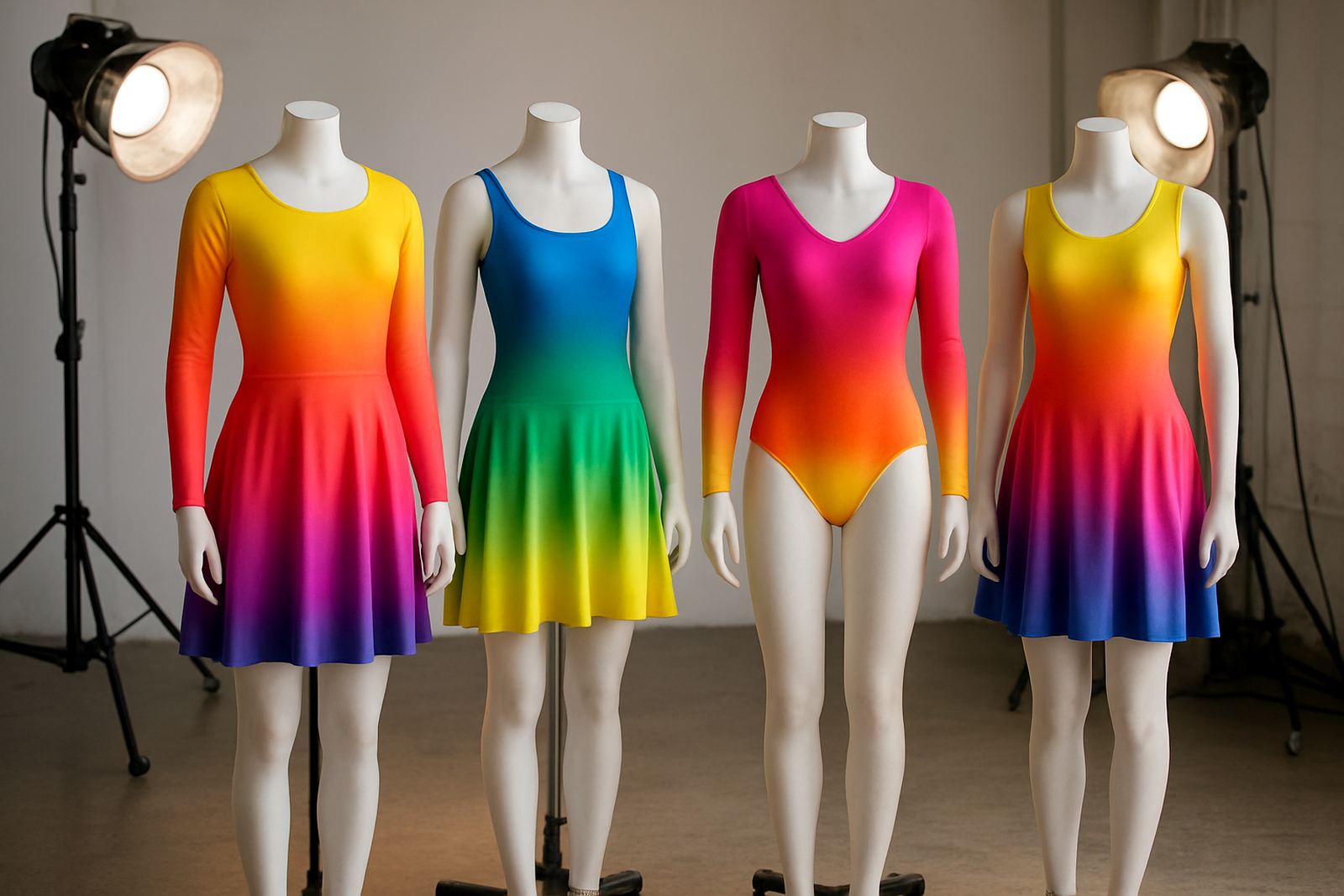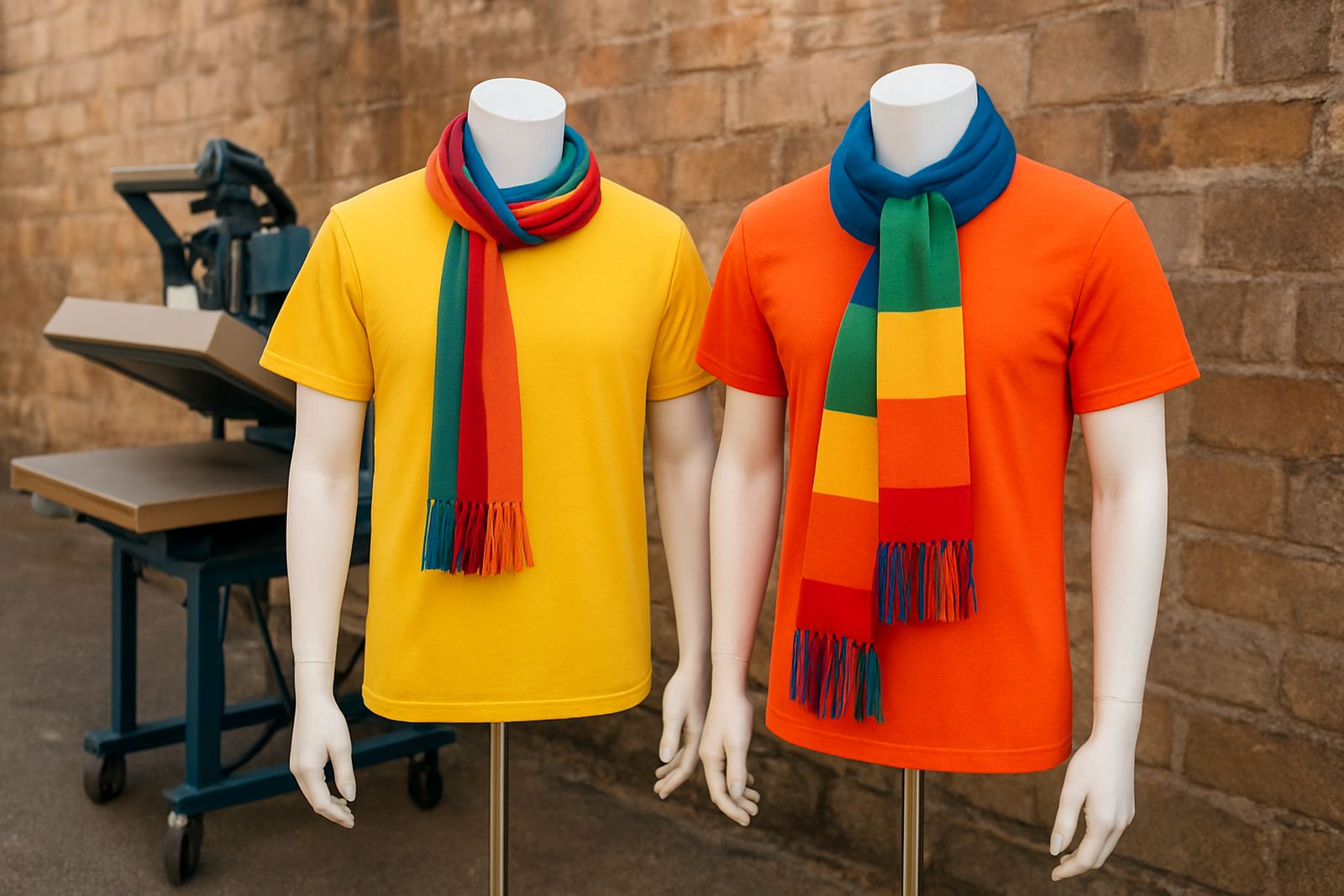
When team kits need consistent colour
Team kit work usually comes from clubs, schools, churches, academies and corporate sports days where the same logo must look right across 20, 50 or 200 garments. Polyester is the normal fabric choice for playing shirts and training tops, and it takes sublimation well when the ink, paper and heat settings are matched properly.
In Johannesburg, Durban and coastal towns alike, teams want prints that stay bright through sweat, sun and regular washing. That means colour control matters. If the reds shift toward orange, or the navy comes out grey on one batch, the whole order looks uneven. Good planning at the start saves reprints later and keeps the team looking like one unit.
Typical setup for a small or busy kit shop
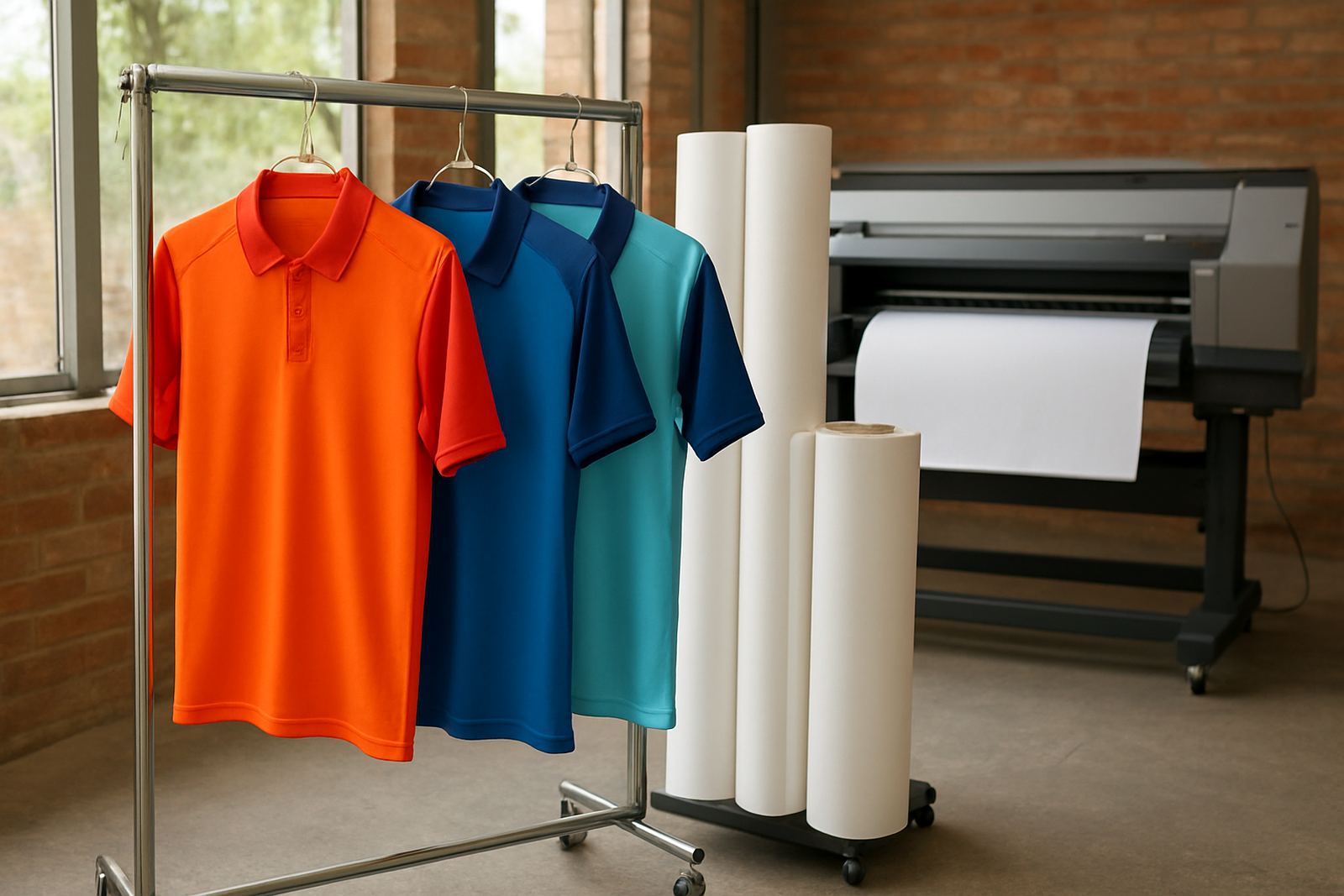
A team kit workflow can start with a desktop printer for short runs or sample sets, then move to wider machines when the order volume grows. Many shops also keep a heat press, transfer paper, trimming tools and a clean storage area for inks and paper. If you are printing from Kya Sand to Sandton, or shipping to smaller towns, reliable stock planning becomes just as important as the printing itself.
- Desktop or wide-format printer set up for sublimation work
- Heat press sized for jerseys, shorts, bibs and warm-up tops
- Quality transfer paper for even ink release
- Colour test prints before full production
- Clean handling area to reduce dust and marks
- Spare ink on hand for tournament weeks and school season peaks
For wet or humid areas near the coast, keep paper sealed and inks stored properly. In dry inland areas, especially during load-shedding, stable power and clean nozzles help avoid stop-start printing problems.
Layout planning for shirt numbers, logos and names
Team kits usually need a front crest, sponsor mark, player name, number and sometimes sleeve branding. The layout should be planned before the first print run, not after the press has started. Measure the printable area on each garment size because a large chest logo that looks fine on an adult medium can overpower a youth small.
Use the same spacing rules across the range so the full squad looks neat. Keep numbers readable from a distance and avoid crowding the back panel with too many elements. If your club uses more than one shirt colour, test the design on each base colour before approving the final batch. Small changes in background colour can change how bright the final print appears, especially on lighter polyester.
- Confirm the exact placement for crest, number and name on every size
- Set one master artwork file and keep a backup copy
- Check font weight for clear visibility on the field
- Allow extra margin for seams, zips and panel lines
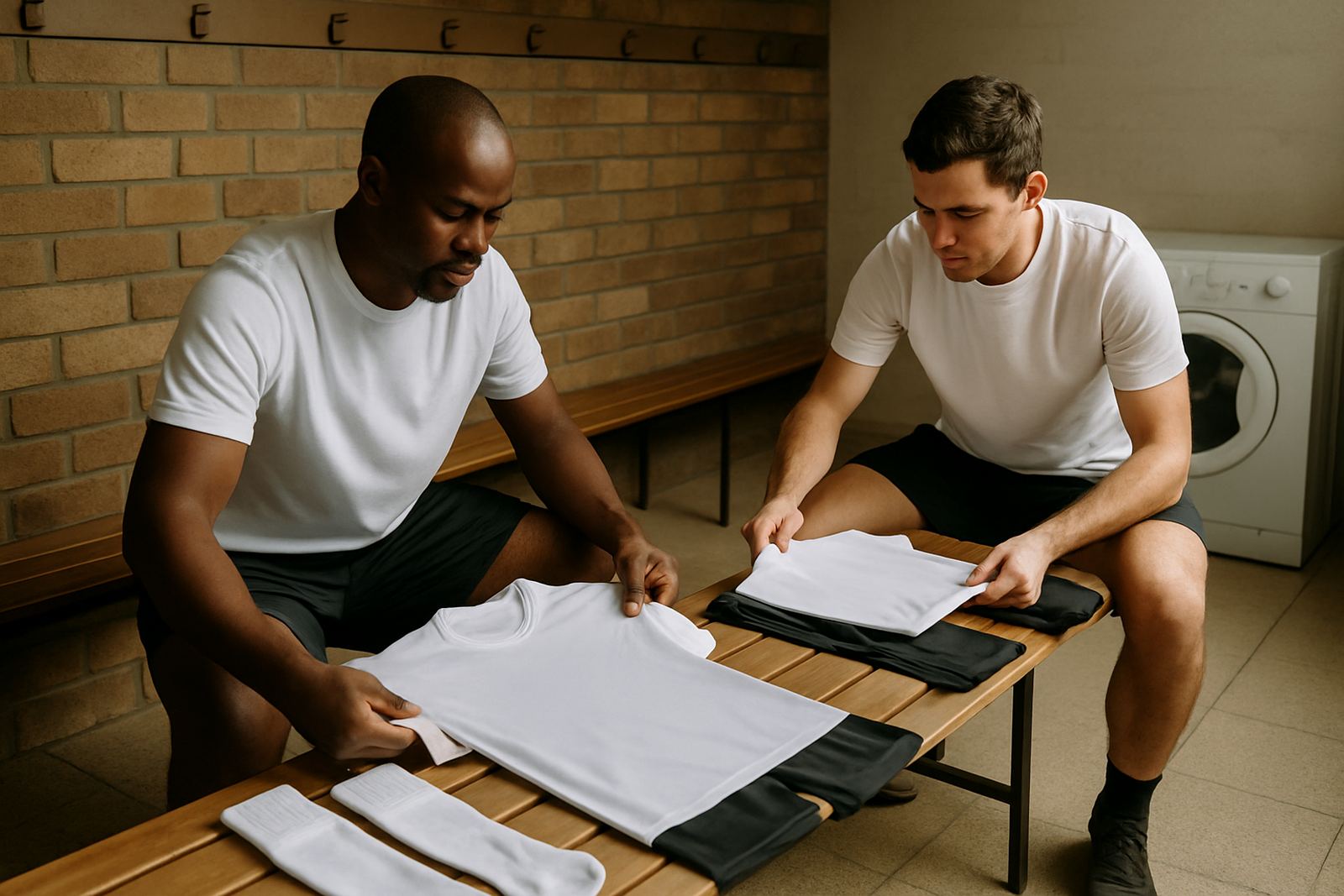
- Approve a sample before printing the full order
Common mistakes that cost time and money
One of the biggest mistakes is using the wrong ink for the printer type. Another is assuming all polyester behaves the same. Some fabrics press well and others can show slight tone changes if the temperature, dwell time or paper feed is off. A rushed order can also lead to mismatched colours between batches, which is especially obvious when a club orders new shirts mid-season.
It is also easy to undercount extras. Teams often need spare player names, injury replacement numbers and a few training tops after the first delivery. If those are not included in the order plan, the second run may not match the first as closely as it should. Keep a simple stock record and note the settings used for each job so future repeats are quicker and cleaner.
- Mixing ink lines without checking compatibility
- Printing without a test strip or sample shirt
- Forgetting spare numbers and replacement kits
- Leaving stock too long in hot stores or direct sun
- Skipping nozzle checks after long power interruptions
Budget ranges for club orders in Rand
Budget depends on order size, print coverage and whether you are buying inks for short runs or for regular team production. A small club that prints sample shirts and a few replacement names may only need a modest ink spend each month. A busy shop handling school leagues, football clubs or netball programmes will need higher stock levels and better forecasting.
As a practical guide, many smaller operators work within a monthly ink budget from about R800 to R3,000. Medium-volume team wear production can sit between R3,000 and R10,000, depending on how many jobs are going through the printer. Larger trade accounts with ongoing kit orders may plan for R10,000 and up when tournament season starts. Courier costs and emergency top-ups should also be factored in so you are not caught short on a Friday afternoon before match day.
Getting repeat orders right across the season
Team kits are easier to manage when the process stays consistent from the first sample to the final restock. Keep the same colour reference, the same file names and the same heat settings where possible. That way a school, club or corporate team can reorder after six months and still get the same look, even if the job goes through a different operator.
Our Johannesburg base in Kya Sand supports trade buyers who need ink advice, stock planning and courier coordination. If you are serving local areas such as Randburg, Roodepoort, Midrand, Sandton, Pretoria or the East Rand, or sending orders nationwide, the goal is the same: keep the line moving, keep the colour steady and keep the team kits looking right from one season to the next.
- Use the same approved colour references for every reorder
- Store artwork details with the shirt sizes and quantities
- Schedule top-up stock before peak tournament periods
- Ask for help with compatibility checks when changing printers