What gift textile businesses usually need from ink
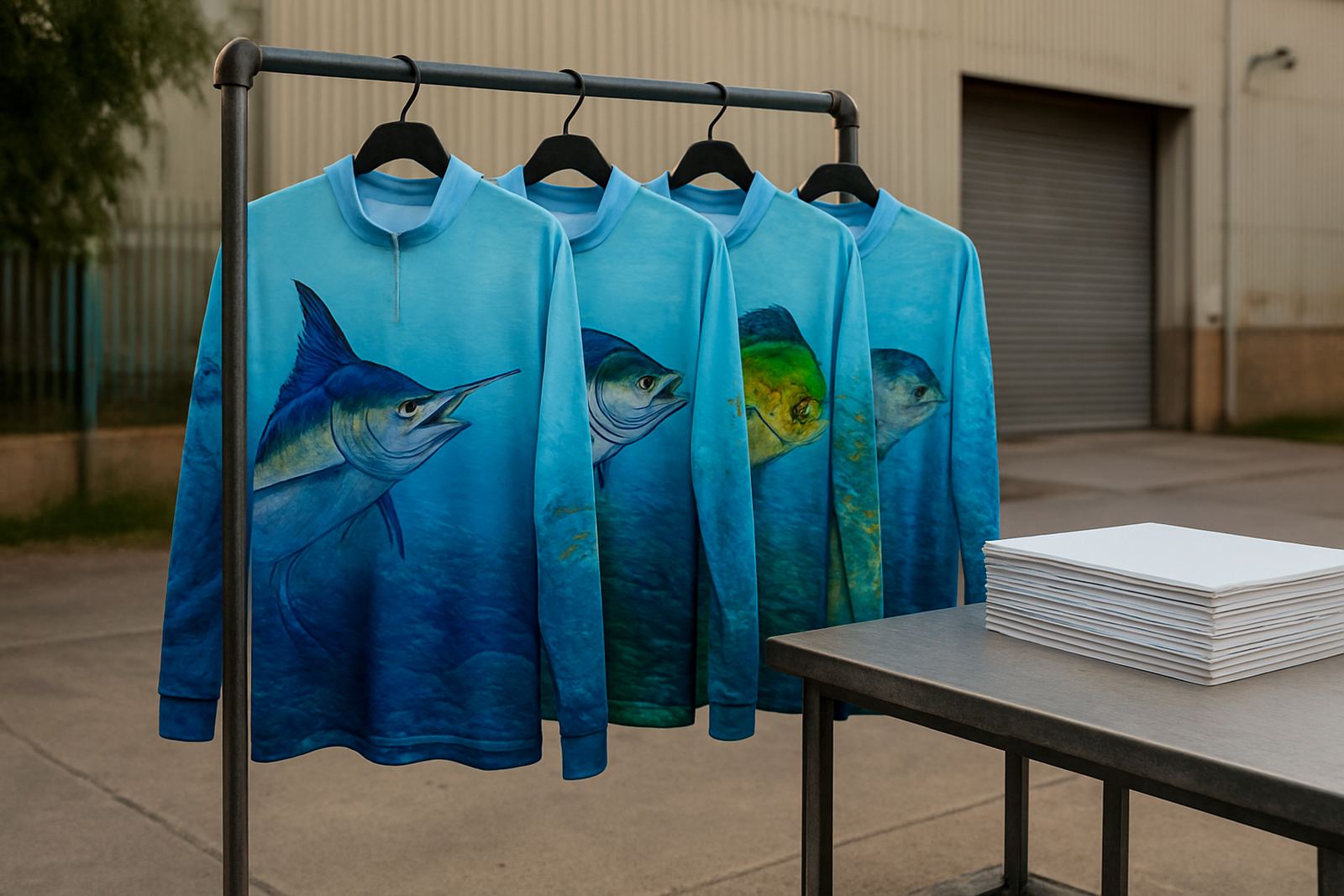
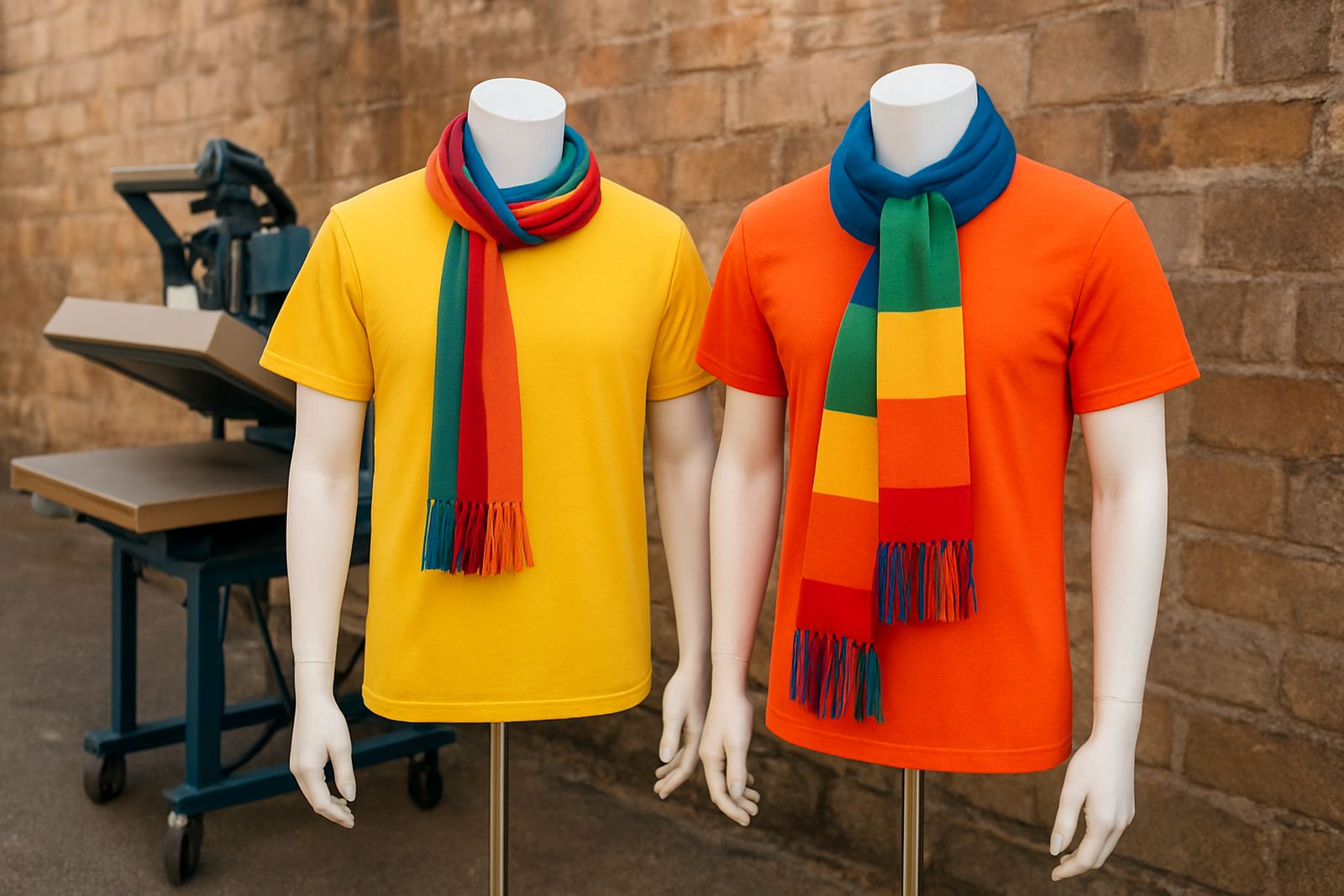
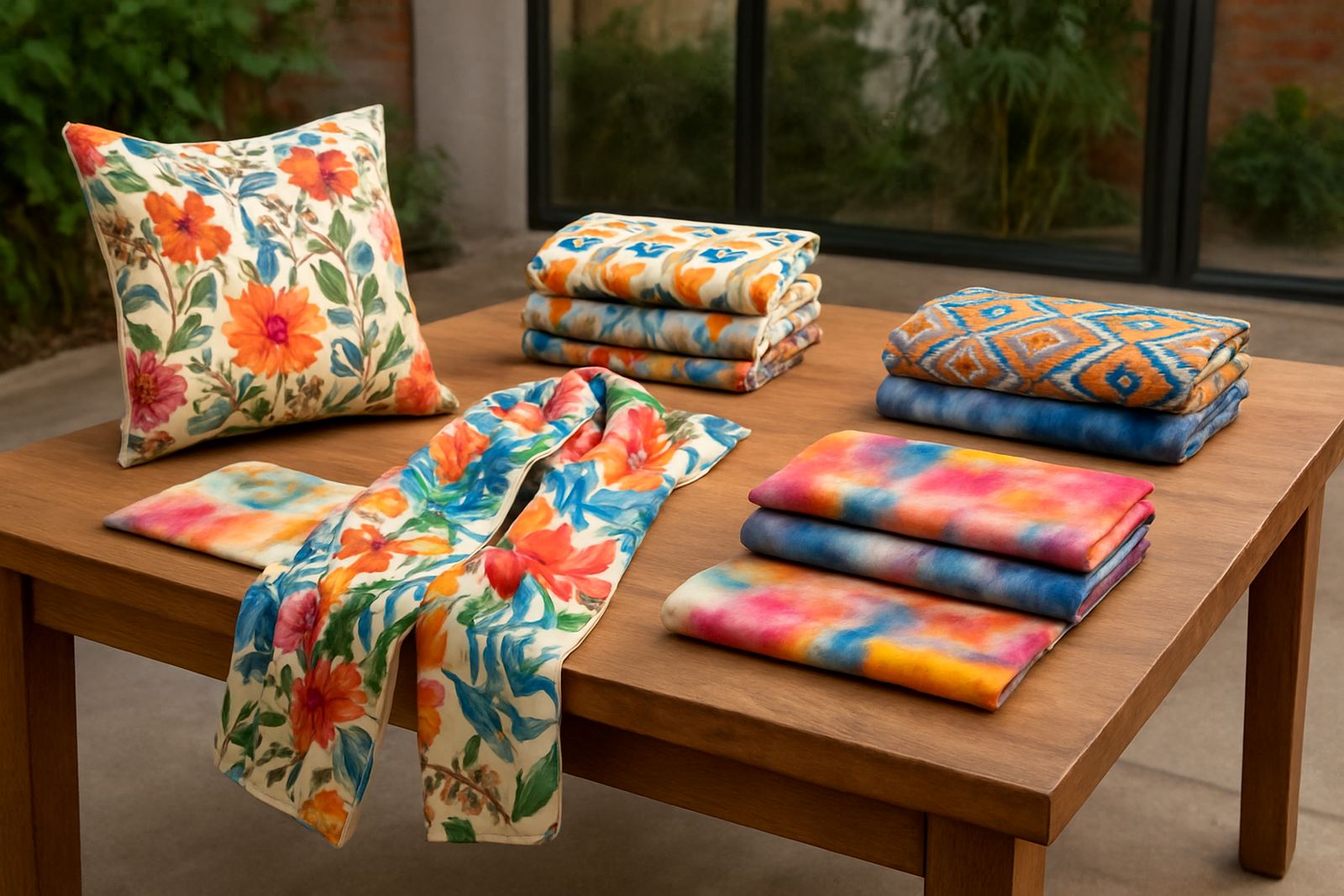
Gift textile work is often small-batch, but the standards are high. A customer ordering 20 personalised cushions or a run of branded scarves expects clean colour, sharp detail and repeatable results from the first sample to the final order. That means your ink has to perform well on a wide range of transfers, from light fabric panels to decorative inserts and trim pieces.
In practice, most gift textile businesses are balancing speed, colour control and stock planning. Some print in a home studio or small workshop in Randburg, while others run a mixed operation with heat presses, cutters and sewing machines in Roodepoort, Midrand or Pretoria. If your team is handling custom dates, names or event graphics, you need inks that give reliable output without wasting fabric or paper.
We help trade customers choose ink for the type of work they actually do, not just the printer on paper. That includes guidance for desktop units used by startups and wider machines used for higher daily volume. It also helps to plan around load-shedding, because interrupted power can affect production timing, colour checks and handover schedules.
Typical equipment used for cushions, scarves and fabric gifts
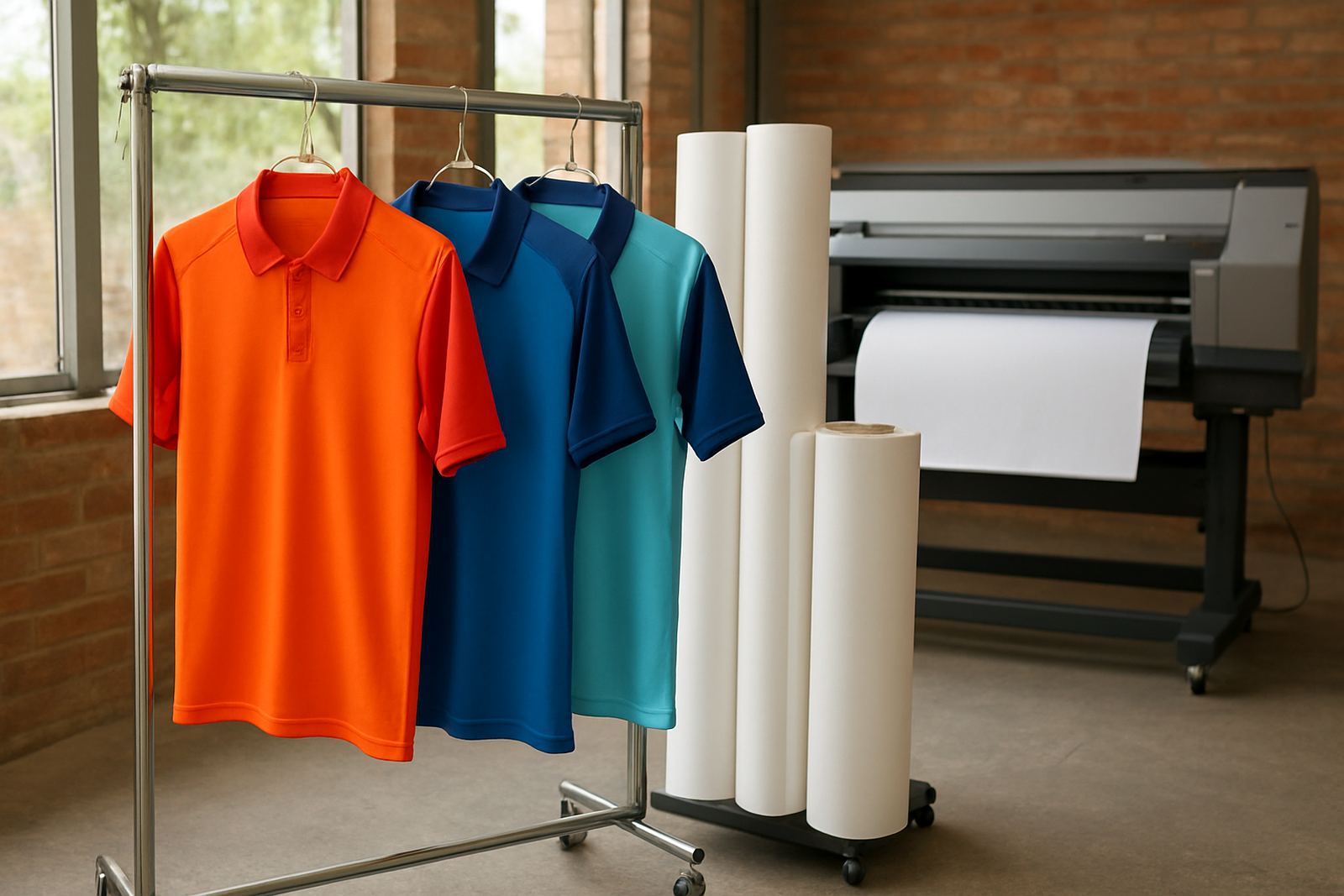
Most gift textile setups use a fairly similar base, even when the products differ. The printer size, heat equipment and workflow should match the volume of orders and the finish you want to deliver. For many South African businesses, a clean, organised setup matters as much as the ink itself, especially where space is tight and staff are moving between printing, pressing and packing.
- Desktop sublimation printer for short runs and sample work
- Wide-format printer for larger repeat orders or repeated artwork
- Compatible ink system matched to the printer model
- Heat press for flat items, panels and finished fabric blanks
- Cutting tools, measuring equipment and pressing sheets
- Line cleaning supplies and refill tools for routine maintenance
- Dry storage for paper, blank textiles and finished stock
For cushions and scarves, colour consistency matters more than most people expect. Soft goods can show uneven heat, fibre differences or stitching shadows if the layout is rushed. That is why many customers ask for sample order assistance before moving a new design into full production. A small test run can save a lot of rework, especially when the order includes multiple names or a mix of fabric colours.
How to plan your layout for cleaner production
A good layout reduces mistakes and keeps turnaround times steady. In a small workshop, the printer should sit close to the press and packing area, but not so close that heat and humidity build up around the machine. In coastal areas this matters even more, because moisture can affect paper handling, storage and drying behaviour. In Johannesburg and surrounding areas, dust control is often the bigger issue, so covered storage and regular line checks are important.
Think through the flow before peak season starts. Keep your most used inks, blank stock and packing materials within easy reach. If your business does school events, boutique gifts or wedding orders, group similar jobs together so you do not keep changing settings between runs. A little planning can keep the team moving without constant interruptions, and it makes stock planning simpler too.
- Separate incoming blanks from finished goods
- Label ink bottles by colour and batch
- Keep a test print file ready for quick checks
- Leave space near the press for cooling and inspection
- Store spare paper and refills away from sunlight
If you are trading from Kya Sand, Sandton, Midrand or the East Rand, it also helps to plan courier pickups around your production schedule. That way you are not left short on a busy Monday when a corporate gift order lands unexpectedly, which happens more often than people think.
Common mistakes when printing gift textiles
One of the most common mistakes is using ink that is not matched to the printer or to the type of work being done. Another is pushing colour too hard in an attempt to make it brighter, which can lead to over-saturation, muddy detail or wasted material. On soft gift items, the result can look fine on the screen but uneven on the finished product.
Many businesses also underestimate maintenance. If a printer is left idle for too long, lines can start blocking and the first batch of the week may need cleaning before production can begin. That costs time and creates stress when the order is due the same afternoon. A simple cleaning routine and regular use are often enough to keep things stable, but it has to be done consistently.
Another issue is poor stock control. Gift textile work often includes rush orders, so if you only keep a few bottles on hand you can be caught short during a busy spell. We advise trade customers to review weekly usage and keep a buffer for repeat colours. It is better to carry a sensible reserve than to lose a weekend order because one shade ran out.
Budget ranges for gift textile production
Budget planning depends on whether you are starting with a small desktop setup or running a broader production line. For a startup focused on personalised cushions and small gift runs, the initial outlay can be quite manageable if the printer and press are already in place. For a business serving shops, events and repeat trade accounts, the budget rises with wider print capacity and higher ink usage.
As a working guide, a starter gift textile setup may begin from around R18 000 to R45 000, depending on equipment condition, press size and how much ancillary kit you need. A more active small business can move into the R50 000 to R120 000 range once production support items, extra stock and backup consumables are included. Larger operations can run well above that, especially if they need a higher output machine and more frequent replenishment.
Ink costs should also be treated as part of the production plan, not just a purchase on the day. If your orders are seasonal, say around year-end gifting or corporate campaigns, it makes sense to plan by volume and not by guesswork. We can help with bulk order support, stock planning and advice on what to keep on hand for normal turnover and for busier weeks.
How we support trade customers across South Africa
Our base is in Kya Sand, Johannesburg, and we work with gift textile businesses from local areas and further afield. Many customers use our enquiry form to ask about ink selection help, compatibility checks, colour troubleshooting and refill guidance. That is useful when you are matching products to a desktop printer, a wider machine or a mixed workshop setup with more than one line of work.
We also assist with consistency advice, line cleaning advice, startup print advice and courier coordination. If you are based in Randburg, Roodepoort, Midrand, Sandton, Pretoria or the East Rand, we can help get stock moving quickly. For nationwide customers, courier turnaround is straightforward and many orders are sent out for next-day delivery where possible.
The team behind the counter understands trade pressure. Thabo Maseko oversees the business, with Palesa Nkosi on sales, Pieter van der Merwe handling technical matters, Yusuf Moosa on customer support, Elmarie Kruger managing the warehouse and Bongani Shabalala coordinating logistics. That structure helps when you need a straight answer on compatibility, quantity or the next refill, without wasting time.