Why a Small Proof Saves a Large Order
When you are printing for schools, clubs, small retailers or corporate work, the first garment should never be treated as a throwaway. A proper proof shows how the ink, fabric and heat press behave together before you commit to a full batch. That matters even more when the order is time-sensitive and the client wants the same shade across 20, 50 or 500 pieces.
In practical terms, proofing helps you spot three common problems early. First, the colour may look right on screen but land too dull or too strong on the fabric. Second, the garment may carry coatings, lint or moisture that changes the result. Third, your press settings may need adjustment for pressure, dwell time or temperature. Catching those issues on one shirt is far cheaper than redoing an entire production lot.
For many shops in Johannesburg, a proof is also a planning tool. If you know the first sample works, you can book press time with more confidence, order matching blanks and line up courier schedules without last-minute panic. It keeps the floor calm, which matters when load-shedding has already taken out part of the day and every hour counts.
What a Proper Proof Should Test Before You Start
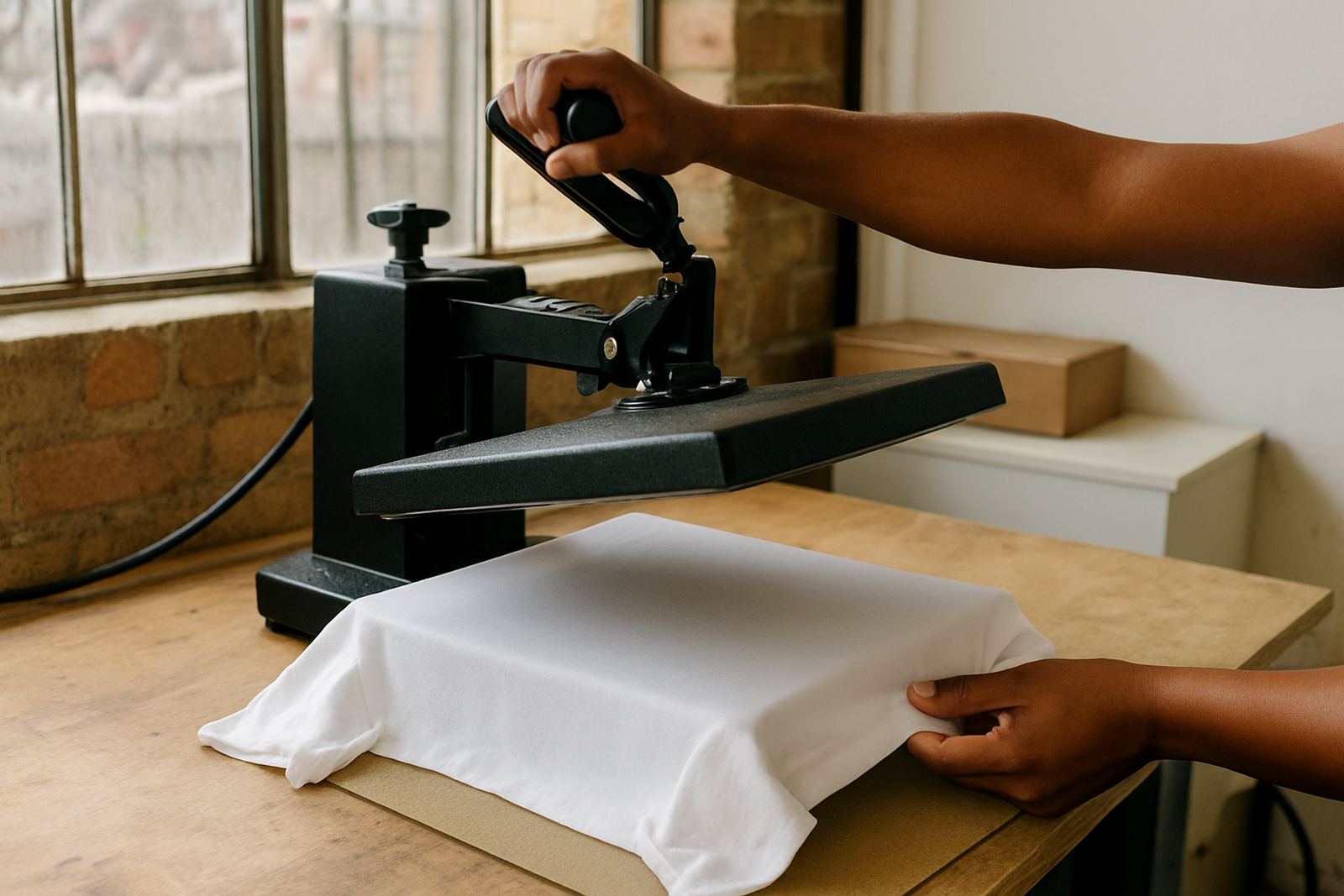
A proof is not just a quick press and a glance from across the room. It should test the parts of the job that can change the final outcome. That includes fabric type, garment colour, sizing, transfer placement and how the item handles after cooling. If the proof is rushed, it does not protect the order.
Before the full run, check the following points:
- Fabric composition and whether the garment is suitable for sublimation or a related print process
- Whether the blank has any sizing, lint or surface moisture
- Press temperature, pressure and dwell time used on the sample
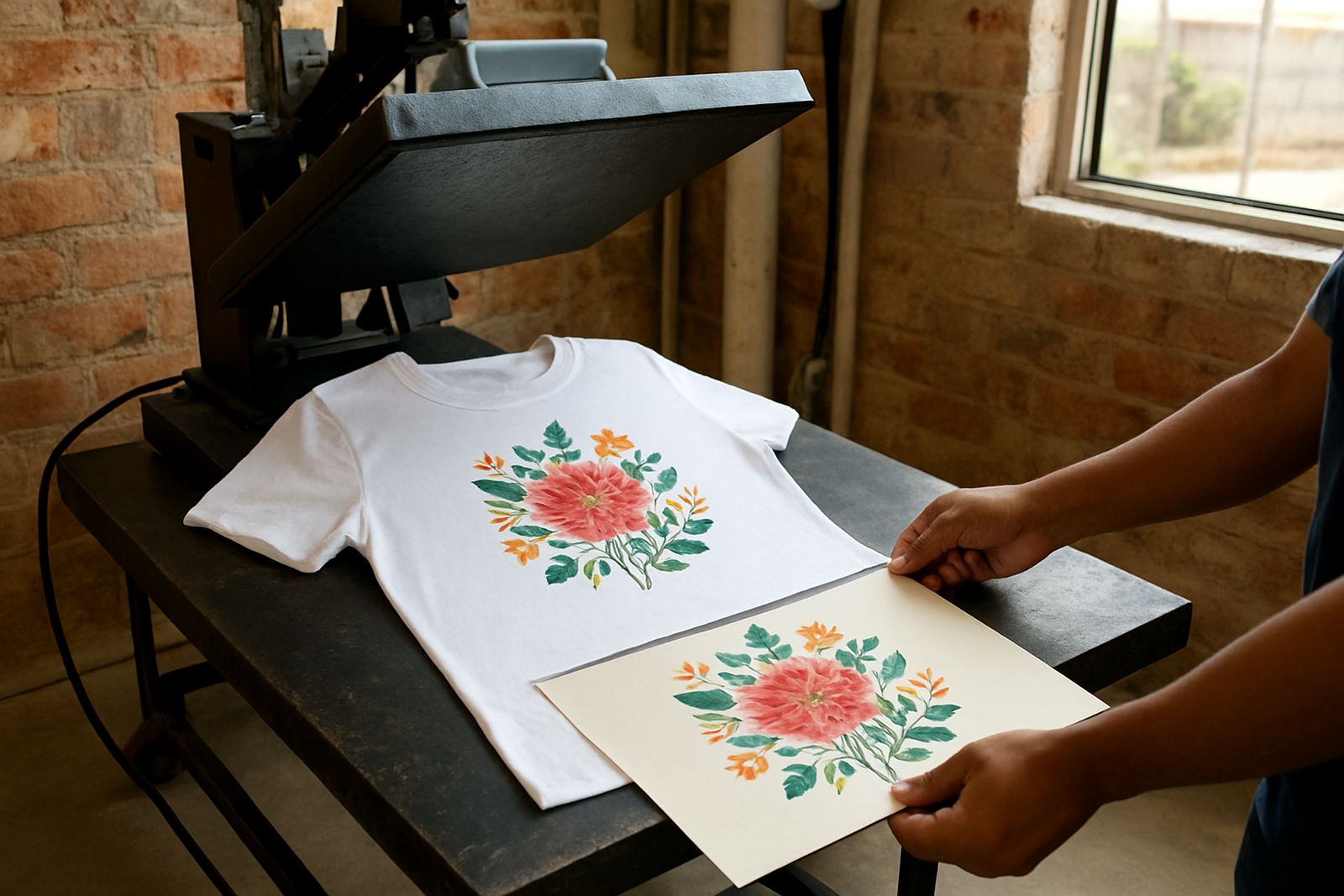
- Colour accuracy against the approved target or customer sample
- Placement on the garment, especially if the size range changes across the order
- Wash resistance or handling durability where the job allows for a quick test
If you keep written notes with each proof, your team can repeat the same settings on the next order. That is useful for trade customers who reorder every few weeks and expect the same result every time. It also helps when a different operator takes over mid-week and needs a clear reference, not guesswork.
Proofing Helps Control Margin on Busy Production Weeks
Margins get damaged by small mistakes. One misread colour, one heat mark, one batch that does not match, and the job starts eating into time, stock and labour. Proofing protects the order by making the expensive mistake happen on the smallest possible sample.
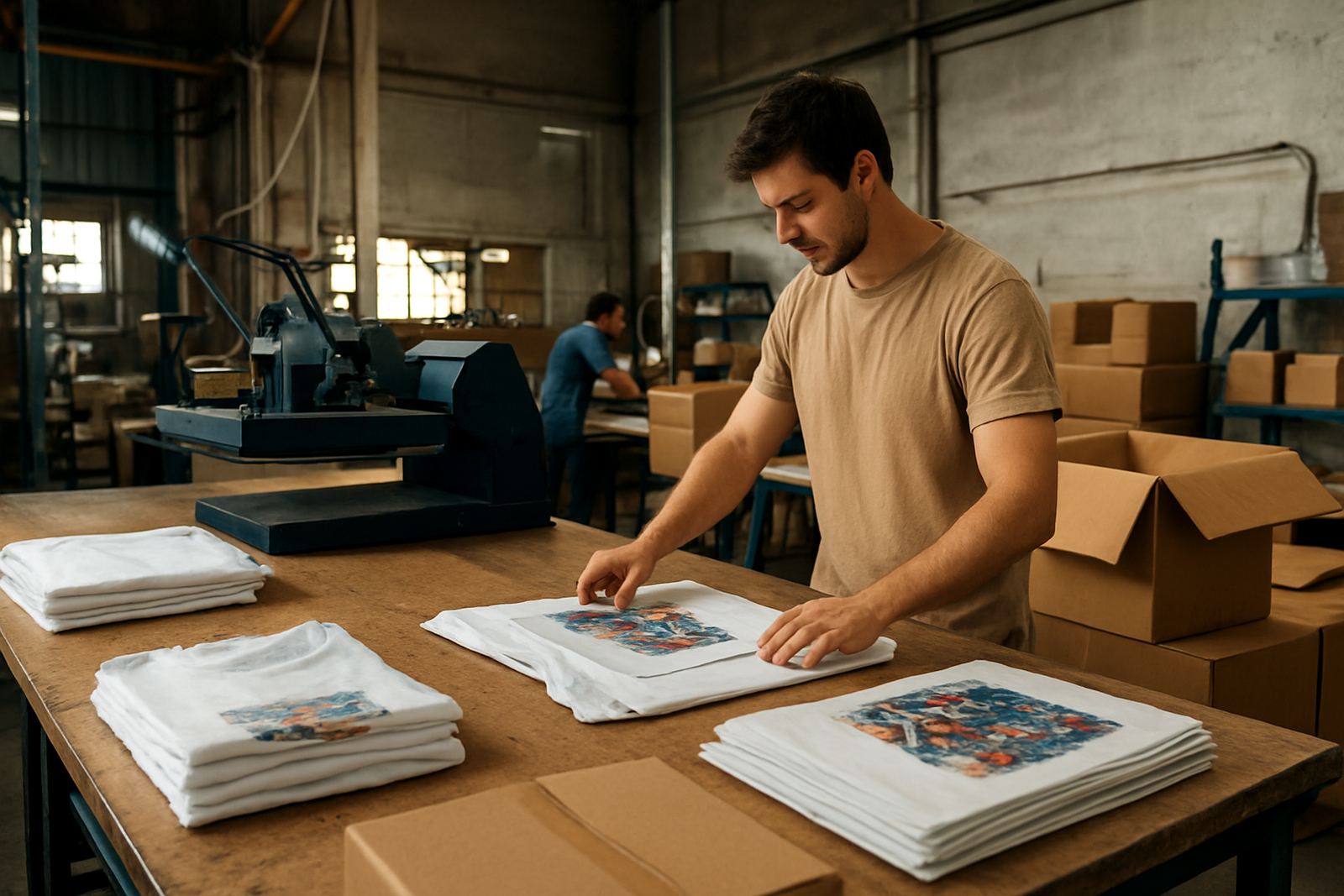
This is especially important for shops that juggle garment decoration, screen printing and mixed production. A manager may be trying to fit in a rush school order, a workwear restock and a single promotional run in the same week. Without a proof, the team can end up reprinting or replacing blanks while the courier is already waiting. That creates avoidable cost and delays payment from the client.
Good proofing also helps with stock planning. If the sample fails because the chosen blank does not respond well, you can switch before the bulk order lands on the floor. That means fewer boxes sitting around Kya Sand waiting for a second attempt and less pressure when the next day’s courier collection is booked.
- Use the proof to confirm the final blank before bulk cutting or sorting
- Record any colour correction needed so the whole run starts from the same base
- Separate approved sample pieces from test pieces to avoid mix-ups
Local Conditions That Change the Result
South African print rooms deal with more than just artwork and deadlines. In Johannesburg, dry winter air can affect static and handling, while summer humidity can influence storage and pre-press preparation. On the coast, moisture and salt in the air can affect how blanks are stored and how quickly they should be used after unpacking. Even in the same province, conditions can shift enough to change the proof.
Load-shedding adds another layer. When press timing, drying and workflow are interrupted, the team may have to restart a sequence or hold work over to the next slot. A strong proof gives you a known setting to return to, so you are not re-figuring the job every time power comes back. It also reduces pressure on staff who are already managing production around a moving schedule.
At our Kya Sand base, we often see trade customers preparing for next-day courier runs across Gauteng and beyond. A sample done properly in the morning can save a day of confusion later. If the colour is approved, the order can move to packing and dispatch with less risk of a return or a complaint after delivery.
A Practical Workflow for Small and Large Runs
The best proofing process is simple enough to repeat. Start with a single sample garment from the same batch as the final order where possible. Mark it clearly, note the settings used and keep the approved piece aside for reference. If the order is large, proof the first item in the run before the team commits to full-speed production.
For smaller operations, this can be done in stages. For larger enterprises, it helps to build proofing into the job card so no one skips it under pressure. A short check at the start usually saves more time than it costs. The aim is not to slow the business down. It is to keep production moving without avoidable rework.
Useful habits for a cleaner workflow include:
- Confirm garment size, colour and fabric before any transfer or ink is loaded
- Use the same operator or documented settings for the proof and the bulk run
- Store approved samples by client name or job number for later comparison
- Separate customer approval from internal testing so nothing gets mixed up
- Plan courier timing after the proof is approved, not before
Why Trade Customers Ask for Support on Proofing
Many trade customers do not need theory, they need clear guidance. They want to know which ink suits the job, whether the printer setup is compatible and how to avoid line blockage, dull colour or waste during a busy week. That is where proofing advice becomes part of day-to-day production support rather than a one-off fix.
For a startup in Randburg or a larger print house in Pretoria, the same principle applies. Proofing gives you a controlled checkpoint before the full order leaves the press. It is the point where a small correction is still cheap. Once the run is complete, every mistake costs more.
Good proofing discipline does not replace skill, it supports it. It gives the operator evidence, not guesswork, and helps the business keep its margins intact when deadlines are tight and clients expect neat, repeatable results.