Why rushed reorders cost more than the ink itself
When a print shop runs low without warning, the cost is rarely just the bottle on the invoice. There is the courier fee, the wasted time on the phone, the job that waits on the bench, and the pressure on the team to fix a problem that could have been avoided. In Johannesburg, where a same-day delay can ripple into the next delivery run, that pressure builds quickly.
For garment decoration, screen printing support work and other production jobs, inks should be tracked as part of the daily workflow not as an afterthought. If you only notice a low bottle when the last print is already on the machine, you are ordering from a position of weakness. That often means paying extra, settling for whatever stock is available, or splitting a batch across different inks that do not match as well.
Good stock control does not need to be complicated. It just needs to be consistent, especially where power cuts and busy courier schedules can interrupt a normal day.
Set simple refill levels before the bottle is empty
The best time to place an order is before the tank reaches the danger point. For many businesses, that means setting a clear refill level for each colour and each printer. The exact level will depend on usage, but the rule should be easy for everyone on the floor to follow.
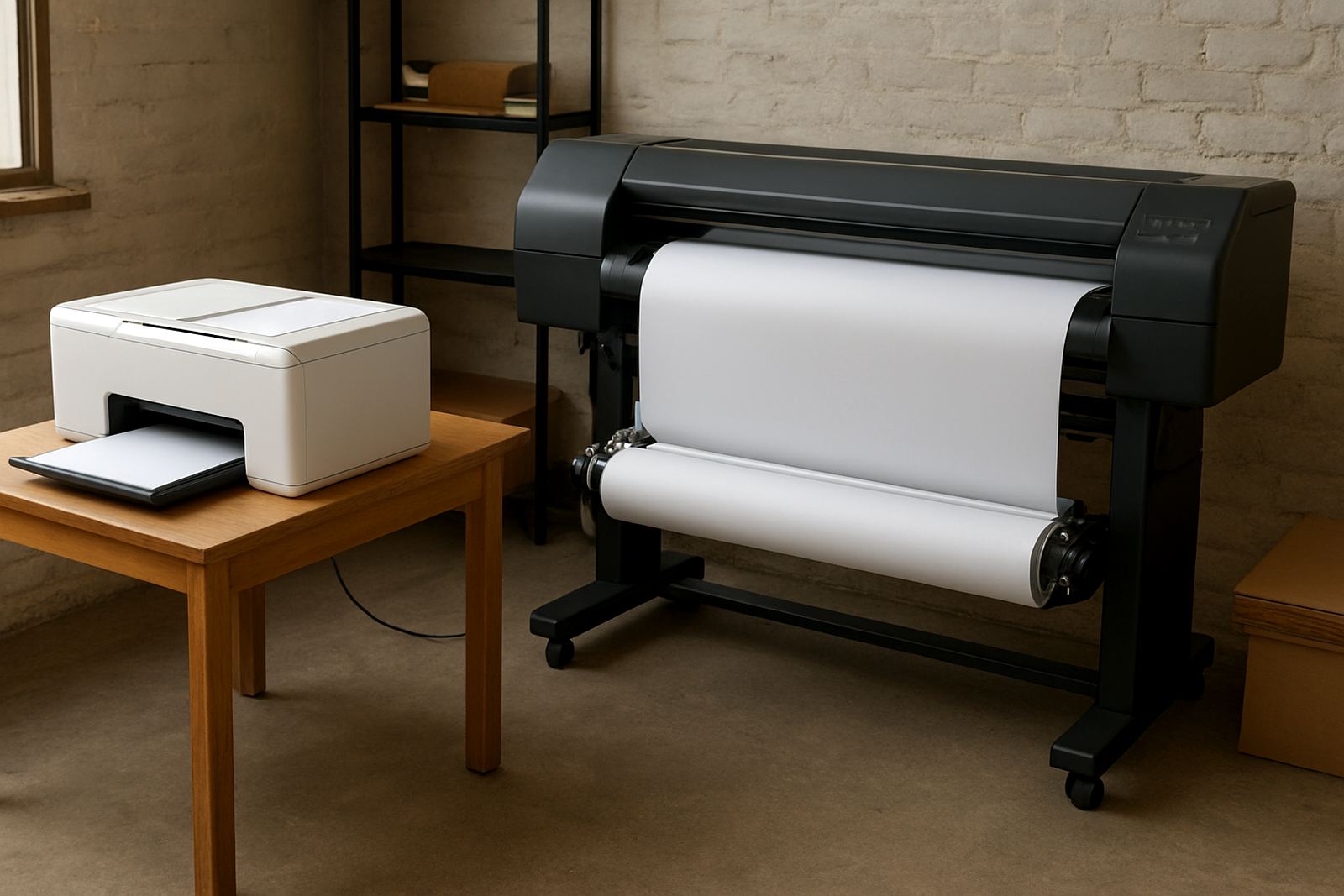
A small apparel printer using a desktop unit may need to reorder when the level drops to one third. A busy workshop running wide-format jobs may need a higher trigger point, especially if the machine runs most days and there is no spare set of inks on hand. The point is to remove guesswork.
- Mark a refill level for each colour so staff do not rely on memory.
- Check stock at the same time every day, ideally before the first run starts.
- Keep a written usage record for the busiest colours.
- Factor in courier lead time, especially for inland and outlying areas.
- Hold a small buffer for fast-moving jobs and repeat customer orders.
If your team works across shifts, make sure the same rule applies to everyone. A bottle that looks half full from one angle can still be too low to finish a run cleanly.
Match stock planning to the way your business prints
Not every print shop uses ink at the same pace. A startup doing short runs in Randburg will track stock differently from a larger operation in Midrand that handles repeat garment orders and longer production cycles. That is why stock planning must fit the way you work, not a generic formula.
If your business often takes urgent orders, you need a larger safety margin. If you do colour-sensitive work, keep enough stock to complete the full job batch with the same ink from the same supply lot where possible. This helps with consistency, which matters when a customer wants the same red or blue across multiple garments or print runs.
It also helps to separate current stock from reserve stock. That way the team knows what is open, what is already assigned, and what is there for emergencies. A quick visual check on the shelf can save a rush order later in the week.
- Keep fast-moving colours easy to reach and clearly labelled.
- Store reserve stock in a dry, cool area away from direct sun.
- Use older stock first so bottles do not sit too long.
- Review consumption after busy periods such as year-end promotions or sports season jobs.
Watch for the early signs of a bottleneck
Most stock shortages start with small signs. A print operator may start stretching a bottle longer than usual, or a supervisor may notice that one colour is being topped up more often than the rest. If the same colour keeps causing interruptions, that is a signal to review your ordering pattern.
Another warning sign is when jobs are being scheduled around ink availability instead of customer demand. Once that happens, production starts reacting to shortages rather than running on plan. A shop in Kya Sand or Roodepoort can lose an entire morning trying to recover from one missed reorder, and the next courier cut-off makes things even tighter.
Make it part of your weekly routine to ask three questions: What ran low, what was used faster than expected, and what needs reordering now? That short review can prevent a bottleneck before it forms.
Local delivery timing matters more than most businesses think
In South Africa, timing is not only about stock levels. It is also about where you are based and how the parcel needs to move. A next-day courier service is useful, but only if the order is placed early enough and the stock is confirmed correctly. If a business in Pretoria leaves the reorder too late on a Thursday, the weekend can easily turn into a production gap.
Load-shedding can add another layer of delay. If a printer is off for part of the day, the team may only notice low stock after the courier deadline has passed. That is why businesses should check ink levels before power interruptions, not after them. It sounds simple, but in practice it prevents a lot of rushed decisions.
Coastal humidity can also affect how stock is stored once it arrives, especially if bottles are kept near open doors or in warm rooms. Good storage habits help keep the ink ready for use, and that means fewer last-minute surprises when the workshop is under pressure.
How enquiry-based support helps teams stay ahead
Some businesses do not need more stock, they need better guidance on what to keep and when to order it. That is where proper support makes a difference. Through the enquiry form on the contact page, customers can ask about ink selection, compatibility, refill guidance, stock planning and colour troubleshooting before the problem becomes urgent.
A practical support process can help a team decide whether to place a small top-up order or a larger restock. It can also help with line cleaning advice, startup print advice and bulk order planning for companies that handle repeat production. For trade customers, that kind of help is often worth more than a quick sale.
Thabo Maseko and the team in Kya Sand work with businesses that need steady supply, and the goal is simple: keep the line moving and the stock level under control. When the right advice is paired with reliable courier coordination, the workshop can focus on the work instead of scrambling for replacement ink.