Why Heat Transfer Starts With Control
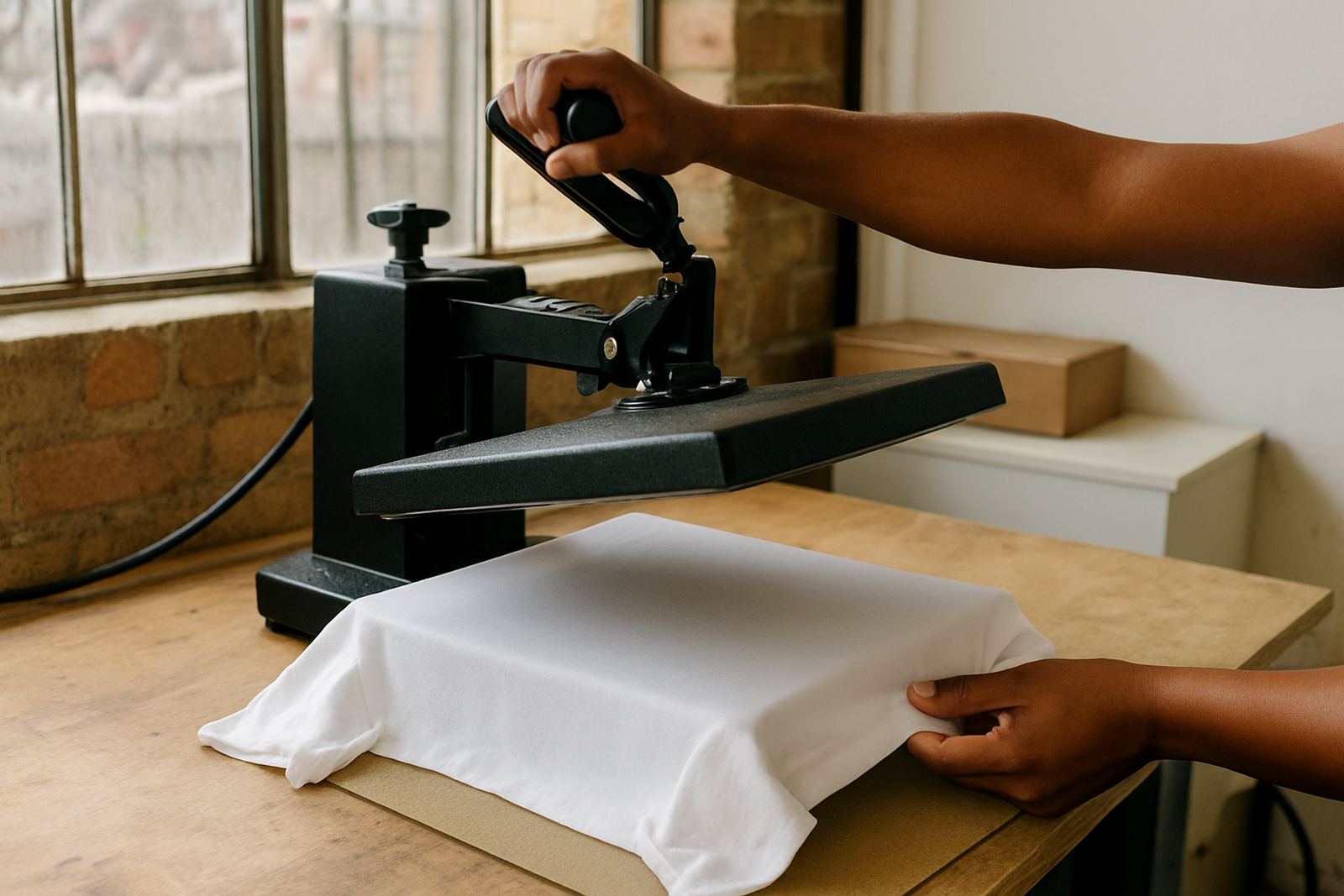
Heat transfer is not only about pressing harder or turning the machine up. The goal is to move ink cleanly into the substrate at the right temperature, for the right time and with even pressure across the full area. If a press runs hot on one side and cool on the other, the finished print can show faded corners, uneven colour and patchy coverage.
For garment decoration and other print work, the basics matter every day. In a busy Johannesburg workshop, a press may run for hours while the room temperature changes and the operator moves from one size job to another. Keeping a simple, repeatable process helps avoid reprints and saves stock.
Temperature, Pressure and Time Must Work Together
These three settings affect one another. A high temperature with too little time may leave colour sitting on the surface. Too much time can flatten fibres, dull the finish or leave a ghosted edge. Pressure that is too light often gives weak transfer, while too much pressure can distort the substrate or leave press marks.
- Check the actual platen temperature, not only the display setting.
- Use the same pressure setting for repeat jobs where possible.
- Time each press cycle with a timer, not guesswork.
- Allow the press to recover after long runs so the next sheet gets the same heat.
On smaller presses, the first few pieces of the day may behave differently from later runs if the machine has not stabilised. That is why setup and warm-up time matter before a production batch starts.
How South African Workshop Conditions Change Results
Local working conditions can affect transfer quality more than many shops expect. In Kya Sand, Randburg and Midrand, dust from industrial areas can build up on pressing surfaces and on artwork. Near coastal areas, humidity can affect paper storage and the way blanks behave before pressing. In winter, cold mornings can also slow down recovery on some machines.
Load-shedding adds another layer. When power cuts interrupt a production day, presses may cool down and then cycle back unevenly when the power returns. If your workflow includes pre-heating, test presses and a reset of the timer after a cut, the next run is more likely to stay consistent.
- Store transfer paper flat and away from damp areas.
- Keep blanks sealed until you are ready to press them.
- Clean platen surfaces often, especially in dusty work areas.
- After power interruptions, recheck heat and pressure before resuming production.
Choosing the Right Ink for the Job
The ink has to suit the printer and the application. Desktop units and wide-format printers do not behave the same way, so colour handling, line control and drying speed should all be considered before a production run. For garment decoration, screen printing support work and similar trade applications, the goal is strong colour with stable output from batch to batch.
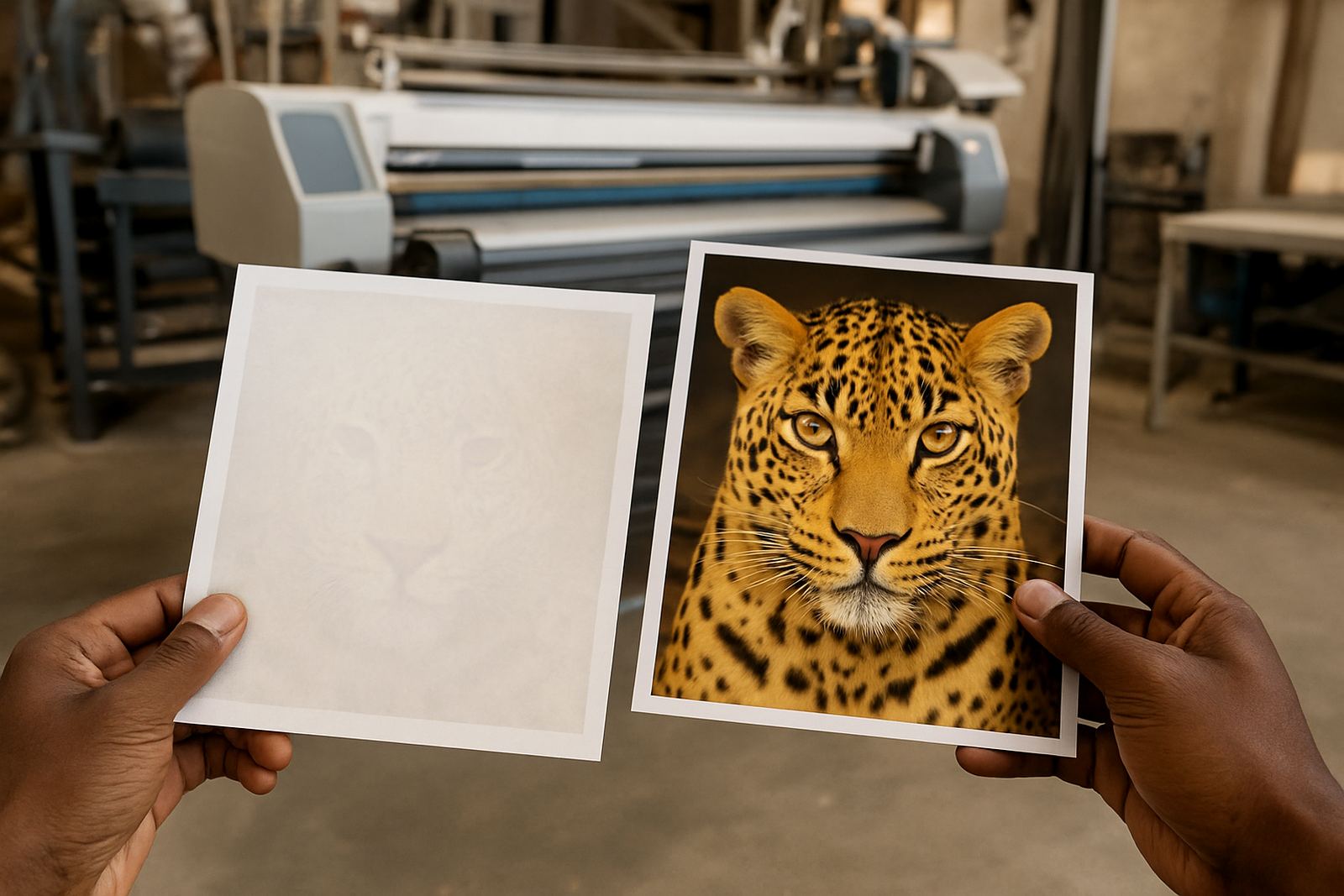
Matching the ink to the media and the transfer method helps reduce troubleshooting later. If the colour profile is off, a job may look correct on screen but still print with a weak blue, a muddy red or poor black density. That can become costly when you are filling a customer order of 50 or 200 units.
Our team often helps customers compare ink choice, printer type and job size before they place a larger order. That saves time and helps avoid stock sitting on a shelf because it does not fit the machine or the job style.
Press Checks That Save Reprints
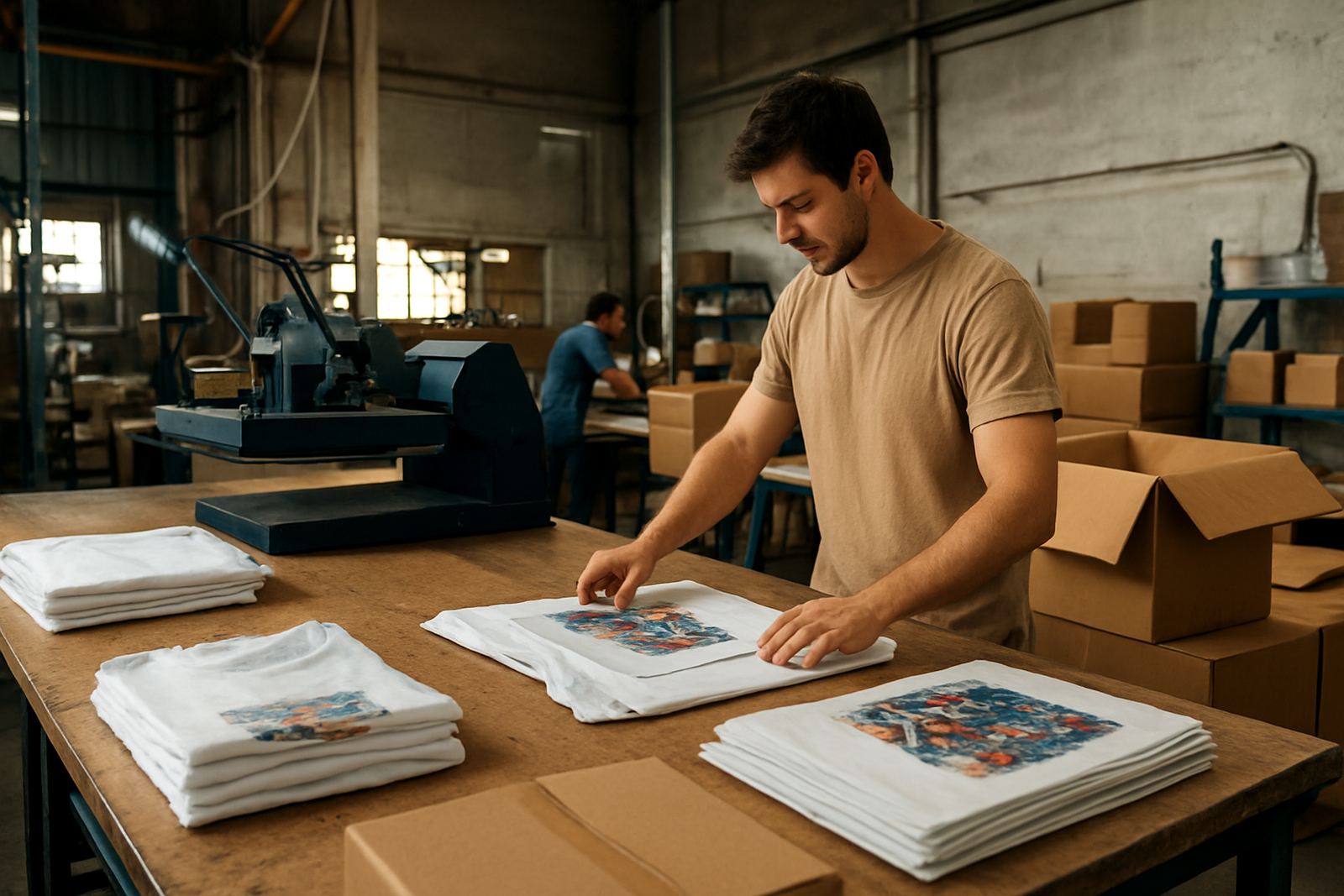
A few quick checks before production can prevent a full batch from being wasted. Start with the platen surface, then check the substrate, paper placement and the print itself. If the first sample is off, stop and correct it before the rest of the run continues.
- Make sure the garment or blank is free from moisture and lint.
- Confirm that the image is aligned correctly before pressing.
- Use a test sheet when changing paper, ink or substrate.
- Inspect the first finished piece in daylight if possible.
Some shops rush the first item and then discover a problem after the tenth or twentieth transfer. A short pause for a check is usually cheaper than wasting stock and redoing labour.
Practical Advice for Small Shops and Trade Customers
Smaller print shops often need a simple routine that can be followed by more than one operator. Keep your temperature, pressure and time notes in one place, and record which blanks, papers and inks were used for each job. That makes it easier to repeat the same result next week or next month.
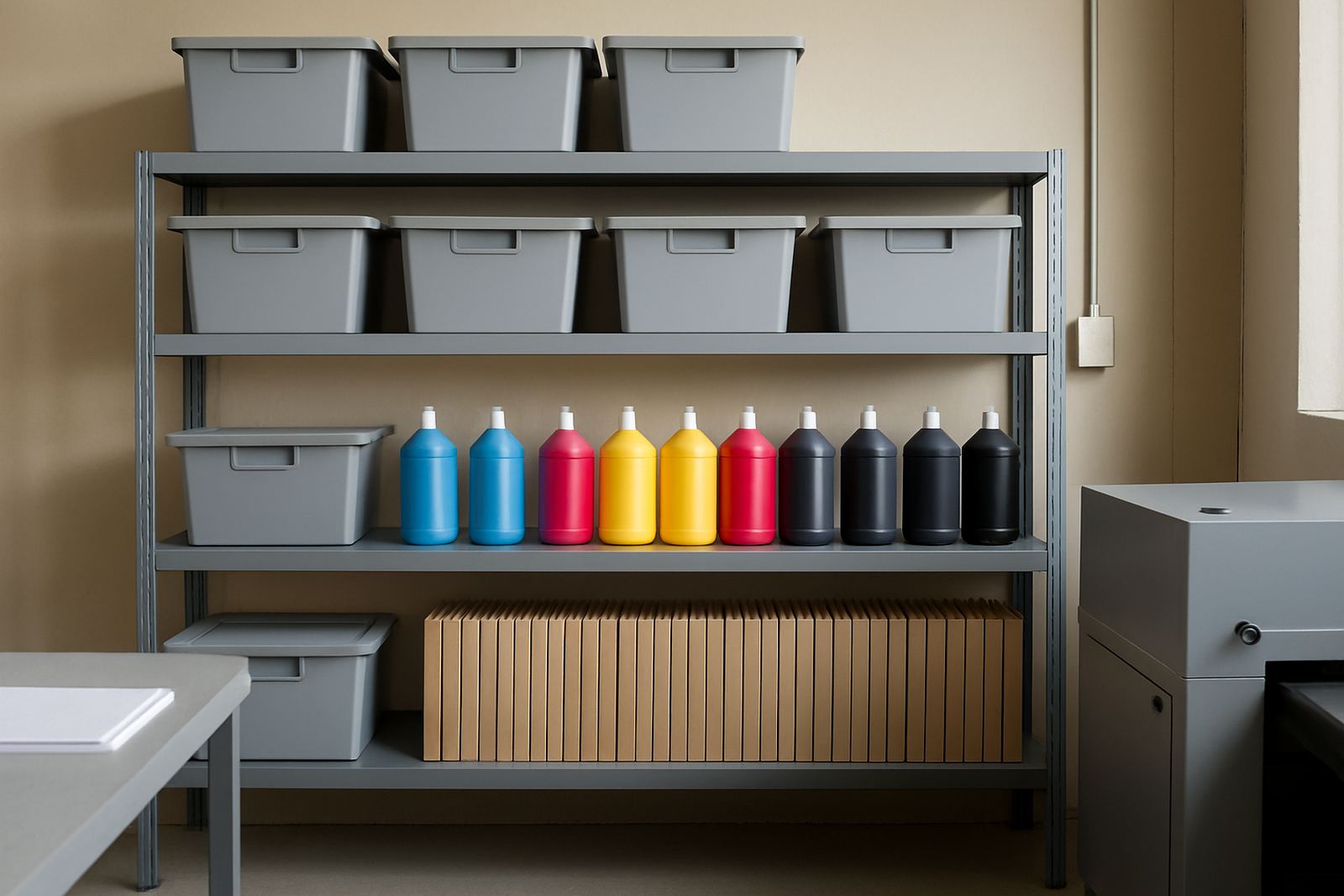
For trade customers, planning stock matters too. If you know a monthly run is coming, it helps to review usage before the order is urgent. A few extra litres or bottles on hand can prevent downtime when courier schedules or public holidays delay restocking.
In Johannesburg and surrounding areas, many businesses now work on tighter turnaround times. That means fewer chances to correct a problem after the fact. A clean workflow, sensible stock levels and proper machine checks keep the press moving and the finish more dependable.
When to Ask for Support Before a Run
If colour is drifting, the transfer is patchy or the same setup gives different results on different days, it is worth checking the process before the next batch starts. Compatibility questions, refill guidance and line cleaning advice can save time when the order is already in hand.
At our Kya Sand base, we work with customers who need practical help for desktop printers, wide-format machines and regular trade production. Whether you are doing a small startup run or a larger order for nationwide delivery, the aim is the same: stable results, less waste and fewer surprises.
Reliable transfer results depend on stable heat, pressure and time across each run. Once those three are under control, the print room becomes much easier to manage.
Local Example: A Repeat Order in Randburg
A Randburg print shop doing seasonal garment orders may start with one test press in the morning and then move into a long production run. If the first shirt is pressed when the machine is still warming up, the next ten may look slightly stronger once the platen is fully stable. That difference can be enough to create a mismatch across the order.
By warming the press properly, checking the platen with a simple temperature test and keeping pressure unchanged, the shop can keep colour more even from the first piece to the last. That kind of control matters when the same client returns the following month and expects the same finish again.