Start with a true stock count, not a rough guess
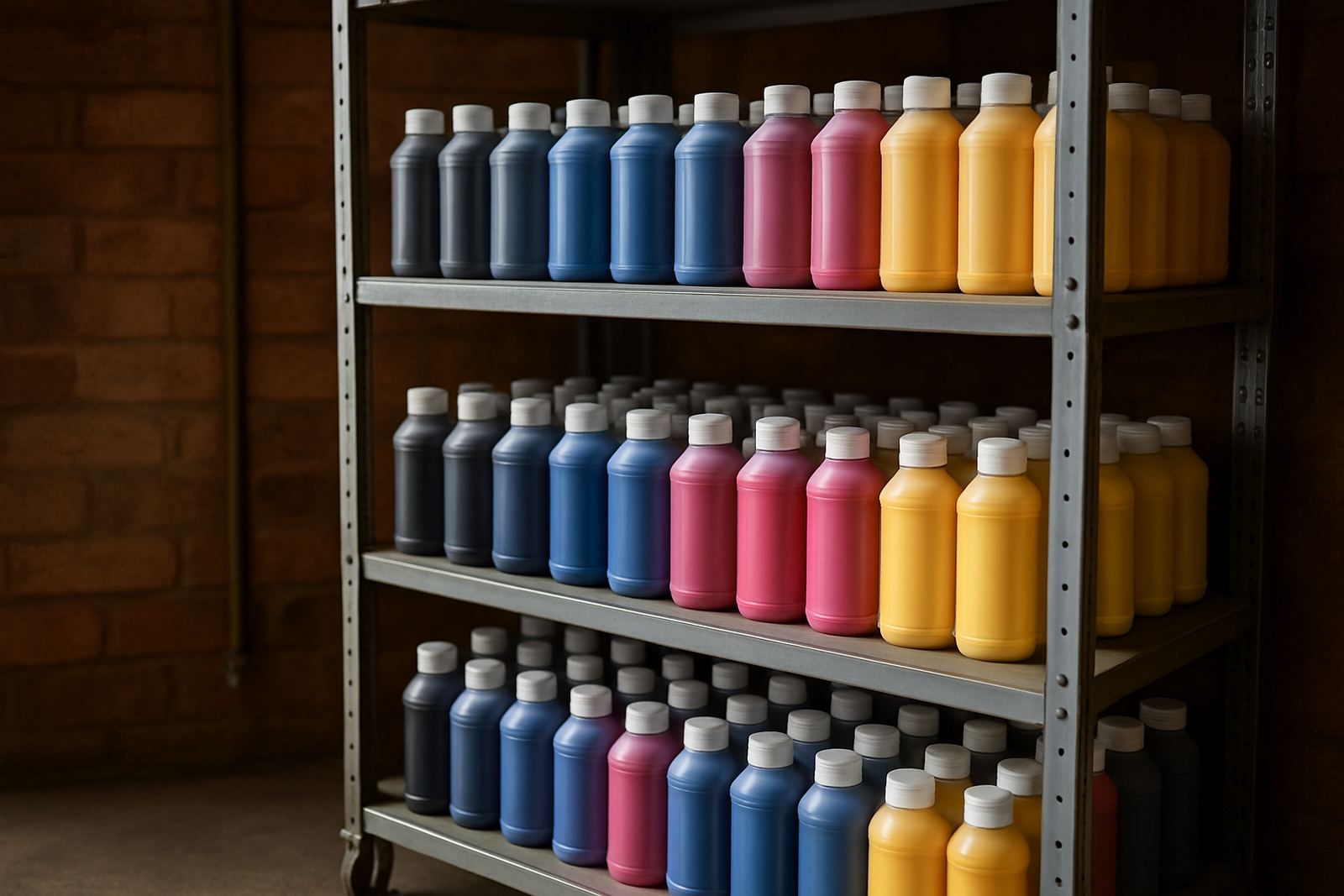
If you want inventory to stay simple, begin with what is actually on the shelf. Count every litre, litre bottle, half-used bottle, cleaning item and spare line item, then write it down in one place that everyone uses. In a small Kya Sand workshop this can be done in an hour or two, and it is worth doing before the week gets busy.
Good stock control is not about making things complicated. It is about knowing your real numbers so you do not order too late or end up with product sitting for months. That matters in Gauteng where power cuts, rush courier bookings and month-end pressure can all affect production plans.
- Separate opened stock from sealed stock
- Count by product, not by vague colour group
- Record the date each item was opened
- Keep one shared stock list for the whole team
Set reorder points that match your real usage
Every print business uses ink differently. A shop doing short runs for corporate wear in Sandton will not consume the same volumes as a Garment decoration team handling bigger production batches in Pretoria. That is why reorder points should be based on what you use per week, not on a guess.
A practical method is to note average weekly use for each ink type and add a safety buffer. If a colour usually lasts three weeks and courier lead time is one day, set the reorder point before the bottle reaches its last quarter. In rainy months or during long weekends, give yourself extra room so you are not waiting on deliveries when work piles up.
- Watch for your fastest moving black and process colours
- Keep a higher buffer for high turnover items
- Use a simple minimum level on the shelf label
- Review reorder points after busy seasons
Use first in, first out to cut waste
Old stock is where waste starts. First in, first out means you use older stock before new stock, which helps avoid bottles that sit too long and lose consistency. This is especially useful for businesses working in humid coastal conditions or stores with mixed temperature areas, because storage conditions can affect how long stock stays in good shape.
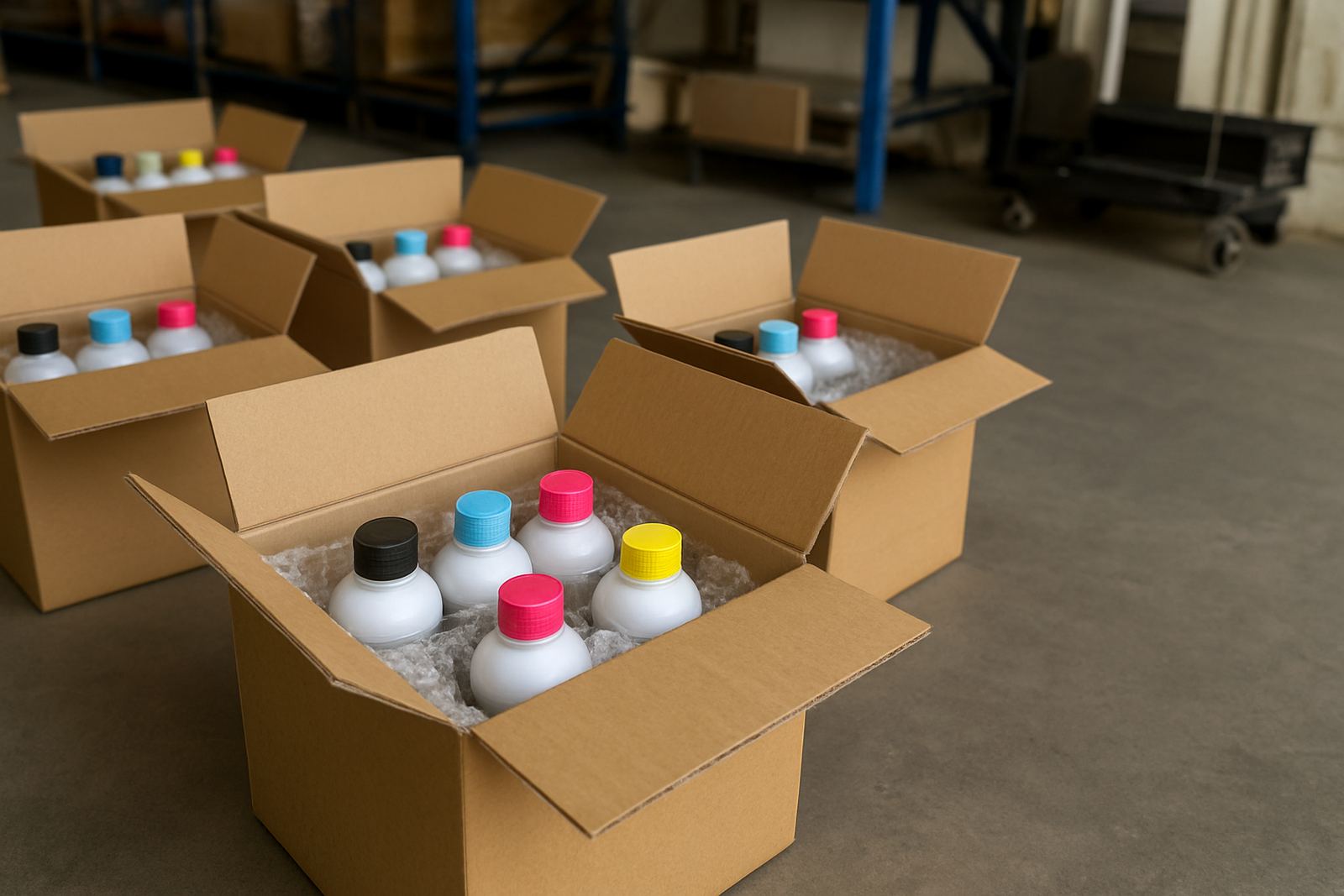
Do not hide new deliveries in front of older bottles. Put the latest stock behind the existing stock and make sure the warehouse team follows the same rule every time. It sounds small, but in practice it can save a lot of money over the course of a year.
- Mark delivery dates clearly on every carton
- Keep older stock at the front of the shelf
- Store bottles upright in a cool dry area
- Do a quick weekly rotation check
Match stock planning to jobs already booked
A simple inventory system works best when it is tied to real orders. If you know that a schoolwear run is due next week or a large screen printing order is booked for the month, you can plan the ink requirement before production starts. That reduces panic buying and helps the team avoid mixing up reserve stock with everyday usage.
At Sublimation Ink, many customers use the enquiry form on the contact page to ask for help with stock planning, compatibility checks and bulk order support. That is useful when a business in Roodepoort or Midrand needs a clear plan for the next few jobs and wants to avoid overbuying. One late delivery can throw off a whole week if the stock room is not organised.
- Link inventory checks to confirmed order dates
- Keep a separate note for rush work
- Set aside stock for repeat customers
- Review upcoming jobs every Monday morning
Keep the team aligned on storage and handling
Inventory is easier to manage when everyone handles stock the same way. If one person logs a bottle out and another person forgets, the count becomes unreliable very quickly. That is why training on storage, line cleaning advice and refill guidance helps just as much as the stock list itself.
In a busy Johannesburg base, a practical team can keep things running well with a few basic rules. Elmarie Kruger in the warehouse and Bongani Shabalala in logistics would tell you that clear handover notes save time, especially when courier collections and stock checks happen on the same day. Clear jobs mean less confusion and less wasted stock.
- Assign one person to update stock records
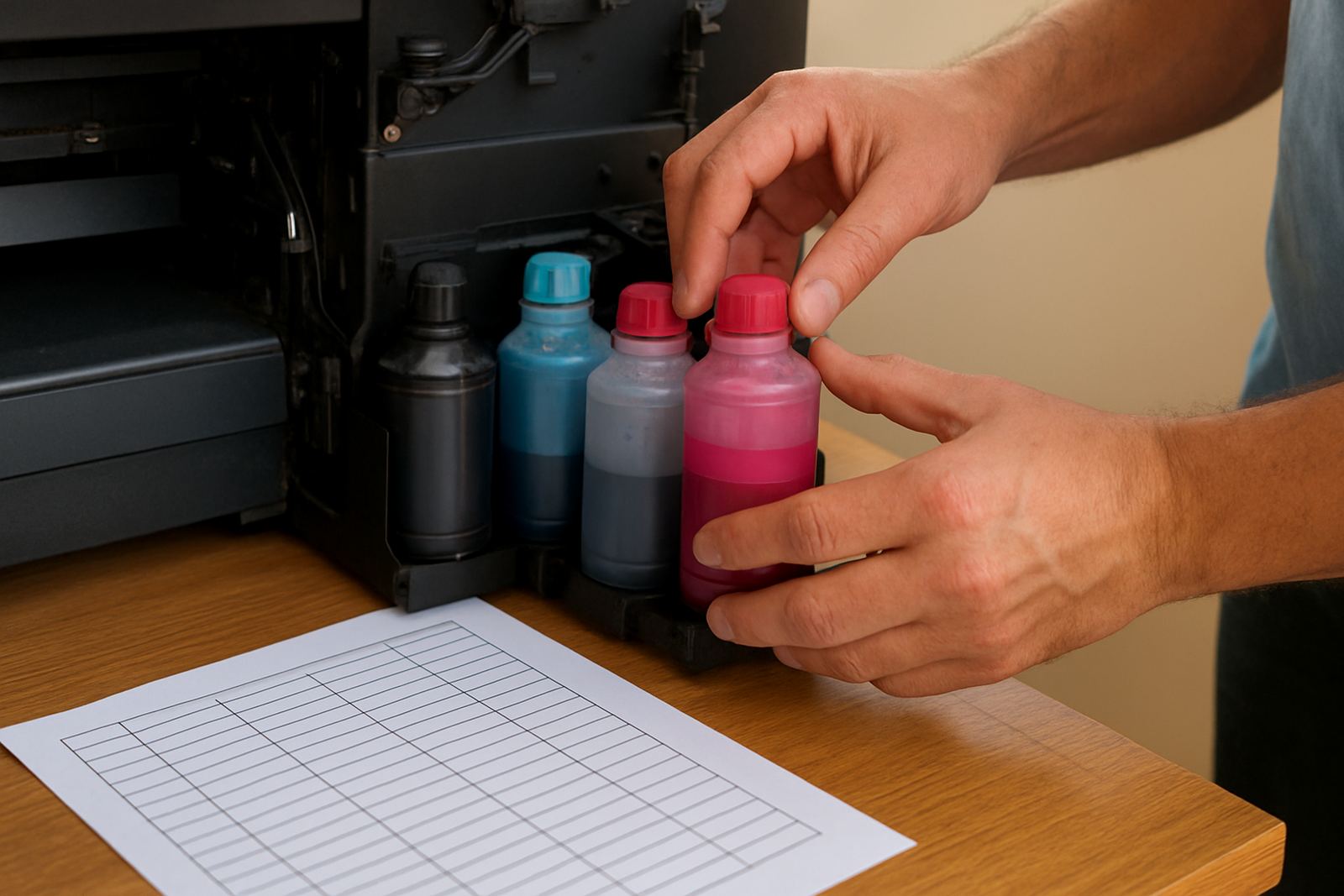
- Keep opening and closing counts on the same sheet
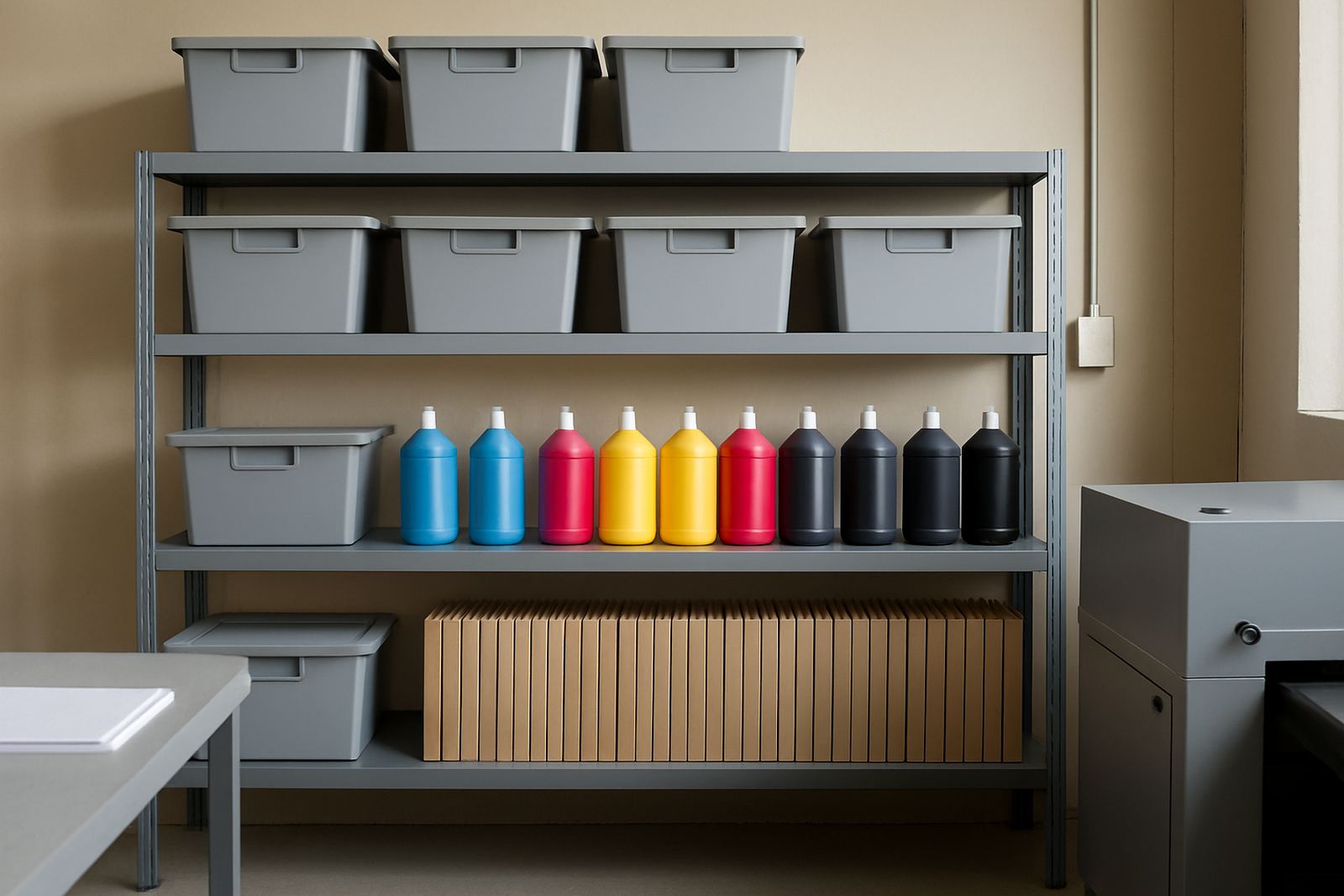
- Use simple labels for each shelf or storage area
- Train new staff before they touch live stock
Use local courier timing to plan smarter reorders
Next-day courier delivery nationwide makes inventory much easier to manage, but only if you plan around cut-off times and business hours. If your stock is already low on a Thursday afternoon, waiting until Friday can mean losing a full production day. In places like Randburg, Sandton, East Rand and Pretoria, same region planning still matters because local traffic and collection windows can affect when stock arrives.
The simplest approach is to keep a small safety buffer and place reorders before you are desperate. That way you can keep jobs moving, avoid expensive last minute changes and make better use of the space you already have. Straightforward inventory is not about buying more, it is about buying at the right time.
- Order before stock reaches the danger zone
- Allow extra time before public holidays
- Track what leaves the shelf each week
- Use courier timing as part of your reorder rule