Start With the Printer, Not the Calendar
There is no single refill interval that suits every shop. A small garment decorator in Kya Sand running a few A4 transfers a day will use ink very differently from a print room in Midrand pushing wide-format work from morning to late afternoon. The real question is not how many days have passed, but how much ink has moved through the system and how stable the machine is behaving.
As a rule, refill timing should be based on usage patterns, line condition and production scheduling. If you print in short bursts, your ink level can look fine for weeks and then drop quickly when a big order lands. If you run longer shifts, the level may fall steadily and need attention before it reaches the bottom of the tank. Waiting until a bottle is empty can interrupt jobs and create air in the lines, which is a headache to clear later.
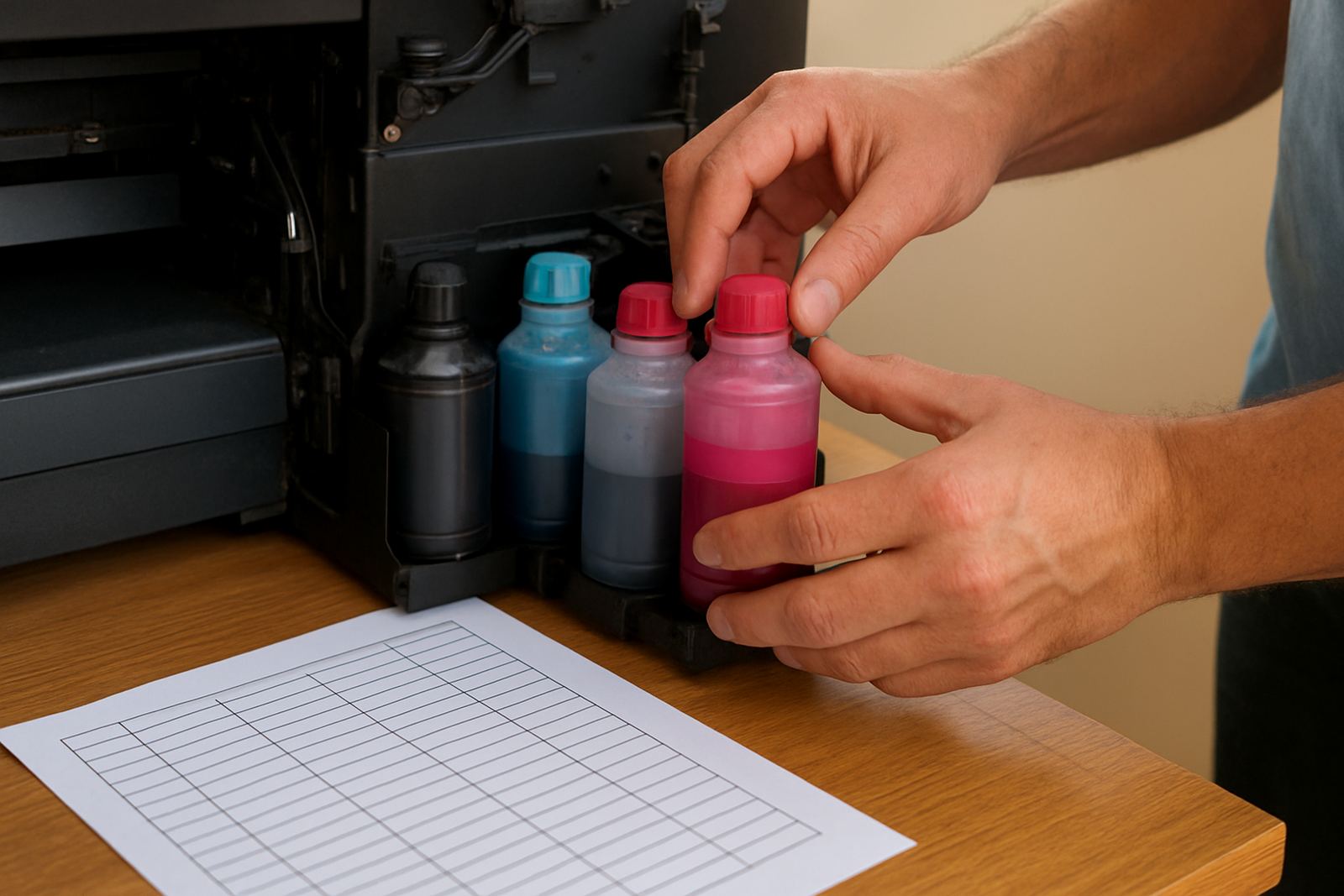
In practice, many operators check levels at the start and end of each shift. That takes less than a minute and helps you spot trends before they become a problem.
Watch the Signs That a Refill Is Due
The clearest sign is a visible drop in the tank or cartridge level, but there are other clues too. If colours start looking weaker on long runs, if you need to clean nozzles more often, or if the printer begins to pause during colour changes, the supply may be too low for the way the machine is being used. In some shops, the first warning is not the print itself but the sound of the pump working harder during cleaning cycles.
Do not wait for a faint print and then assume the ink itself is the only issue. Low supply can pull bubbles into the line, especially where the printer has been moved, or after a long weekend shutdown. Once that happens, the repair time can be longer than the refill time.
- Check ink levels before a long production run, not halfway through it
- Recheck after heavy cleaning cycles, since these use more ink than people expect
- Look for faded bands, missing detail or repeated nozzle drop-out
- Pay attention after transport, power cuts or long idle periods
Use Your Production Schedule to Set the Timing
Good refill timing follows the work on the floor. If you know a Friday afternoon run will carry you through to Monday, refill before the shift ends, not after the Monday morning rush. That simple habit keeps the line full and reduces the risk of starting a week with half-empty tanks. It also helps when load-shedding hits, because a printer that has just been checked and topped up is easier to bring back into service.
For shops serving schools, sports clubs and clothing brands around Randburg or Roodepoort, the pressure often comes in waves. One week is steady, then a bulk order lands and the printer is under strain. That is why stock planning matters. If you are waiting for a refill only when the bottle is almost done, you leave no room for courier delays, public holidays or a busy month end.
A better habit is to keep enough on hand for the next production cycle plus a small buffer. That way your refill decision is based on the order book, not panic.
Line Condition Matters More Than People Think
The condition of the ink line affects refill timing just as much as the tank level. A clean, stable line can run safely closer to the lower end of the tank than a line that has not been checked in a while. If there is residue, air movement, or repeated clogging, you should refill earlier and inspect the full flow path. That saves time and helps keep colours consistent across batches.
If your shop has been dealing with coastal humidity, dusty storage areas or frequent power interruptions, the ink path can become less predictable. In those conditions, line cleaning advice is not optional. It is part of refill planning. A refill without a quick check can leave old problems sitting in the system, ready to show up on the next run.
- Inspect tubing for air bubbles before topping up
- Check whether one colour empties faster than the others
- Flush only when needed and follow the correct procedure for your machine
- Keep cleaning materials and spare caps where the team can reach them quickly
Different Print Rooms Need Different Refill Habits
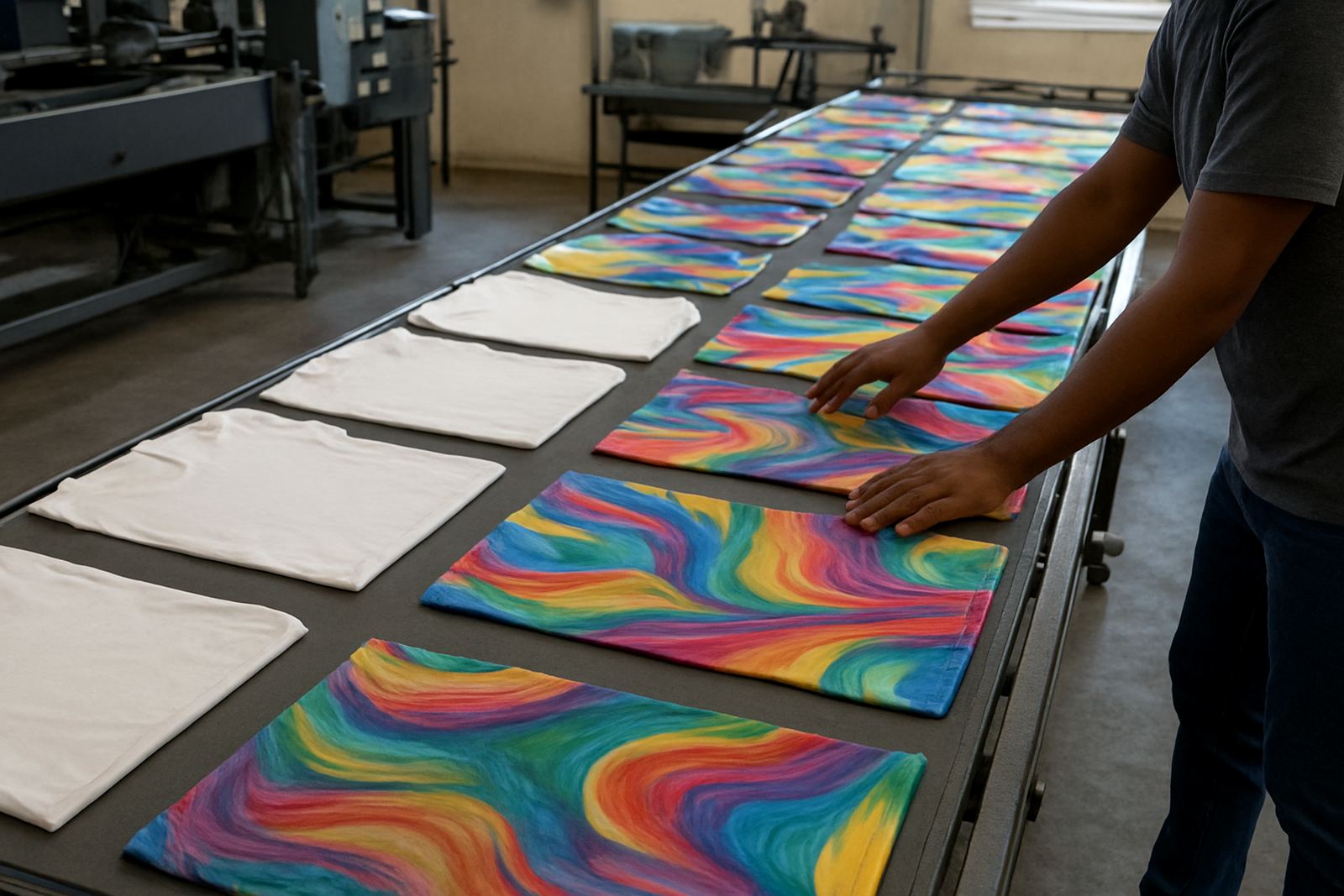
A startup printing from a small space in Sandton will not refill the same way as a larger operation handling garment decoration and screen printing support across Pretoria and the East Rand. Smaller shops often have lighter daily use but sharper spikes, which means refill timing should follow booked jobs. Larger shops usually run more consistently, so they can build a more formal refill cycle around shift handovers and stock records.
If you have multiple printers, do not treat them as one unit. Each machine should have its own usage pattern, especially if one handles samples and another carries the main production load. Mixing refill habits between machines can cause uneven colour output and extra downtime. A simple log helps: record the date, colour, quantity added and any line notes. After a month or two, you will see which machine needs attention more often.
That record also helps when training staff. One operator may refill too late, another too often, and both habits cost time.
Plan Refills Around Courier Lead Times and Bulk Orders
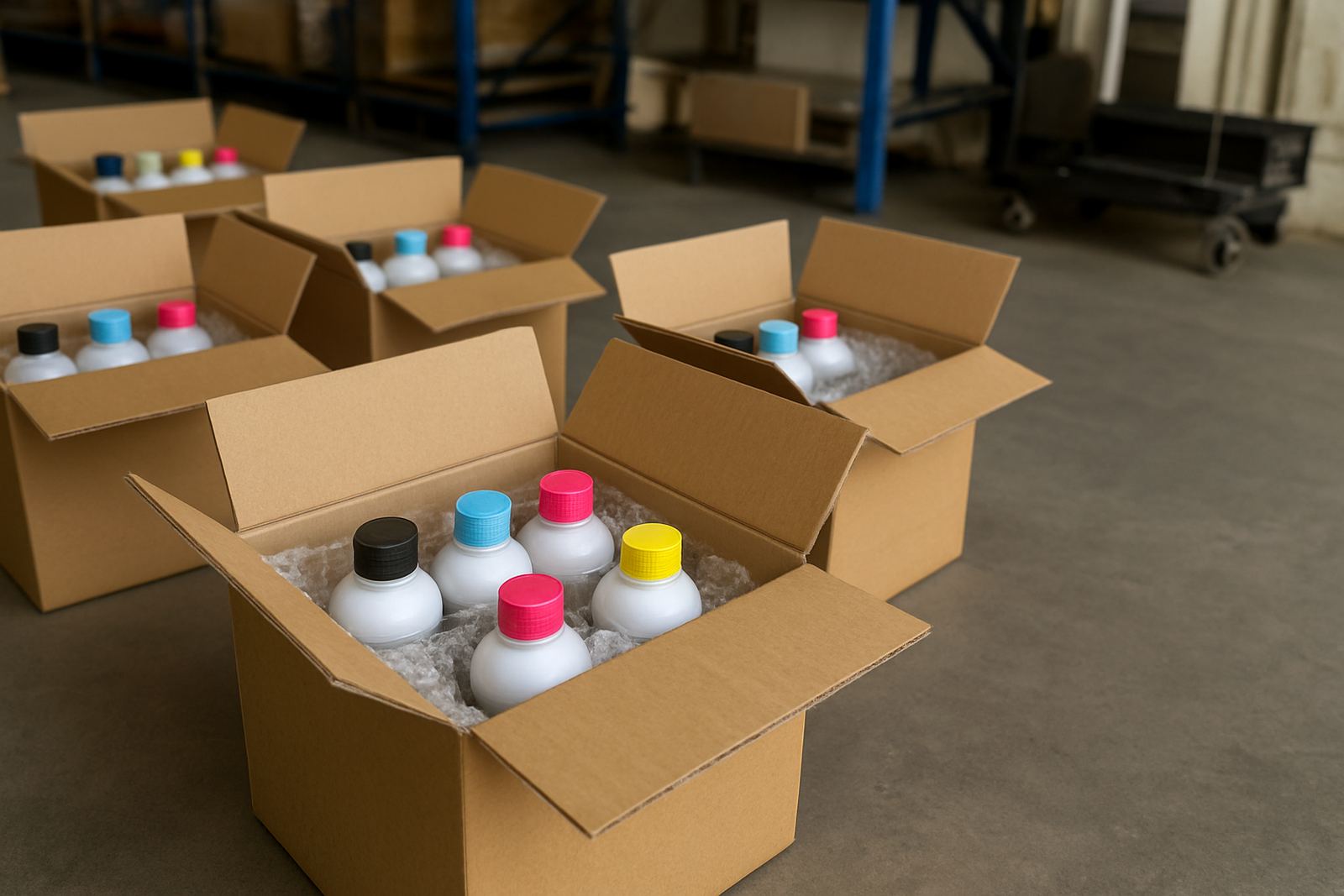
For businesses outside Johannesburg, refill timing should also factor in delivery. If you are in Pretoria, Midrand or further afield, next-day courier can help, but it still works best when you order before you are down to the last bit. A courier is useful, yet it is not a replacement for stock control. The safest shops place refill orders when the level is approaching the point where a delay would affect the week’s production.
Bulk order support is especially important when a customer has a launch, event or clothing drop coming up. If a print run is scheduled for Tuesday and you know the weekend will be busy, do not leave the refill until Monday afternoon. That is how rushed decisions happen. Keep a small safety margin and make sure your refill stock is matched to the printer model and colour set in use.
When you are unsure, ask for compatibility check support before ordering. It is far easier to confirm the right ink first than to deal with a mismatched refill later.
A Simple Refill Rule for Busy Shops
If you want one practical rule, use this: refill before the level becomes a risk to the next booked job. That is the simplest standard for shops that care about output and consistency. It keeps the machine ready, protects the line and avoids the mess of mid-run interruptions. Most problems do not start at empty, they start when someone assumed there was still enough left.
In a Johannesburg print room, where deadlines can come in fast and courier collections move on tight schedules, that rule is worth following. Check levels daily, note your normal consumption, and build refill timing around work due in the next 24 to 48 hours. If you do that, the printer stays ready and your team spends less time reacting.
Refill timing is not guesswork. It is part of running a print business properly, and the shops that get it right usually have fewer stoppages, cleaner output and better control over costs.