Why repeat orders drift when the ink supply changes
Repeat orders usually go off track for simple reasons. The original sample was printed with one batch, the next run used a different refill point, and the printer was cleaned or left idle at a different stage. Even when the artwork is unchanged, small shifts in ink flow, head condition and paper handling can change how the final print looks.
In South African print shops this often shows up on reorders for school wear, club shirts, workwear and promo items. A customer wants the same navy, the same bright red, or the same deep black six weeks later. If the print room has been running through load-shedding, hot weather in the warehouse, or a rush of last-minute jobs, consistency can slip unless the process is kept tight.
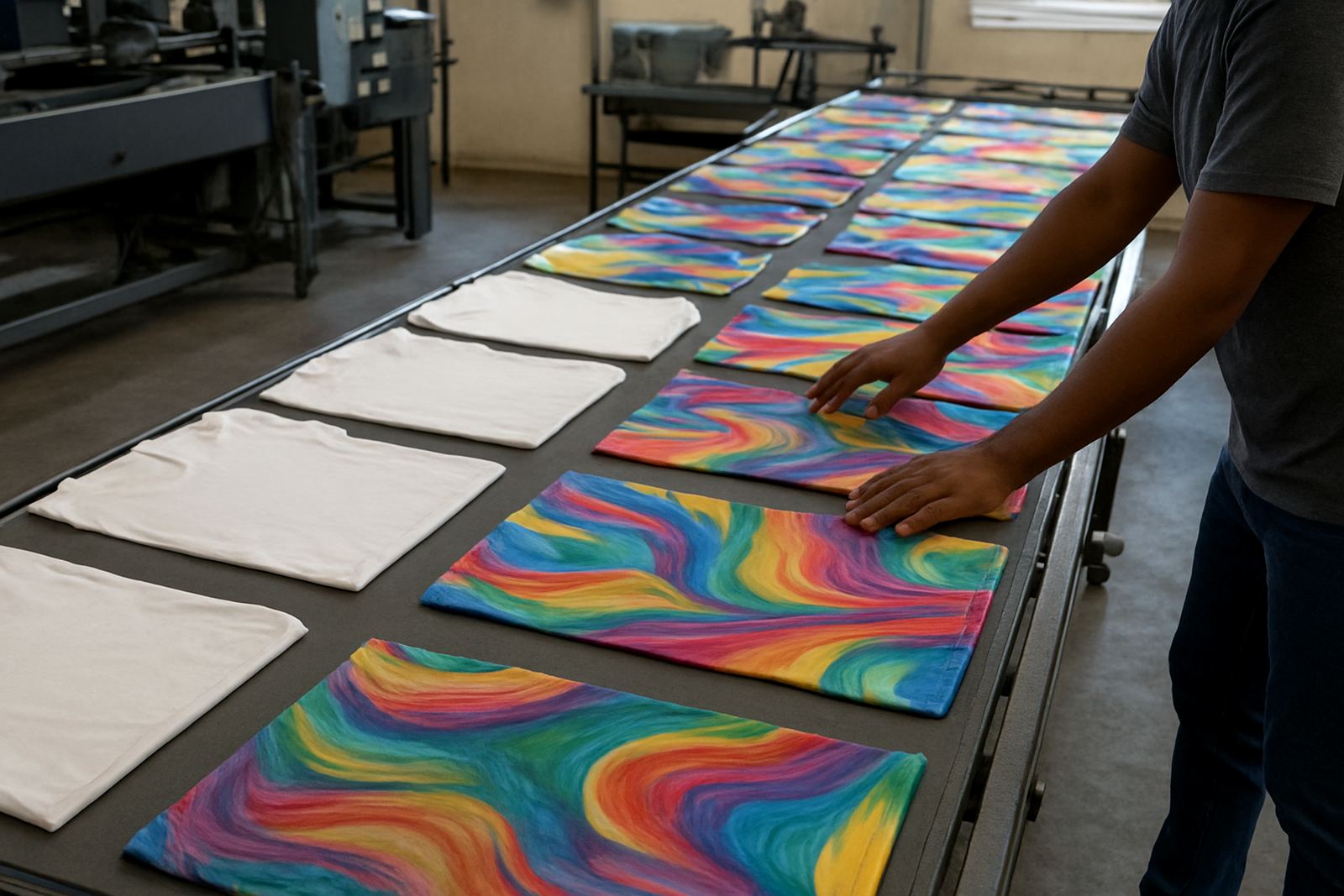
For repeat order work, the aim is not only strong colour, but predictable colour. That means the same printer setup, the same media where possible, the same ink line handling and a refill schedule that does not leave the system running too low before the next job lands.
Build a refill routine that matches your job volume
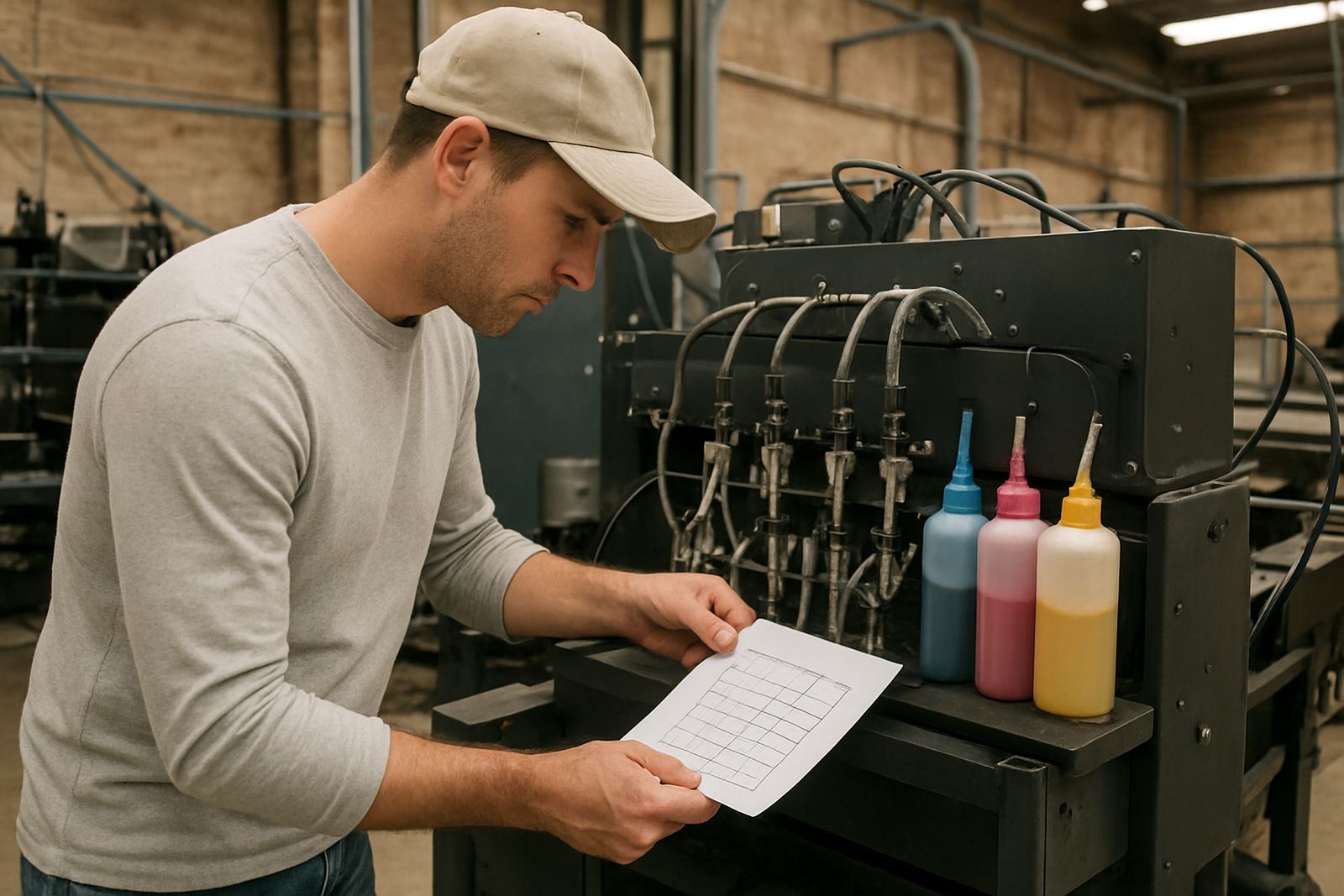
Most consistency problems begin at refill time. If the ink levels are allowed to run very low, the printer may pull air into the line or lose a stable feed. On the other side, overfilling can create waste and unnecessary handling. The better approach is to set a refill point based on the printer type, daily output and the size of your repeat clients.
At our Kya Sand base, we often see trade customers do better when they treat ink like stock, not an emergency purchase. If you know you are pushing the same 20 to 50 garments every second week, or handling regular screen print support work, plan ahead for the next run before the current bottle is empty. That keeps the print room calm when a customer wants another batch in the same colour mix.
- Check levels at the same time each day, or after each job block
- Keep one batch in reserve for repeat client work
- Record which printer and media were used on the first job
- Refill before air reaches the line, not after the printer starts struggling
- Store opened stock upright in a clean, shaded area away from heat
Match the first approved sample, not the memory of it
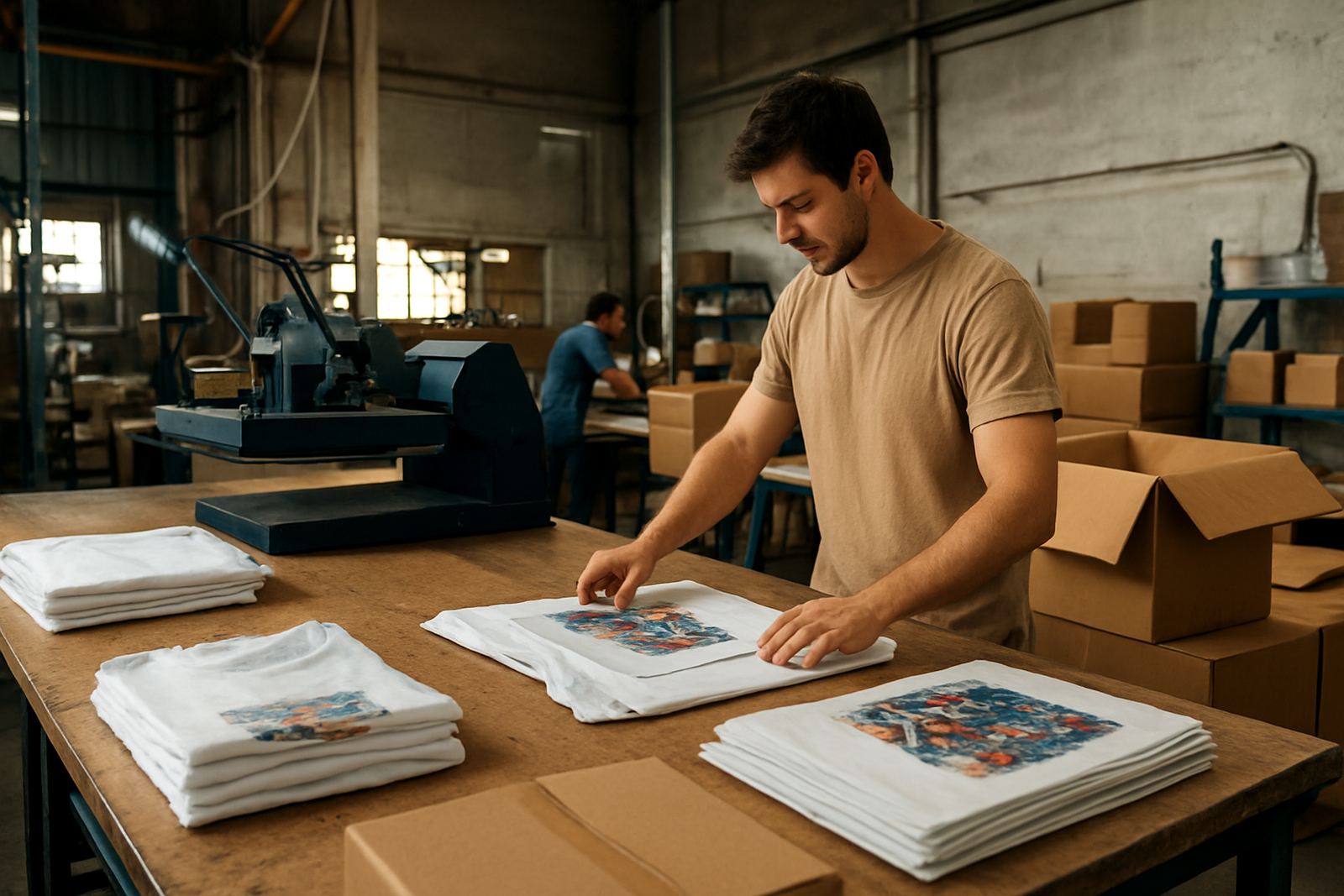
When a customer calls back for a repeat run, memory is not enough. The approved sample, the job ticket and the printer notes matter more than anyone’s recollection. A client may say, “Make it the same as before,” but if the first run used a different profile or a cleaner line, the new batch may still look a touch different.
Keep a simple job record for every repeat order. Note the date, printer model, paper type, ink used, curing settings and any cleaning carried out before the run. If the job was done for a garment decoration client in Sandton, or a small screen printing workshop in Roodepoort, the same process can be repeated later with fewer surprises. That helps with bulk orders too, where one off-colour panel can create waste across an entire batch.
Colour troubleshooting is easier when the original job details are on hand. A slight shift in magenta, for example, may come from a nozzle issue, a partial line restriction or a different print speed. If you know what changed, you can correct it quickly instead of guessing and losing material.
Keep the printer condition stable between jobs
Consistent ink alone will not keep repeat orders aligned. The printer itself needs regular care, especially in dusty areas and in workshops where machines sit unused after hours. Johannesburg air can be dry, while coastal humidity on couriered stock and storage in other provinces can affect how inks behave once they arrive at the customer side.
For businesses handling garment decoration or screen printing support, line cleaning and idle management make a big difference. If the printer has sat through a long load-shedding break, start with a controlled check before the next production run. Do not assume the first sheet out is ready for approval. A few test prints can save a full batch from being rejected.
- Run scheduled nozzle checks before repeat jobs
- Keep capping and wiping areas clean and free from build-up
- Use the same startup sequence after power interruptions
- Test a short print after long idle periods
- Replace worn consumables before they affect output quality
Plan stock around client seasons and courier timing
Consistency depends on stock being there when it is needed. A trade customer in Pretoria may place an order that must leave Kya Sand on the same day, while another in East Rand may need next-day courier for a reprint after a school event. If the ink is not planned properly, the repeat job becomes a rush order, and rush orders are where colour control can slip.
Seasonal demand also matters. School events, corporate gifting periods and sports fixtures can all create repeat work in bursts. If your workshop knows that a certain client always reorders at month end, keep that information in your planning notes. Bulk order support works best when the stock picture is clear and the courier plan is already in place.
Our team handles courier coordination nationwide from Johannesburg, so repeat clients can keep their workflow moving without holding too much inventory on site. That is useful for smaller teams and larger enterprises alike, especially when cashflow needs to stay tight and storage space is limited.
What practical consistency looks like in day-to-day printing
Repeat order consistency is not one big fix. It is a series of small habits that make the next job easier than the last one. The businesses that get steady results are usually the ones that log their settings, keep their refill timing sensible and ask for help before a mismatch becomes a complaint.
For a printer in Midrand running weekly repeat apparel orders, that might mean checking stock every Friday, cleaning lines after the last run and saving the successful settings from the previous job. For a startup in Randburg, it may mean asking for sample order assistance before committing to a larger batch. Either way, the goal is the same: keep the look, feel and output consistent enough that the client can reorder with confidence.
At Sublimation Ink, that is the standard we work towards. Consistent supplies, clear compatibility checks and practical advice give repeat customers a better chance of matching their approved work, job after job.