Start Small, Print Consistent
For a new operator, the first win is not volume, it is repeatable output. A startup that prints 20 to 50 units well each week will usually learn faster than one that rushes into large batches before the heat press, paper and ink are properly matched. In Johannesburg, where many small print shops run through power cuts and busy courier schedules, it helps to keep the workflow simple and predictable.
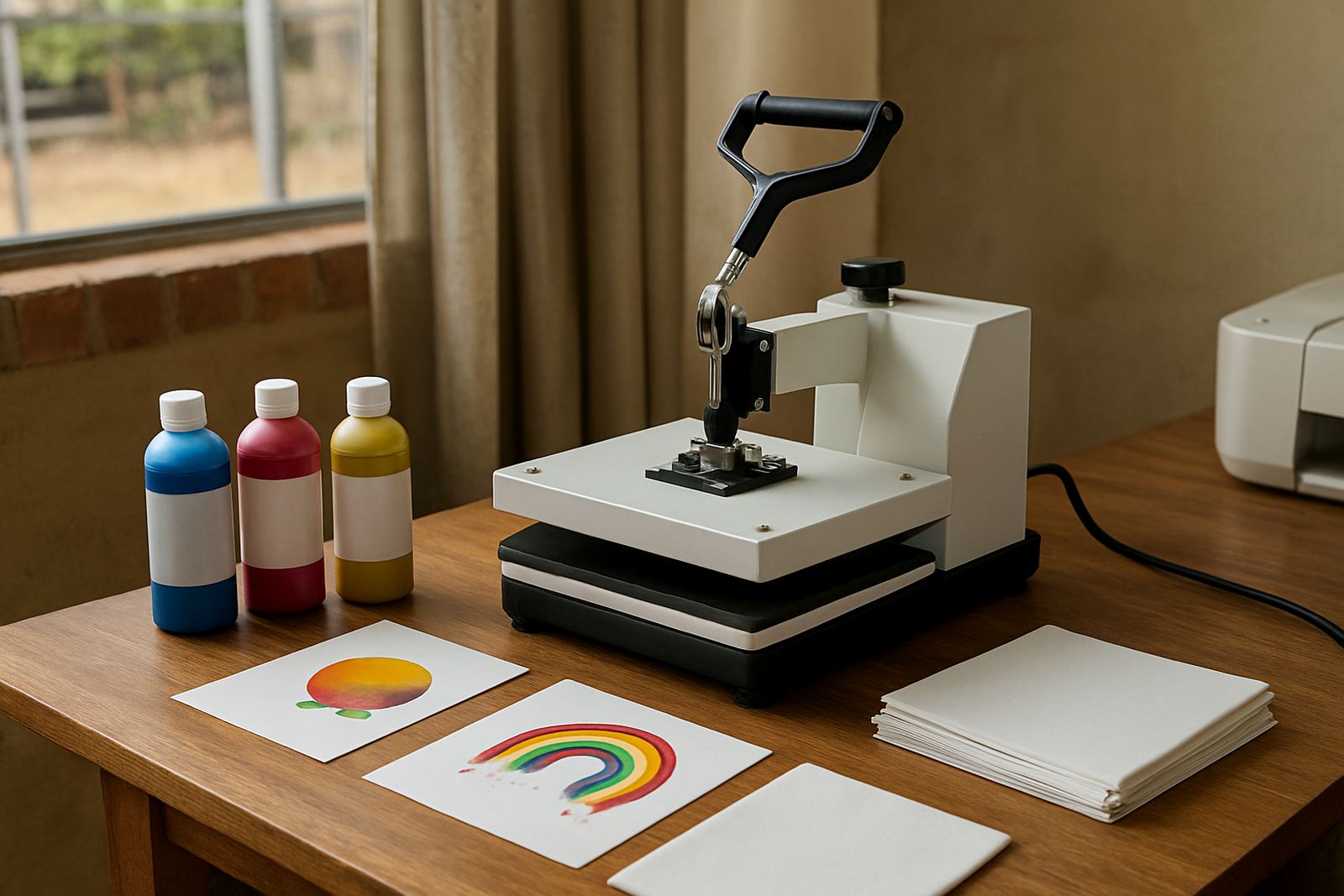
Begin with a narrow product range such as T shirts, cushions, mugs or event items, then track how each substrate behaves. Keep notes on press time, temperature, pressure and the result after washing or handling. That record becomes useful when you need to solve a colour shift or a pale transfer later on.
- Choose 2 or 3 core products first, not 10
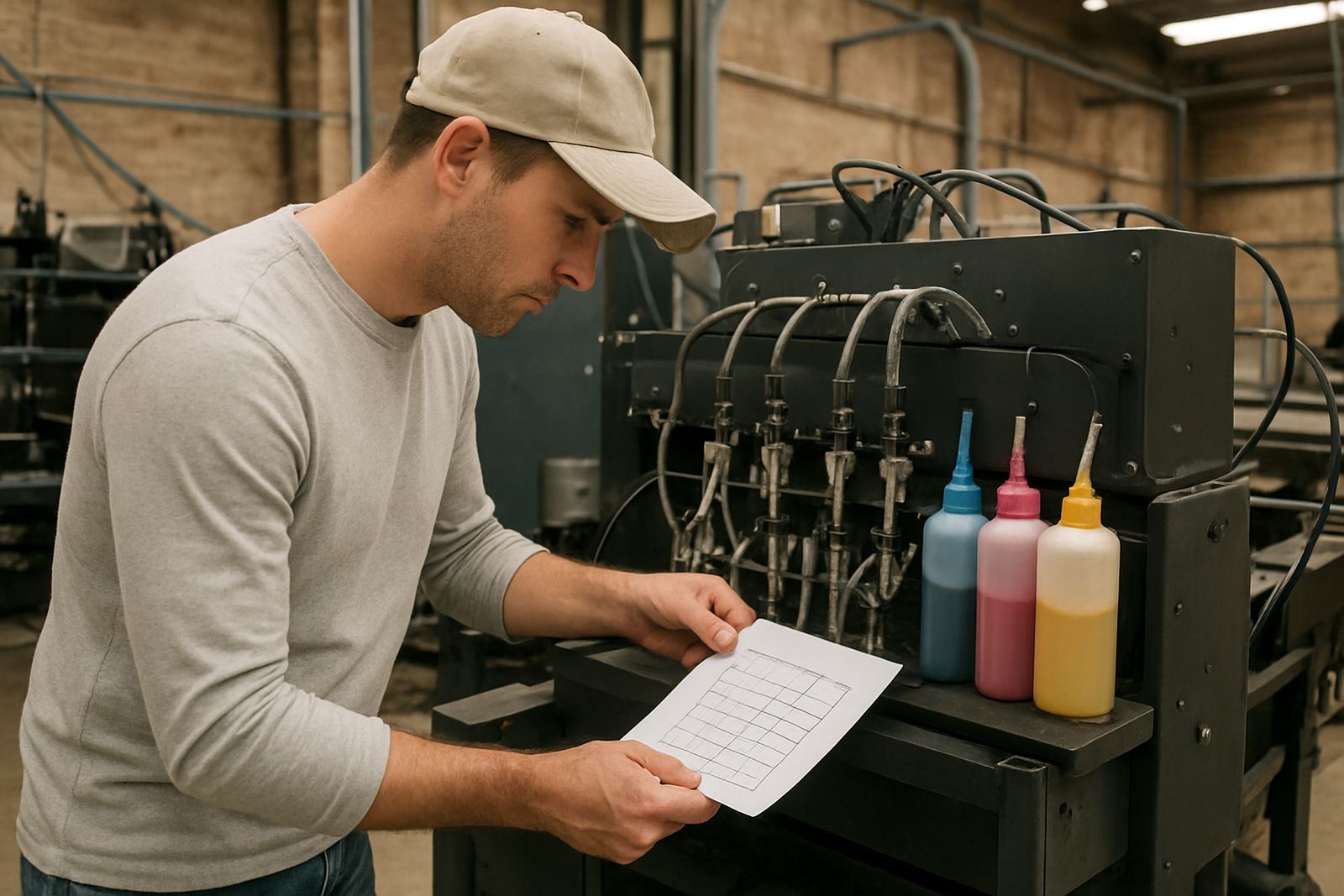
- Keep one press setting sheet beside the machine
- Test every new paper or blank item before offering it to clients
- Allow for load-shedding by planning print runs in batches
Match Ink To Your Printer Before You Buy Stock
Ink choice matters more than many first time business owners expect. Desktop printers and wide-format printers need different handling, and the wrong fill can lead to blocked nozzles, weak colour or wasted media. The best starting point is a compatibility check before you commit money to bottles or bulk cartridges.
If you are in Kya Sand, Randburg, Midrand or Roodepoort, you can order from a Johannesburg base and keep your supply chain tight. For startups, that means fewer delays when stock runs low and less pressure on cash flow. A small order that arrives next day is often better than carrying three months of stock that may sit in a warm storeroom.
- Confirm printer model and ink type before ordering
- Check whether your machine is used for light or heavy duty production
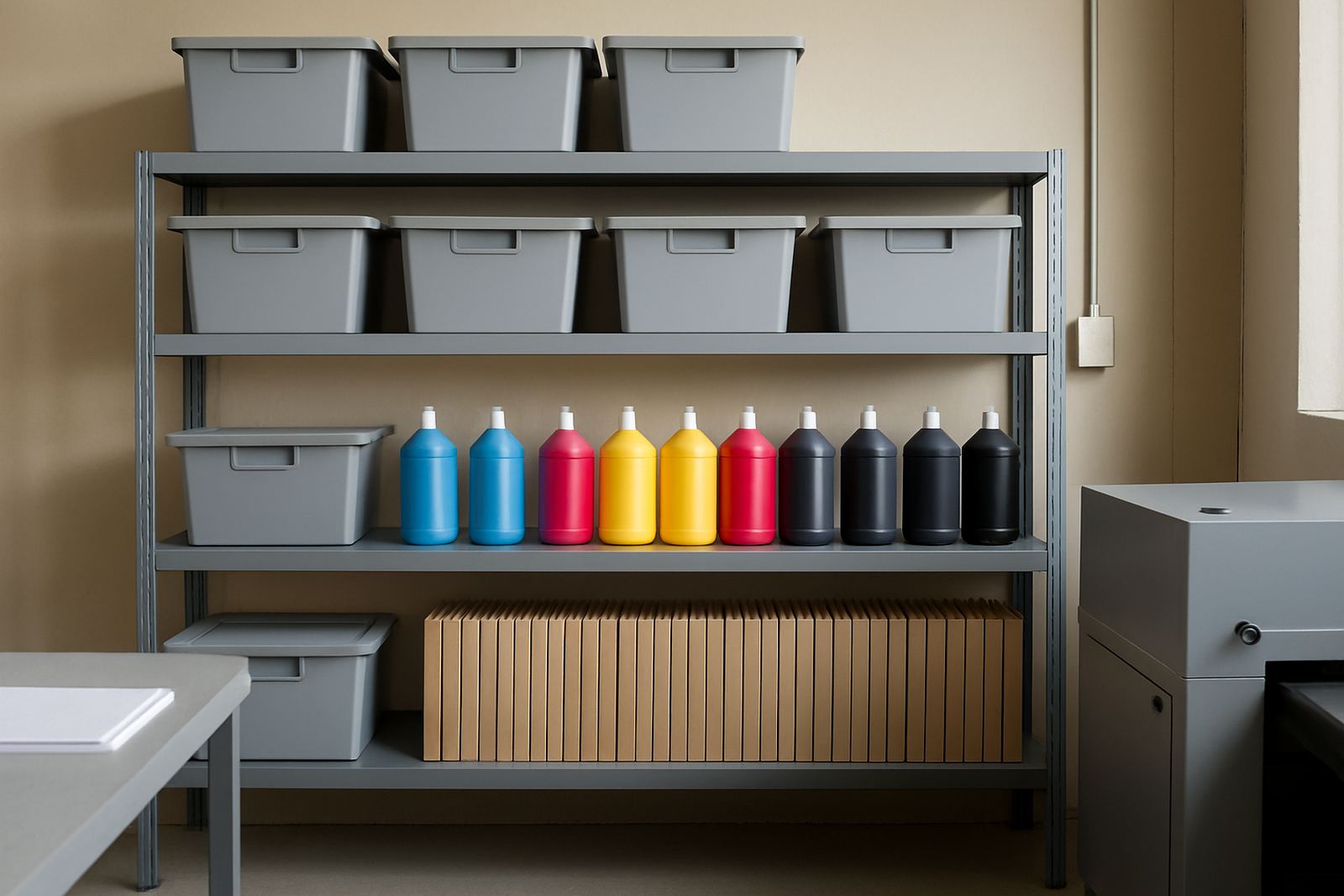
- Store ink away from direct sun and high heat
- Keep caps closed tightly to reduce contamination and drying
In coastal areas such as Durban or Gqeberha, humidity can affect how materials behave in the room. In Gauteng, the dust and dry air create different issues. Both conditions call for the same discipline: clean equipment, sealed containers and regular line checks.
Budget For Testing, Not Just For Sales
Many startups build a quote around selling price only, then forget the cost of trial prints, spoilage and reprints. A practical budget includes sample blanks, test sheets, cleaning fluid, and a bit of stock for colour correction. That way your first jobs do not eat into your margin.
A useful rule is to set aside a small testing allowance for every new job type. If you are exploring garment decoration for local schools, clubs or events, you will likely need several test runs before the artwork settles correctly. The same applies when switching from one paper weight to another. A few rand spent on testing can save a full box of damaged items.
- Include test media in your startup budget
- Allow for reprints on new designs
- Keep sample order requests separate from production stock
- Track cost per finished item so pricing stays realistic
Build A Colour Process Your Customers Can Trust
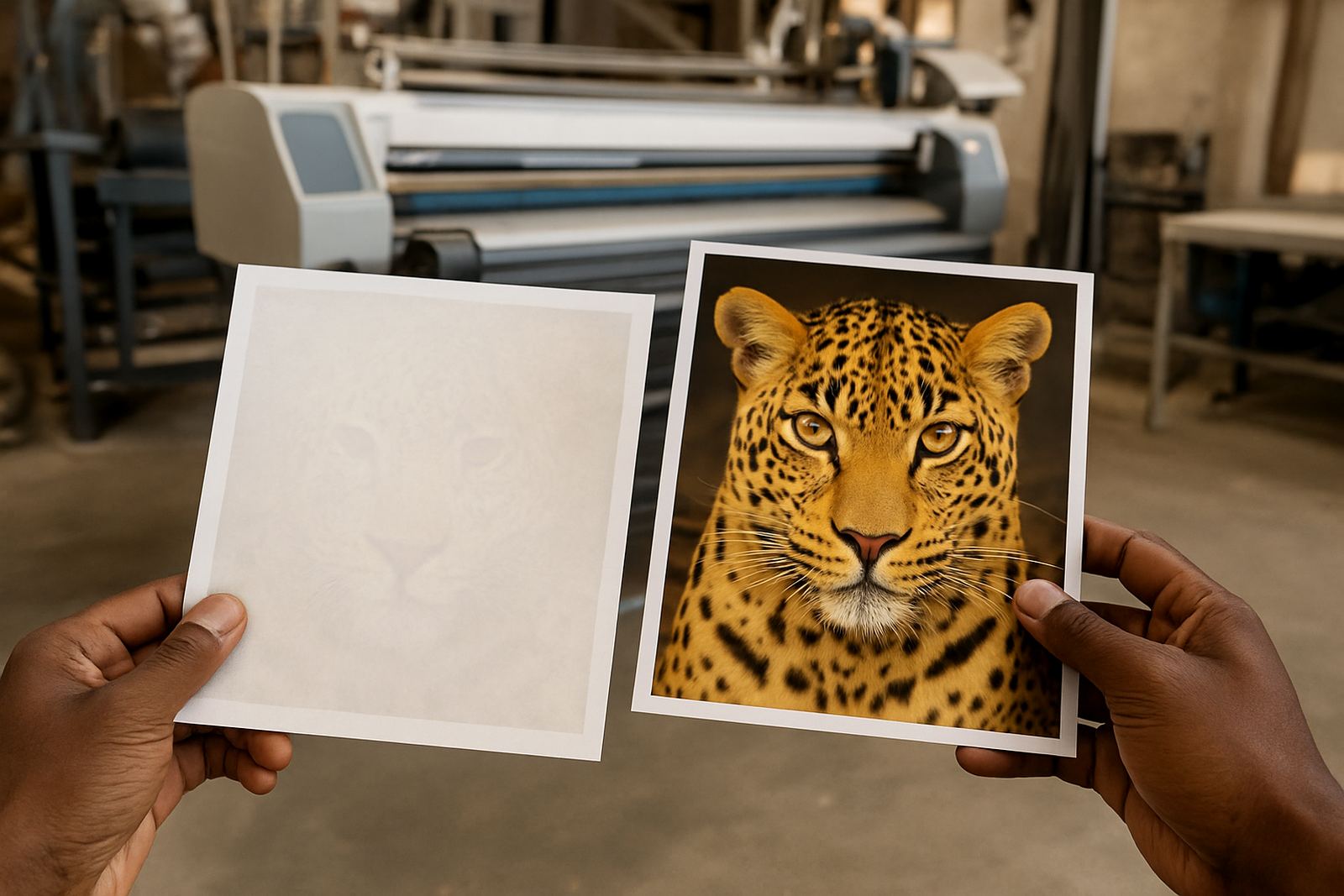
Colour is where many small businesses win repeat orders or lose them. Bright reds, deep blues and clean blacks all depend on the full chain working well, from image file to ink laydown to press settings. If your output looks different from one day to the next, customers will notice.
For startups, the best habit is to create a standard colour routine and stick to it. Use the same design settings where possible, keep the same paper for regular work, and clean the print path before problems show up. If a client needs a school crest, brand logo or sports kit, print a small proof first and compare it under natural light. That is often enough to avoid costly mistakes.
- Use the same colour profile for repeat work
- Print a small proof before a full run
- Keep a sample of approved work for comparison
- Record any change in ink batch, paper or temperature
Colour troubleshooting is easier when the team knows what changed. A startup in Sandton may blame the artwork when the real issue is a worn-out heater platen or a line that was not cleaned after a long weekend. Simple checks save time and protect customer trust.
Stock Planning For Local Demand And Courier Timing
Good stock planning helps a startup avoid rush buying and missed deadlines. In practice, that means watching what sells by season and keeping enough ink on hand for the next few jobs, not the next year. School terms, sports events, tourism and year-end gifting all affect demand in different parts of South Africa.
From our Johannesburg base in Kya Sand, next-day courier on inks helps startups keep moving without tying up cash in large inventory. That is useful for a new operation in Pretoria or the East Rand, where a small shop may not want to hold too much stock on the shelf. If a bulk order is coming in, it is better to plan it early and line up courier collection before the last bottle runs out.
- Keep a minimum stock level for each regular colour
- Plan extra supply before school and event seasons
- Use courier timing to reduce downtime
- Separate production stock from test stock
Ask For Guidance Before Problems Become Expensive
Startups do not need to know everything on day one. What matters is asking the right questions early, before a nozzle blocks, a batch goes dull, or a customer needs a deadline you cannot meet. Support with ink selection, refill guidance and line cleaning advice can save a new operator a lot of money.
It also helps to treat every first month as training as much as trading. Speak to people who understand the difference between desktop and wide-format setups, and who can advise on consistency, stock planning and trade customer support. A business in Kya Sand might begin with one machine and a few local orders, then grow into wholesale work once the process is stable. That kind of growth is steady and manageable, which is usually better than chasing every job that comes in.
With the right ink, a clear routine and courier support when stock is needed, a startup can build confidence one print at a time.