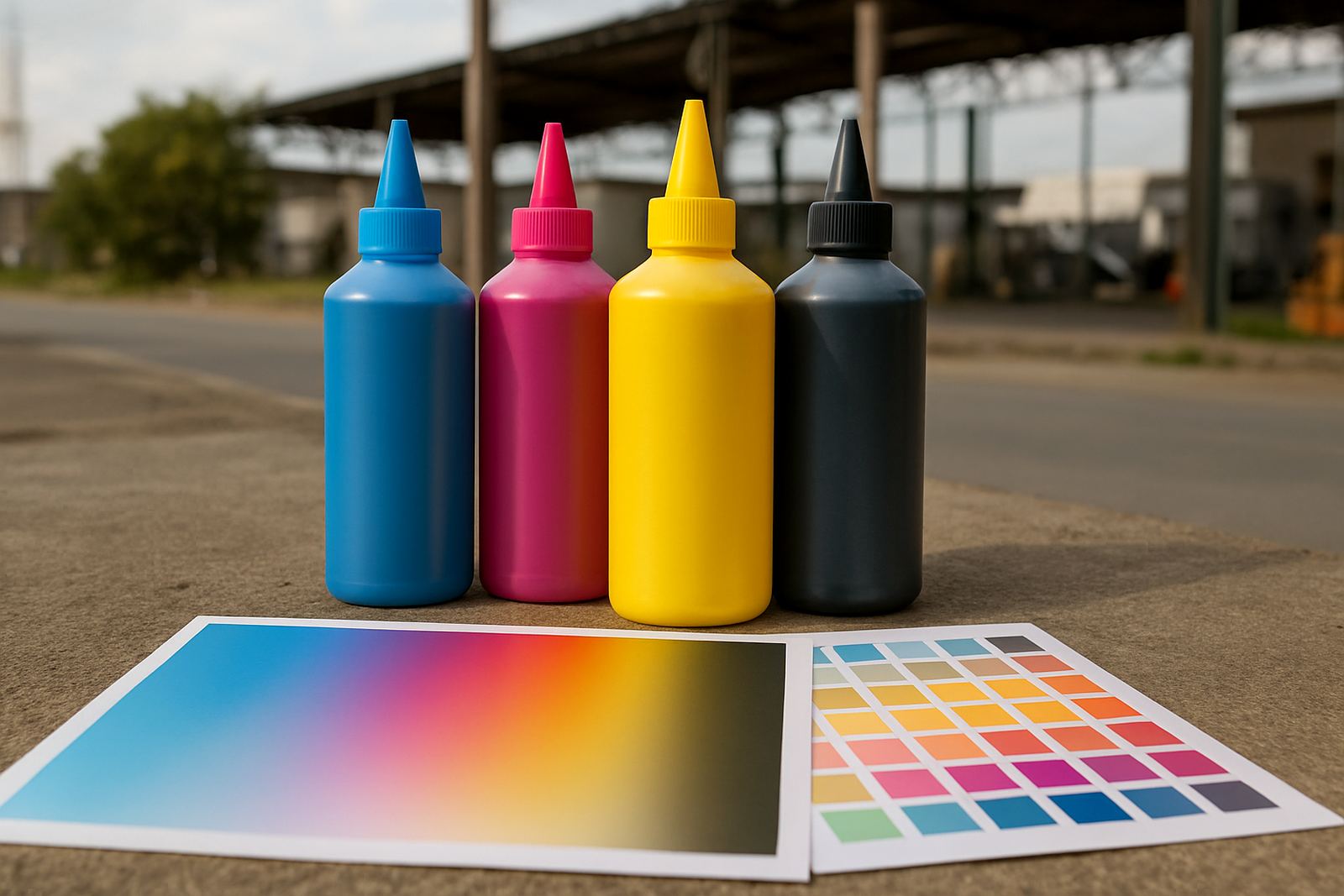
Start With the Same Printer, Paper and Heat Settings
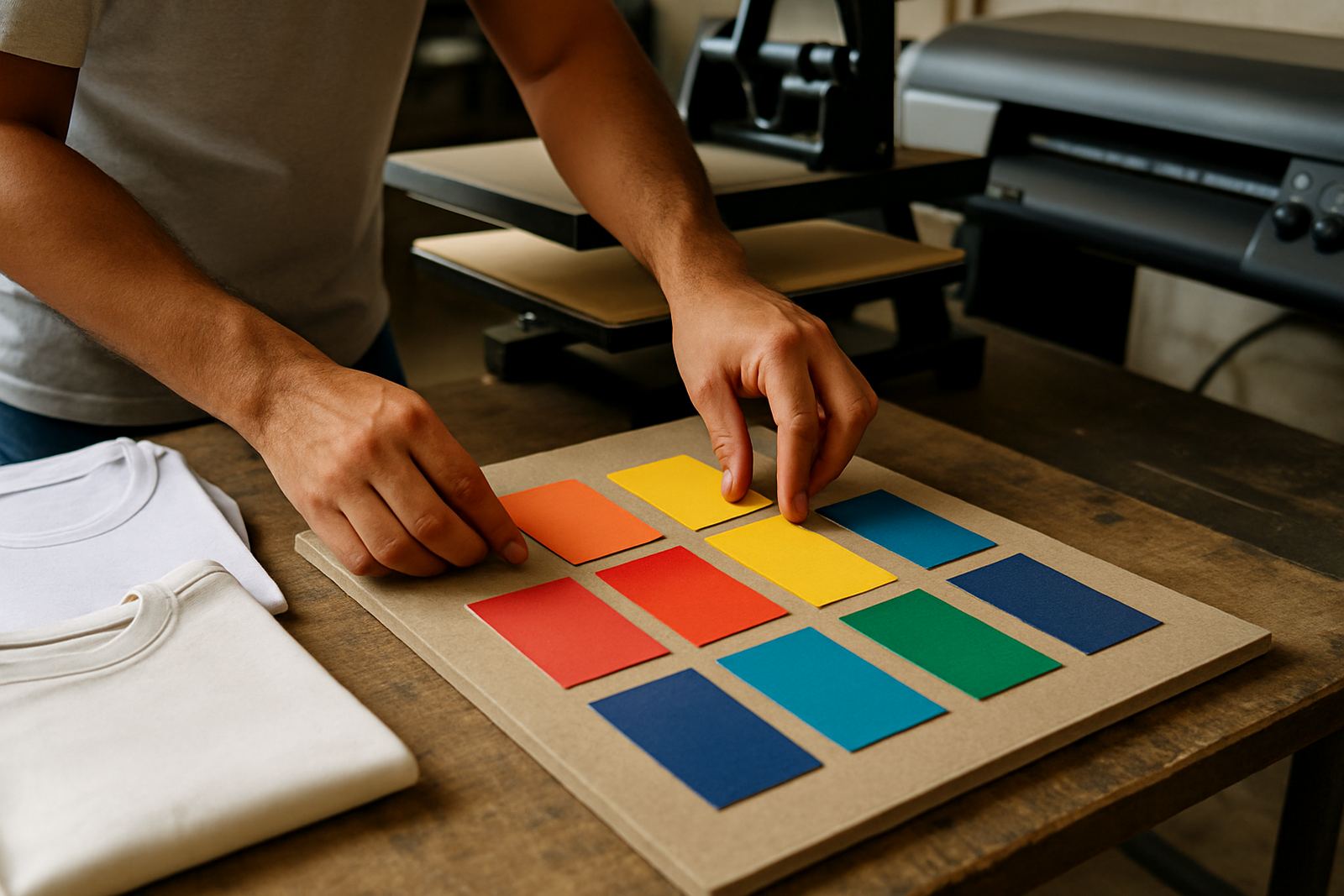
Good sample testing starts with control. If you want a proper comparison, use the same printer, paper, heat press settings and file setup for every test print. Changing too many variables at once makes it hard to tell whether a result came from the ink, the paper, or the operator on the day.
For South African print shops, this matters even more when the power goes off mid-shift or the room gets hot in summer. A test done on a cool morning in Kya Sand can behave differently to one done later in the afternoon when the press has been on for hours. Keep note of temperature, humidity and drying time, then repeat the same method each time so your results mean something.
We also advise buyers to test on the actual printer size they plan to use, whether that is a desktop unit for samples or a wider machine for production. A clean line on a small machine does not always stay clean when the output is scaled up. If the nozzle check is not right, fix that first before judging the ink.
Check Colour Strength on More Than One Fabric or Substrate
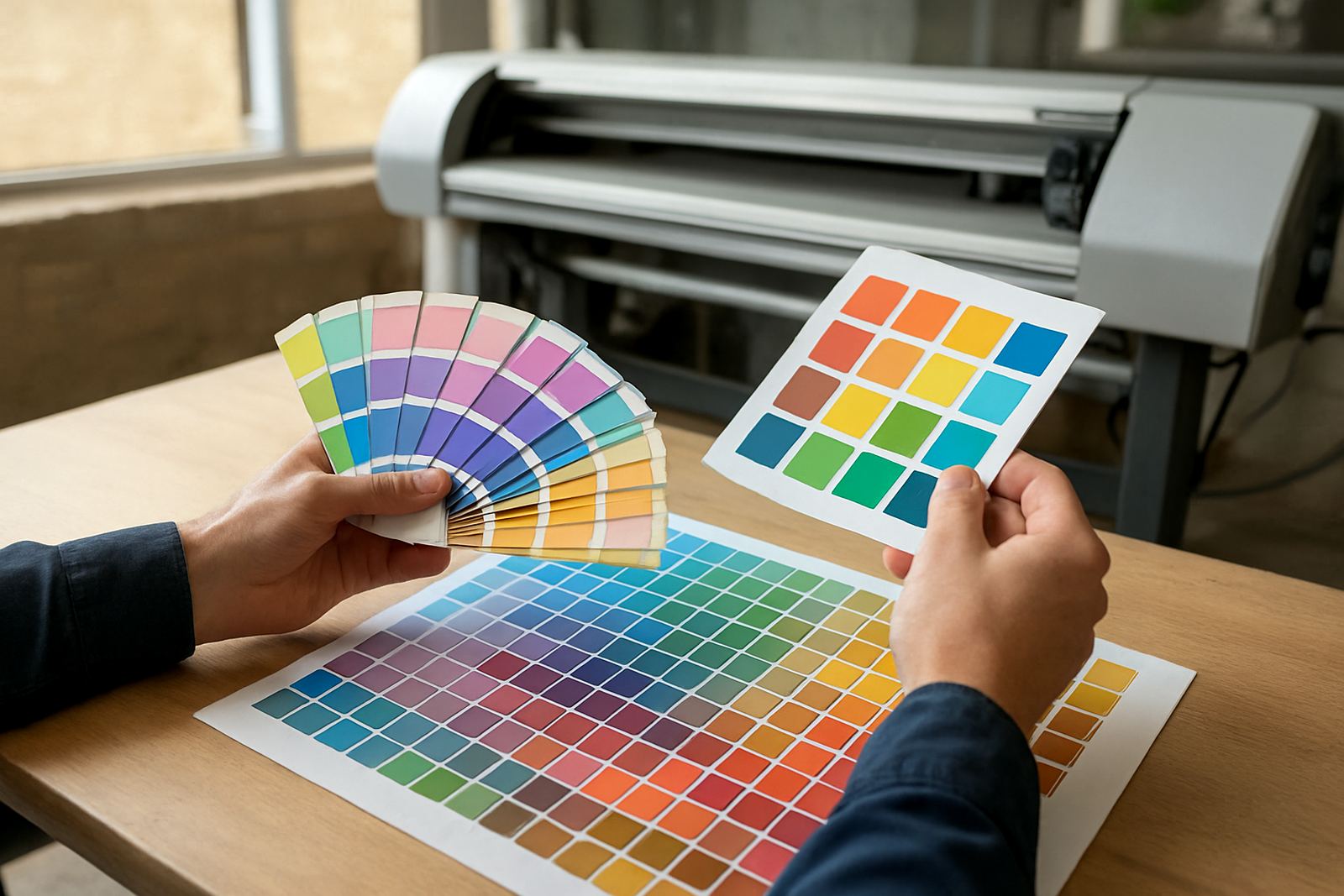
Colour strength is often judged too quickly. A bright transfer on one fabric may look flatter on another, especially when the fibre content changes. For garment decoration, test the same design on a few common materials that your customers actually order, such as poly blends, sportswear fabric and coated hard goods where relevant.
When comparing samples, look for more than just how bright the red or blue appears. Check whether skin tones hold detail, whether dark areas print evenly and whether fine lines stay readable after pressing. Some colours can look strong at first but lose body after wash, while others keep their value better over time.
- Print one standard artwork file across all samples
- Use the same press time and pressure on each test
- Label every sample with date, batch and material type
- Keep a wash or wear note beside each result
This simple record helps when a client asks for a repeat order three months later. Instead of guessing, you can go back to the exact sample and match it properly.
Watch How the Ink Feeds, Dries and Cleans Through the Line
A good sample test is not only about the final print. It should also show how the ink behaves inside the machine. Feed consistency, drying speed and line cleanliness all affect production, especially when orders stack up and you need the printer to keep moving. If one colour is leaving residue or pulling unevenly, that needs attention before you scale.
During testing, make a note of any clogging, banding or puddling around the head area. These signs can point to a compatibility issue, a refill problem or simply poor line cleaning before the test started. It is worth checking cartridges, dampers and tubes if your setup uses them, because a neat print today can turn into a stoppage tomorrow if the supply path is not stable.
For trade customers, this is where sample testing saves money. A few short runs on the right setup can prevent a full batch from being rejected. That is especially useful when you are printing for schools, clubs or retail orders where timing matters and there is not much room for rework.
Use a Practical Scorecard, Not Guesswork
Many buyers say a sample looks good, but they do not explain why. A basic scorecard gives you a better answer. Rate each sample on colour strength, sharpness, drying behaviour, wash resistance, handling and consistency across repeats. You do not need a complicated system, just a clear one that your team can use again.
We suggest testing at least three repeats of the same design. If the first print looks good but the third one shifts in tone or detail, that tells you something important about stability. A single perfect sample means less than a group of prints that all behave the same way.
- Colour strength from 1 to 5
- Sharpness of small text and fine lines
- Drying and handling after printing
- Consistency across repeated prints
- Any clogging, fading or transfer issues
Keep the scorecard with your stock notes, then use it when planning the next order. That way the buying decision is based on evidence, not memory.
Plan Sample Orders Around Real Production Needs
Sample testing works best when it mirrors real production. If your business usually prints in batches of 20 or 50, your sample order should reflect that kind of pace. If you only test with one sheet, you may miss problems that show up once the machine has been running for an hour. A proper test should tell you what happens when the queue gets busy.
For smaller shops in Randburg, Roodepoort or Midrand, the aim is often to find a repeatable setup that works with limited storage and tight turnaround times. Larger operations in Pretoria or the East Rand may need to compare several batches before they settle on a standard. Either way, sample planning should match the scale of the work.
It also helps to think ahead about stock use. If one ink performs well but needs a different drying routine, you need to factor that into labour, time and packing. That way the sample does not just look good in the sample room, it also fits the way your team works on the floor.
A Kya Sand Example: Testing Before a School Uniform Run
A local buyer in Kya Sand once wanted to test ink before taking on a school sportswear order for the next term. The brief looked simple enough: strong colours, clean logos and a finish that could handle repeated washing. Instead of placing a full order straight away, the buyer ran samples on the same fabric, with the same press settings, over three separate days.
The first sample looked fine at a glance, but the second run showed slight dulling in one colour after pressing. Because the buyer had labelled each test and kept a note of the room conditions, the issue was easy to track. The final choice was made only after the print, wash and repeat checks all lined up. That saved time, and it saved the client from having to explain uneven results later on.
That kind of discipline is useful whether you are a startup or an established trade customer. It gives you a cleaner basis for stock planning, better confidence when quoting, and fewer surprises when the order grows. If a sample performs well on your own setup, under your own conditions, you can scale with far less risk.
What to Ask for When You Need Sample Support
If you are unsure where to begin, ask for sample guidance before the order goes out. A few clear questions can narrow the options quickly and save both time and materials. The aim is to match the ink to your printer, your output and the type of work you do most often.
Useful questions include whether the ink is compatible with your printer model, how it behaves on your main substrates, and what line cleaning steps are recommended before testing. It also helps to confirm refill guidance, colour troubleshooting tips and whether a small sample order makes sense before larger stock is booked. For many businesses, that first test is the point where good planning starts.
Once you have a working sample, keep it clean, labelled and stored flat. That small habit makes future comparisons much easier, especially when staff change or the order book gets busy.