Short Runs Are Now Part of Everyday Work
In garment decoration, the steady move toward smaller orders has changed what matters on the shop floor. Clubs want 12 shirts, schools want a few staff tops, and small labels want personalised pieces for pop-up sales or local events. A printer that can handle a one-off sample on Monday and a repeat order by Friday needs ink that stays predictable from the first metre of transfer paper to the last.
For South African businesses, this also means less room for waste. If a job is only 8 or 20 items, there is no comfort in guessing on colour or print density. Shops in Johannesburg, Randburg and Midrand are especially under pressure to turn around work quickly, often while managing load-shedding schedules and courier collections in the same day. The trend is simple: buyers want speed, but they still expect clean colour and proper durability.
- Small orders need fast setup and low waste.
- Repeat jobs depend on stable colour from batch to batch.
- Short runs work best when ink, paper and heat settings are matched properly.
- Courier-friendly stock planning helps avoid holding up time-sensitive orders.
Personalisation Is Pushing Colour Standards Higher
Personalised apparel is no longer just names on sports tops. It now includes numbers, school functions, corporate gifts, dance studios, small fashion labels and community events. Once customers start paying for personalisation, they notice colour shifts quickly. A red that prints slightly dull today and bright tomorrow can become a problem when the same client orders more pieces next month.
That is why many print businesses are paying closer attention to colour troubleshooting and compatibility checks before starting a job. The aim is not only a vivid first print, but also a repeatable result when the artwork comes back in a different size or on a different garment mix. In Gauteng, where many customers collect locally or ask for next-day courier, this kind of consistency can be the difference between a steady account and a one-time order.
Shops that do best with personalised work usually keep a simple process in place:
- Confirm the printer model and ink match before production.
- Test on the actual fabric blend where possible.
- Keep colour settings noted for repeat work.
- Check drying and transfer conditions before committing to bulk.
Why Durability Matters More Than Ever
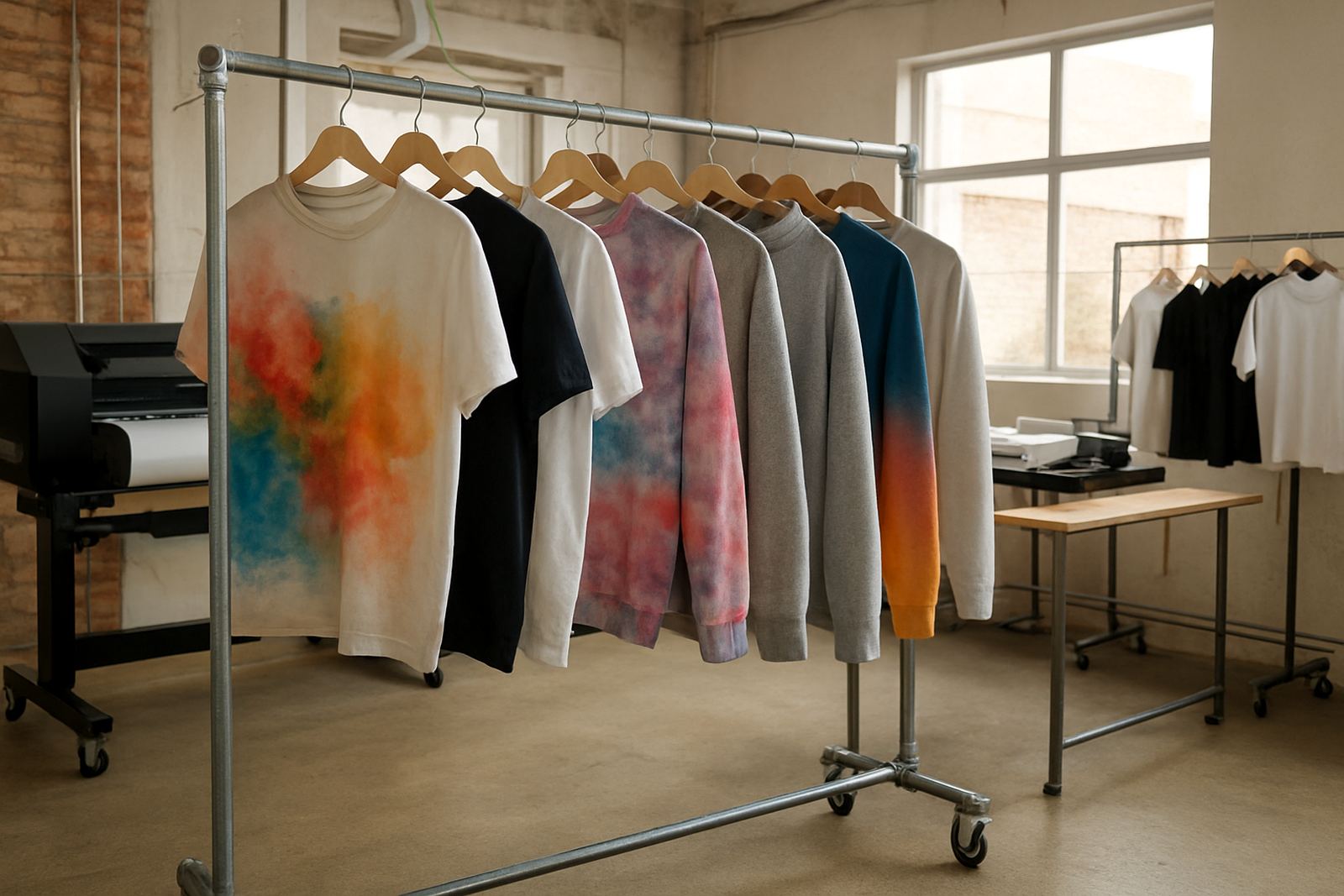
Customers buying decorated garments want them to last through washing, wearing and ironing. That matters even more in schools, hospitality, sport and promotional clothing, where a garment may be washed often and handled hard. Sublimation is valued because it becomes part of the fabric rather than sitting heavily on top, but results still depend on the right ink flow and clean printing conditions.
In the South African market, durability also affects reputation. A printer in Roodepoort or Pretoria may win one job on price, but it is the second and third order that keep the work coming. If the colours fade quickly or the print looks patchy, the customer will move on. For that reason, many trade buyers now look beyond the first print and ask about refill guidance, line cleaning advice and stock planning before they commit.
Useful checks before taking on a garment decoration order include:
- Confirm the heat press temperature and timing for the garment type.
- Make sure the print head is clean before starting a fresh run.
- Check that the artwork size suits the cut and garment panel.
- Allow enough stock for reprints in case sizing changes are requested.
Local Trade Buyers Need Practical Stock Planning
Short-run work often arrives without much warning. A customer in Sandton may need samples for a launch next week, while a school in the East Rand wants branded apparel for an event that has already been approved. That is why stock planning is not just a warehouse issue, it is part of customer service. If your ink supply runs low at the wrong time, the whole order can stall.
For businesses around Kya Sand and greater Johannesburg, local delivery can make day-to-day planning easier, while nationwide courier support keeps out-of-town accounts moving. It is also worth keeping a closer eye on popular colours and seasonal peaks. Summer sports, end-of-year functions and winter promotional clothing all create different buying patterns, and a shop that plans ahead usually avoids rush costs and unnecessary downtime.
Good planning habits often include:
- Tracking which colours move fastest during busy periods.
- Keeping enough stock for at least the next small batch.
- Setting aside sample quantities for new customer tests.
- Coordinating courier cut-off times with production deadlines.
A Johannesburg Example: Faster Turnaround, Fewer Reprints
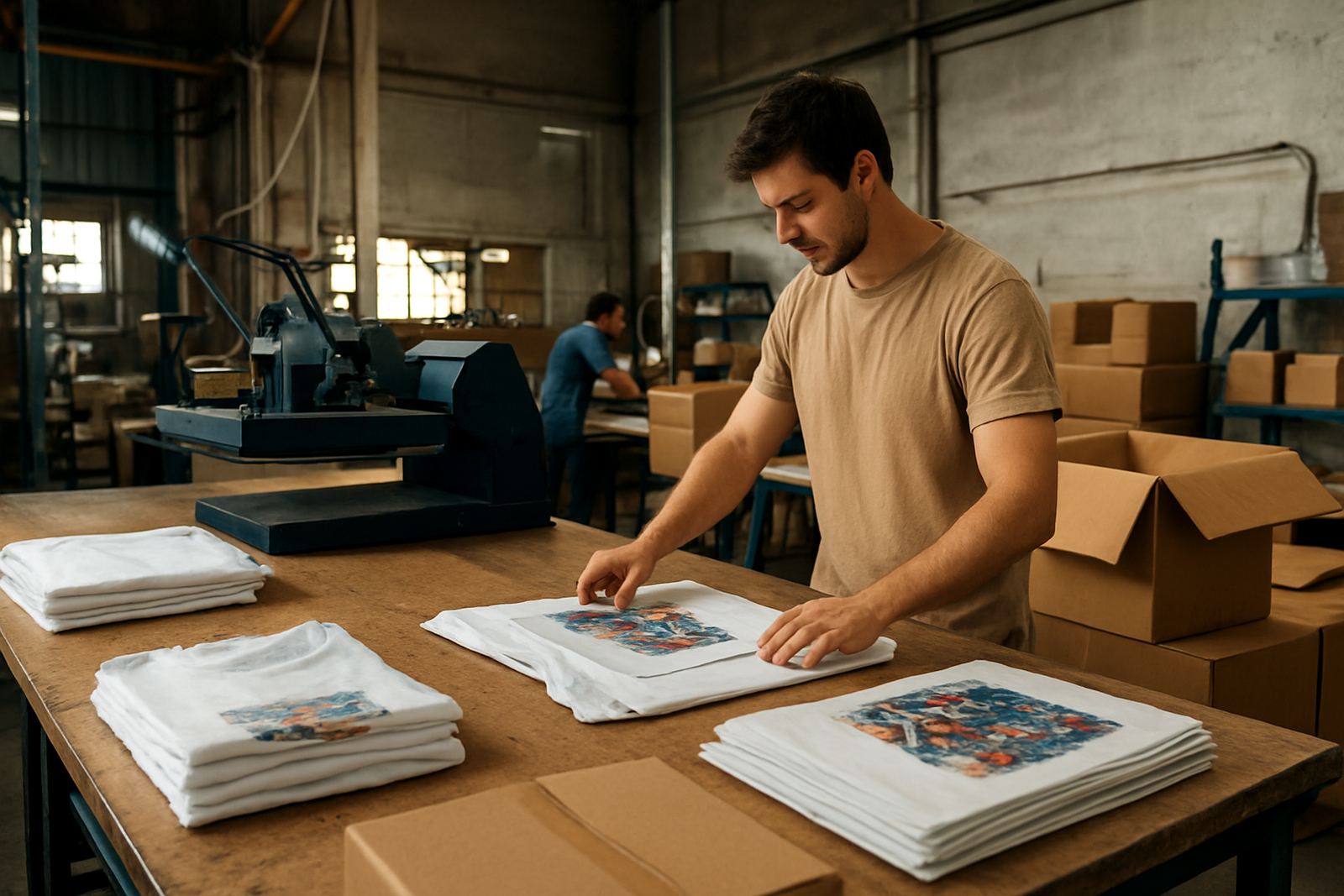
A practical example is a print business in Kya Sand that handles school spirit wear and small corporate orders. The owner may get a request on Tuesday for 15 personalised shirts and a matching set of sample prints for a client meeting on Thursday. If the ink choice is right, the artwork can be printed, pressed and checked without costly rework. If the colour is inconsistent or the printer needs repeated cleaning, the order slips behind and the customer notices.
That same business may also be balancing power interruptions, so print planning becomes part of the daily routine. Teams that know their printer behaviour, keep spare ink ready and follow a clear cleaning schedule are usually better placed to handle these short-fuse jobs. The lesson is simple: garment decoration trends favour businesses that can work neatly, move quickly and repeat results without fuss.
For many trade buyers, the value is not just in the ink itself, but in the support around it. Compatibility checks, sample order assistance and startup print advice all help reduce mistakes when the pressure is on.
What to Look For When Buying Sublimation Ink
As garment decoration moves toward faster, more personalised work, the buying decision has become more technical. You need more than a colourful label on a bottle. You need a product that suits your printer, supports your workflow and keeps the wash results steady for your customers.
Before placing your next order, ask whether the ink supports your daily production needs and not just a single test print. The right choice should help you keep colour stable, minimise cleaning issues and handle both desktop and wide-format work where needed.
- Check printer compatibility before ordering.
- Match ink choice to your most common garment jobs.
- Ask about consistency advice if you run repeat accounts.
- Keep a plan for courier delivery and reordering so stock does not run short.
In a market that now rewards speed, personalisation and reliable wash performance, the best ink is the one that fits your production line and your customers’ expectations. That is what keeps a small print shop moving from one short run to the next without losing time or colour quality.