Soft signage jobs that need clean colour and good wash resistance
Soft signage is usually printed for short-run campaigns, expo stands, shop displays, school functions and stage backdrops, so the print has to look sharp from a few metres away and still hold up when the fabric is folded, packed and rehung. In Johannesburg, where a lot of work moves quickly between agencies, printers and event crews, the real challenge is consistency. A client might want 20 banner socks this week and 80 metres of hanging display fabric next week, and the colour should match across the full run.
Wide-format sublimation inks suit polyester-based fabric applications because they transfer well, give good detail and keep a soft hand feel on the material. That matters for fabric used indoors and outdoors under temporary cover, especially where weight and transport are a concern. For businesses in Kya Sand, Randburg, Midrand or further afield, the aim is simple: print clean, keep wastage low and avoid reprints caused by dull colour or poor transfer. A small mismatch can throw off a whole event order, so the first sample matters alot.
Typical printer setups for banners, backdrops and display fabric
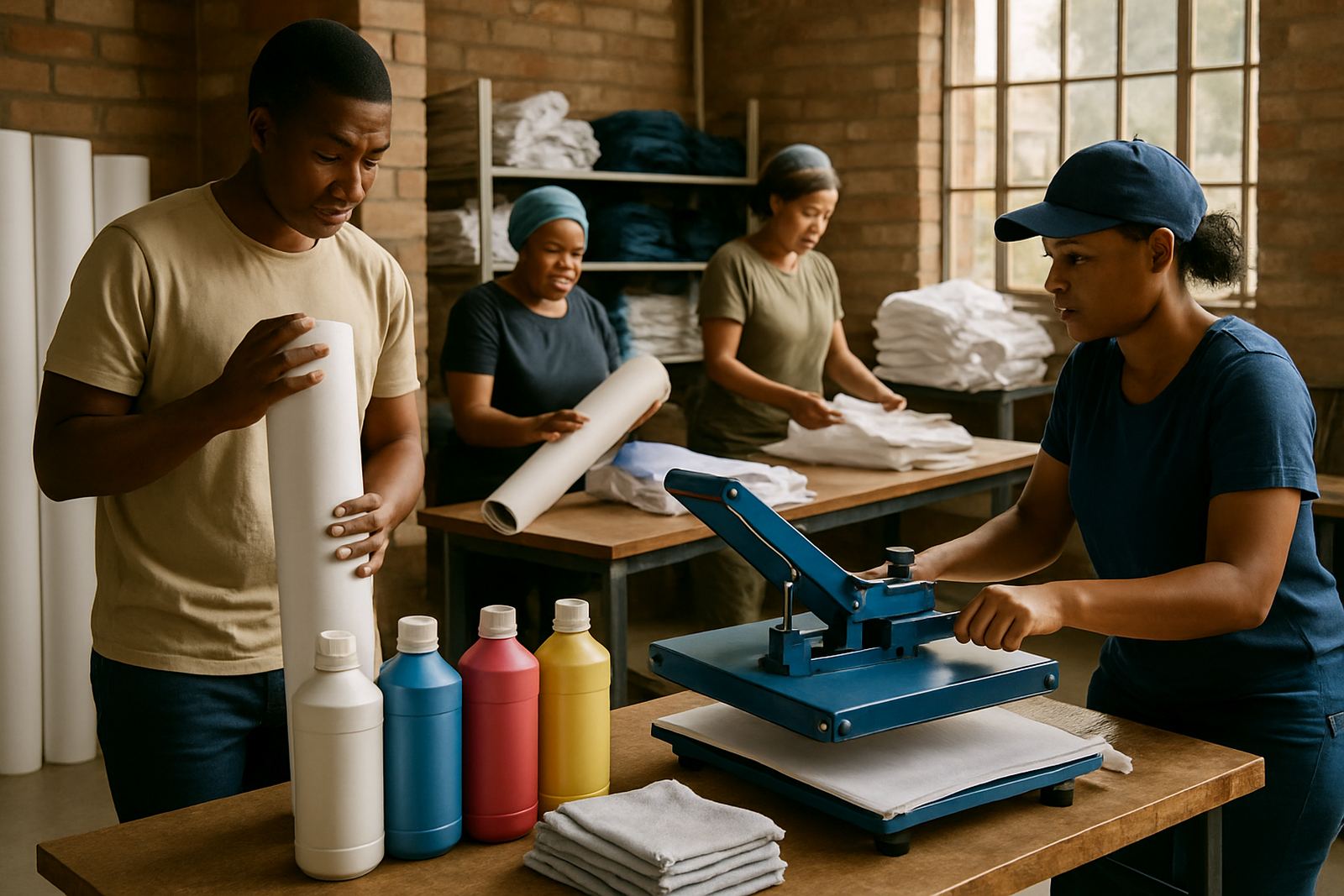
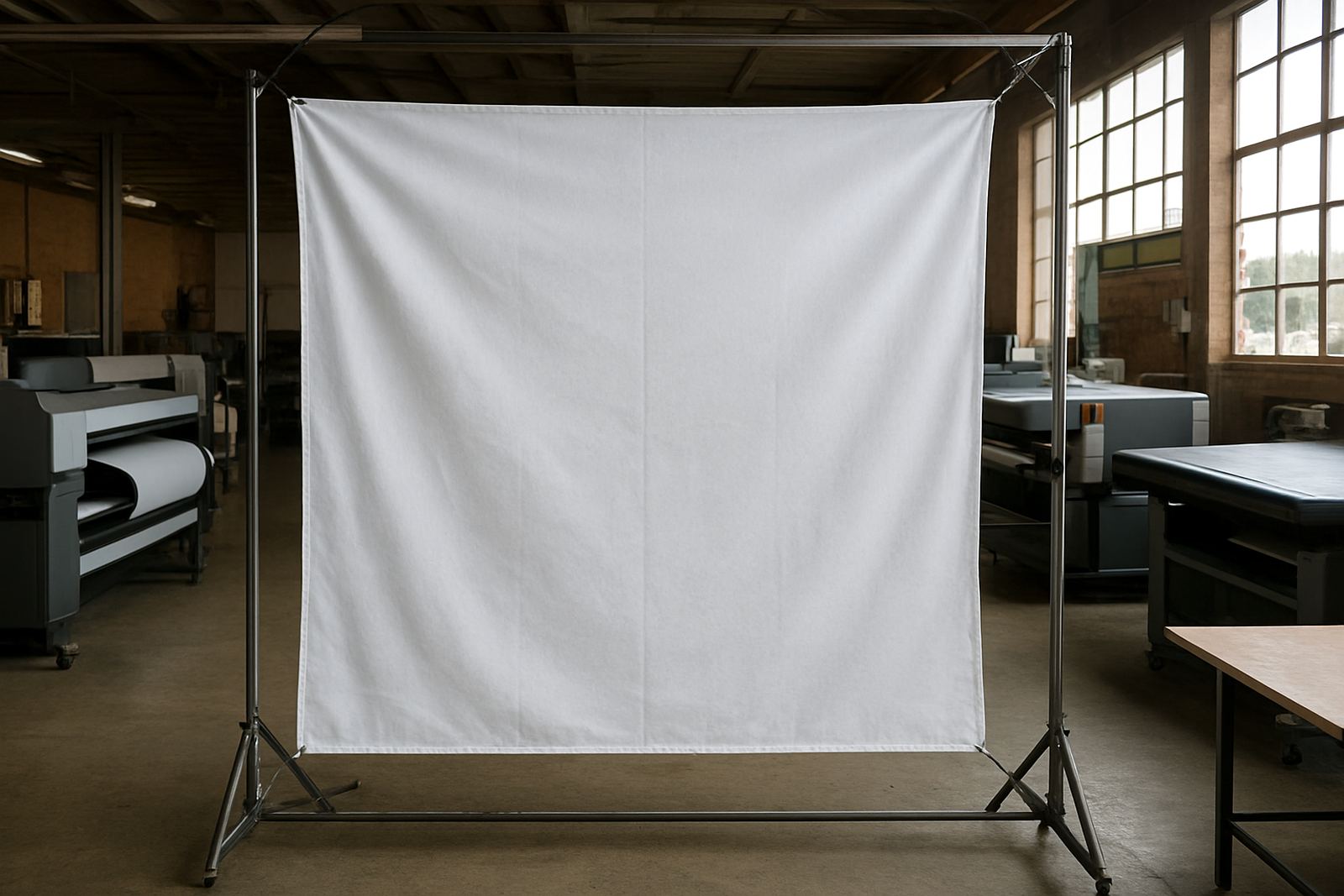
Soft signage work is often done on desktop dye-sub machines for small shops and sample runs, or on wide-format printers for volume and larger format pieces. The most common setup includes a printer with textile-compatible heads, a heat press or calendar for transfer, coated sublimation transfer paper and polyester fabric or display media selected for the final application. If the job is for a folded backdrop or a pop-up wall, the fabric choice should suit the stitching, hemming and frame system that will carry it.
For smaller print shops, the usual order is to test one or two sample panels first, then move into full production once the colour and tension on the fabric are right. For larger teams, stock planning becomes important because event work often lands with short lead times, especially around month-end and holiday periods. Load-shedding can also affect planning, so many printers keep a curing and pressing schedule that fits their backup power capacity rather than trying to run everything at once.
- Desktop printers for small runs, samples and local event work
- Wide-format printers for backdrops, exhibition walls and long fabric panels
- Heat press or calendar for transferring the print to fabric
- Polyester fabric, transfer paper and finishing tools for hemming and eyelets
- Backup power planning for press cycles during load-shedding
Planning the artwork and layout before ink goes on paper
Soft signage looks best when the artwork is planned for fabric, not just resized from a poster file. Large faces, logos and text need enough breathing room because fabric can move slightly during pressing and hanging. If the piece will be seen across a hall or from a distance at an outdoor market, use bolder line weights and avoid tiny type that could blur after transfer. The colour profile should be checked early, especially when the job includes corporate blues, skin tones or deep blacks that need to stay steady across repeated prints.
Think about the final use before you start. A backdrop for an awards night in Sandton has different needs from a stretch banner for a church event in Pretoria or a fabric wall in Roodepoort. Mounting method, lighting, fold lines and edge finishing all affect the result. If the piece is going to travel in a vehicle every week, it helps to spec a fabric that packs flat and still rebounds well. Our team can help with ink selection, compatibility checks and colour troubleshooting so the layout and material work together from the first run.
- Leave safe margins for hemming, pole pockets or eyelets
- Allow extra bleed on all four sides for transfer and trimming
- Set artwork for the actual viewing distance, not the computer screen
- Check that black fills and shadow areas do not plug during transfer
- Use sample strips to confirm shade accuracy before full production
Common mistakes that cause flat colour or wasted fabric
The most common mistakes are easy to spot once you know what to look for. Using the wrong fabric blend, pushing the ink too heavy on the transfer paper, or pressing at the wrong temperature can all change the finish. A job might look fine on the first panel and then drift in colour on the next few metres if the press settings are not kept consistent. That is especially frustrating on long runs where the fabric is already cut, stitched and booked for installation.
Another problem is skipping cleaning and line checks. If a printer has been idle over a weekend or through a power interruption, the first job can suffer from blocked nozzles or uneven output. In high humidity areas near the coast, or in storerooms that run warm and dusty, ink care matters even more. We advise customers on line cleaning and refill guidance so the print head stays in good condition and the output remains steady from batch to batch.
Budget ranges for soft signage production in Rand
Soft signage budgets vary depending on size, fabric, print length and finishing. A small sample panel or test piece can be done for a few hundred Rand, while a full backdrop or stage graphic may run into a few thousand Rand once fabric and finishing are included. For ongoing trade work, it is worth costing the ink per square metre, not just the bottle price, because coverage, waste and reprints all affect the final number. If you are pricing for an event client, keep an allowance for setup time, test strips and a bit of overrun.
Many customers in Johannesburg and nearby areas start with a modest stock plan, then build up once the usage pattern is clear. For example, a startup print shop may budget for a few litres of ink, transfer paper and a small fabric stock line first, then move to bulk order support once repeat work starts coming in. Bigger operations often prefer to keep enough stock for one or two full production weeks so they are not caught short when a rush order lands. That is where our stock planning and courier coordination help keep jobs moving.
How local support helps trade printers keep jobs moving
We work from Kya Sand, Johannesburg and support clients across Randburg, Roodepoort, Midrand, Sandton, Pretoria, the East Rand and nationwide by courier. That matters when a fabric job needs replacement ink or a quick consistency check before an install date. Our warehouse and logistics team help with packing, dispatch and sample order assistance, while technical support can talk through colour shifts, refill issues or line cleaning steps. For trade customers handling multiple soft signage accounts, that kind of backup saves time and avoids avoidable reprints.
The best soft signage results usually come from a simple plan: choose the right fabric, confirm the colour, keep the printer clean and order enough stock for the next run. Whether you are printing event backdrops, retail hanging graphics or branded fabric panels, the aim is the same. You need clean transfer, dependable colour and a process that suits your shop floor, not a setup that looks good on paper only.