Why dispatch timing matters in trade ink supply
For garment decorators, screen printers and resellers, a late carton of ink can stop a whole run. A missing black bottle, the wrong colour profile or a split parcel can mean wasted film, idle machines and a rushed reset the next morning. In Johannesburg, where courier collections can be affected by traffic, weather and load-shedding delays at depots, a proper dispatch routine is not a nice extra. It is part of keeping your production moving.
Reliable dispatch starts before a parcel leaves the shelf. The team needs to know what must go out today, what can wait until the next run, and which orders need special packing because they are going to coastal areas, smaller towns or multi-stop routes. The same applies whether the order is for one bottle set for a startup in Roodepoort or a bulk run going to Pretoria, the East Rand or further afield. When stock is packed in order, labelled properly and checked against the order line by line, the customer receives what was promised and the job carries on without drama.
The checks that stop the common dispatch mistakes
A good dispatch routine depends on simple checks done every time. These checks take minutes, but they save hours of correction later. The aim is to reduce picking errors, protect the bottles in transit and make sure the customer receives the right inks for the right printer setup.
- Confirm the order against the packing note before anything is sealed.
- Check bottle sizes and quantities, especially on repeat orders where the same item can be packed in the wrong count.
- Match the ink type to the printer range and use the compatibility note where needed.
- Inspect caps, seals and outer cartons for any signs of leakage or damage.
- Use extra padding for courier parcels travelling long distances or on routes with rough handling.
- Mark urgent orders clearly so the warehouse team and courier handover stay aligned.
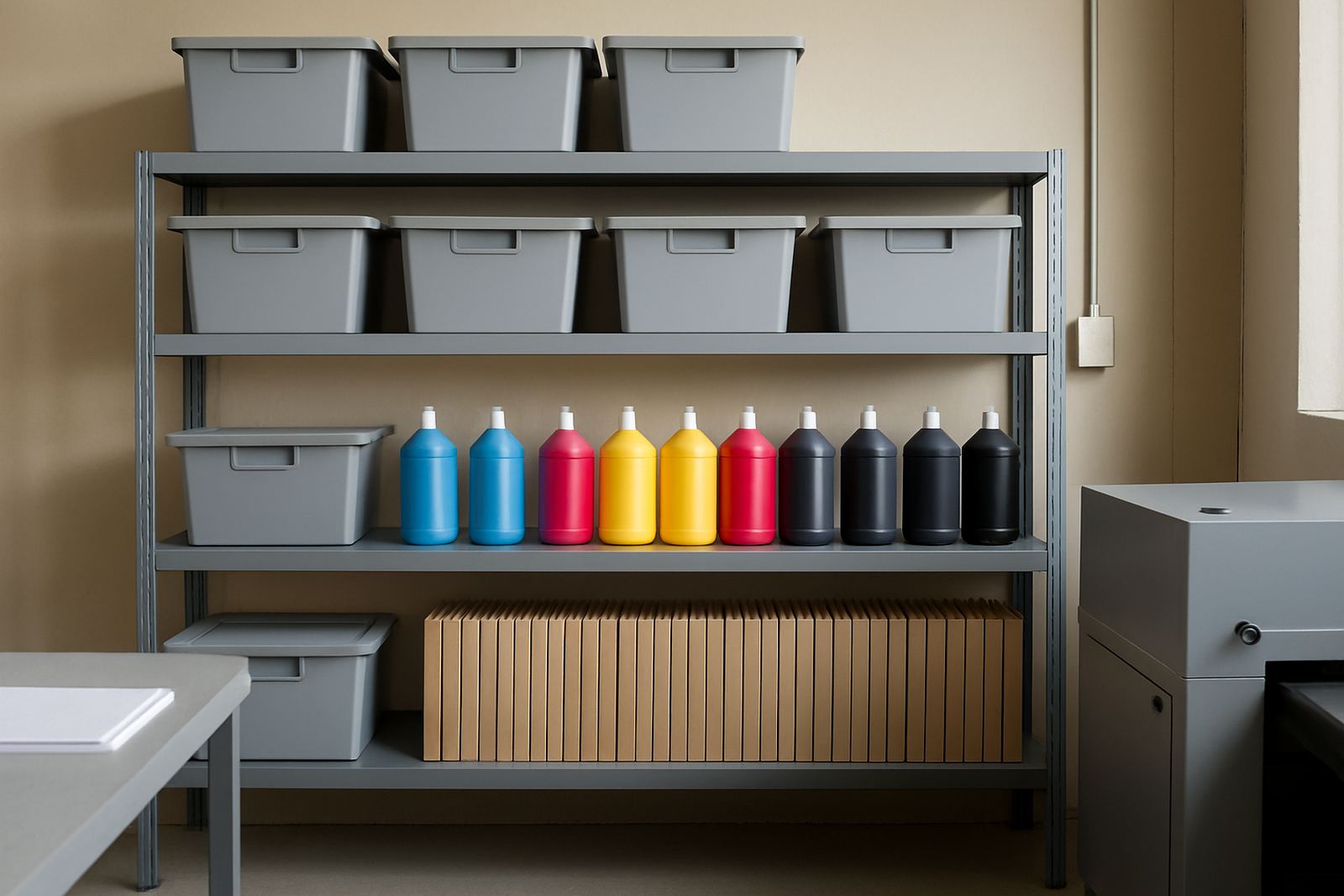
It helps to keep a clean dispatch table with enough space for sorting, checking and sealing. In a busy Kya Sand warehouse, that means avoiding clutter around the packing area and separating picked stock from waiting stock. If a bottle gets mixed into the wrong batch, the whole dispatch line slows down. A small mistake here can create a complaint in Durban, Bloemfontein or Polokwane by the time the parcel arrives.
How next-day courier planning supports nationwide trade work
Next-day courier service works best when the dispatch cut-off is respected and the order is ready before collection. For customers outside Johannesburg, that extra day of planning can be the difference between starting a run on time or telling a client to wait. The strongest dispatch routines take into account stock availability, courier collection times and the route the parcel will follow after leaving Kya Sand.
It is also worth building dispatch around trade demand patterns. A business that prints school leavers shirts on Monday and sportswear on Friday may need a different stock plan than a shop that keeps a steady monthly turnover. If a customer in Sandton or Midrand knows they use the same colours every month, dispatch can be prepared in a more predictable way. That improves turnaround and lowers the chance of urgent top-up orders during a busy week.
For nationwide deliveries, clear labelling matters. Parcels should show the correct customer name, order reference and destination so the handover remains traceable. The fewer the questions at dispatch, the faster the parcel moves. That is especially useful when courier drivers are collecting from several businesses in one run and need goods ready on the shelf, not still being checked at the counter.
Local example: a Kya Sand order with a tight turnaround
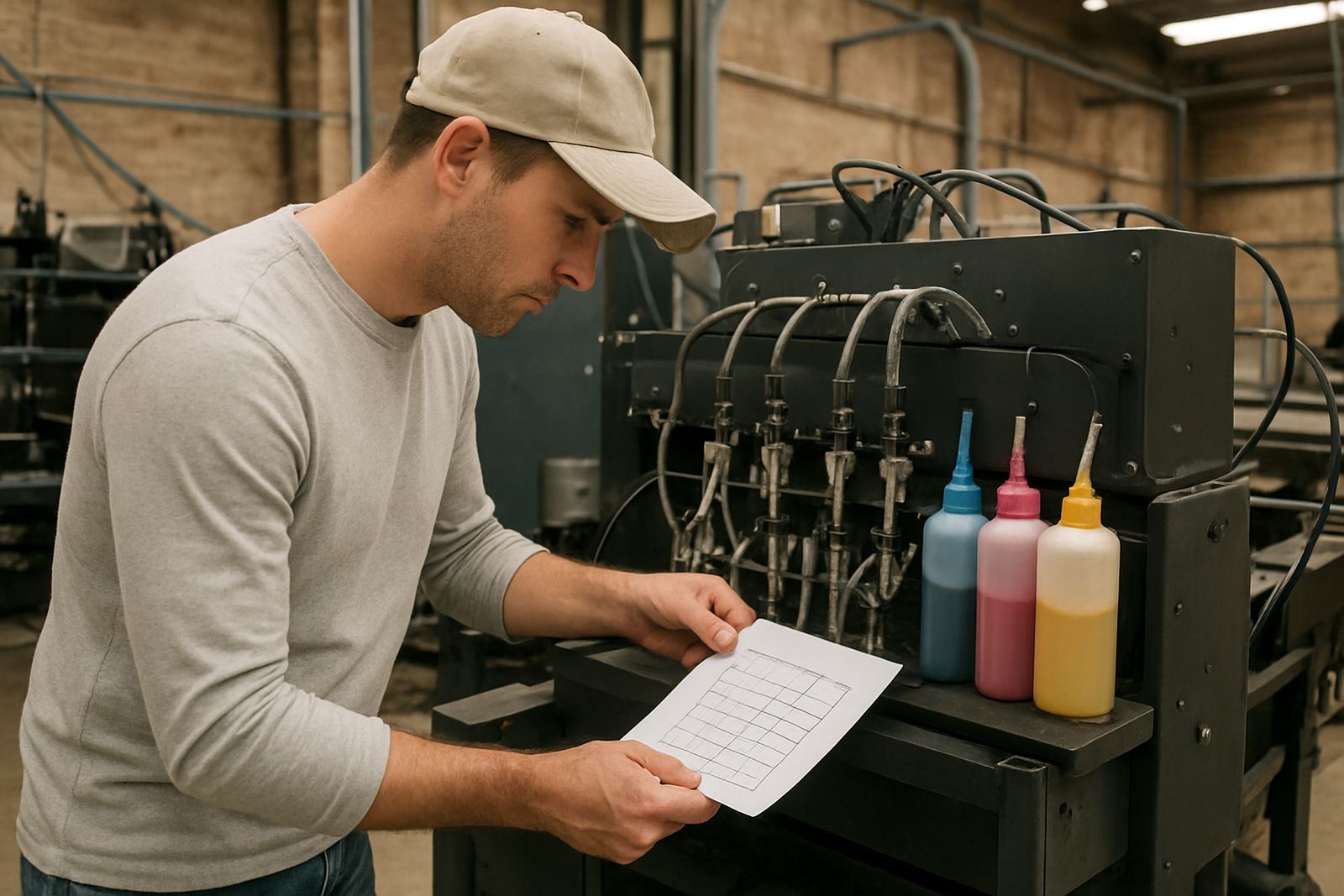
Consider a small garment printer in Randburg who receives a last-minute order for custom shirts and needs ink the next day. The printer checks colour needs in the morning, places the order through the enquiry form and asks for a compatibility check because the machine setup changed recently. The dispatch team confirms stock, prepares the carton and books the parcel for the next courier collection from Kya Sand.
Because the order was picked early, packed neatly and checked against the note, the customer gets the right shades without having to call back for corrections. The printer can then keep the press moving and finish the job on schedule. If the same order had been packed late, or if the wrong ink line had been selected, the customer would lose time at the exact moment when they needed speed most.
This is why dispatch should not be treated as a backroom task. For trade customers, dispatch is part of service. It connects stock control, technical advice and delivery into one routine that works from Johannesburg to the rest of the country.
Stock planning that keeps the dispatch shelf ready
The best dispatch areas do not depend on guesswork. They are built on stock planning that reflects real usage, seasonal demand and courier lead times. If a business knows that a certain colour sells faster before school events or before year-end promotions, it can hold enough stock to avoid shortages. That is useful for customers in Pretoria, the East Rand and beyond, where courier demand can spike in the same week.
- Review the fast-moving items every week and top up before they run low.
- Keep a buffer for repeat customers who place the same order month after month.
- Separate bulk cartons from sample orders so nothing gets mixed up.
- Record which lines need extra care in transit and pack them first.
- Use line cleaning and refill guidance to reduce returns caused by setup errors.
A well-run shelf also helps during load-shedding periods, when teams may be working around limited hours or backup power. If the order is already staged and the paperwork is ready, dispatch can move quickly as soon as the courier arrives. That kind of planning keeps the whole operation calmer and helps trade customers trust the supply chain, even when the week is busy.
What customers notice when dispatch routines improve
Good dispatch is felt in small ways. Orders arrive in the correct order, invoices and packing notes make sense, and the customer does not have to chase for missing pieces. For trade buyers, that means fewer interruptions and better confidence when quoting clients. It also means less wasted time rechecking parcels, which is a practical benefit in any workshop or print room.
Customers usually notice four things first: the order arrives complete, the colours are consistent, the packaging is intact and the handover is easy to track. If there is a question, the support team can trace the order and respond with useful information instead of guesses. That kind of service is especially important for start-ups that need advice on ink selection, as well as larger trade accounts that place bulk orders and rely on consistent stock flow.
Dispatch routines may not be the most visible part of the business, but they shape the entire buying experience. When the process is clear from picking to courier handover, customers can keep printing, keep supplying and keep meeting deadlines without unnecessary delays.
A practical routine for better dispatch every day
A simple daily routine can improve dispatch without adding complexity. Start with confirmed orders, then check stock, then pack, then verify, then release to courier. If each step is done in the same order every day, mistakes drop and staff know exactly what is expected. That consistency matters in a busy Johannesburg base where trade demand can change quickly from one day to the next.
For businesses that sell into multiple areas, including local delivery zones and nationwide courier work, the routine should be visible to everyone involved. Warehouse, logistics and customer support all need the same information. When that happens, the customer gets a clearer answer, the parcel leaves on time and the job arrives in good order. That is what dependable dispatch is meant to do.
In practice, better dispatch routines are about discipline more than complexity. Check the order, protect the stock, communicate clearly and keep the collection moving. Done well, that approach helps trade customers receive stock on time and in order, every time.