Start With the Right Setup Before Any Bottle Opens
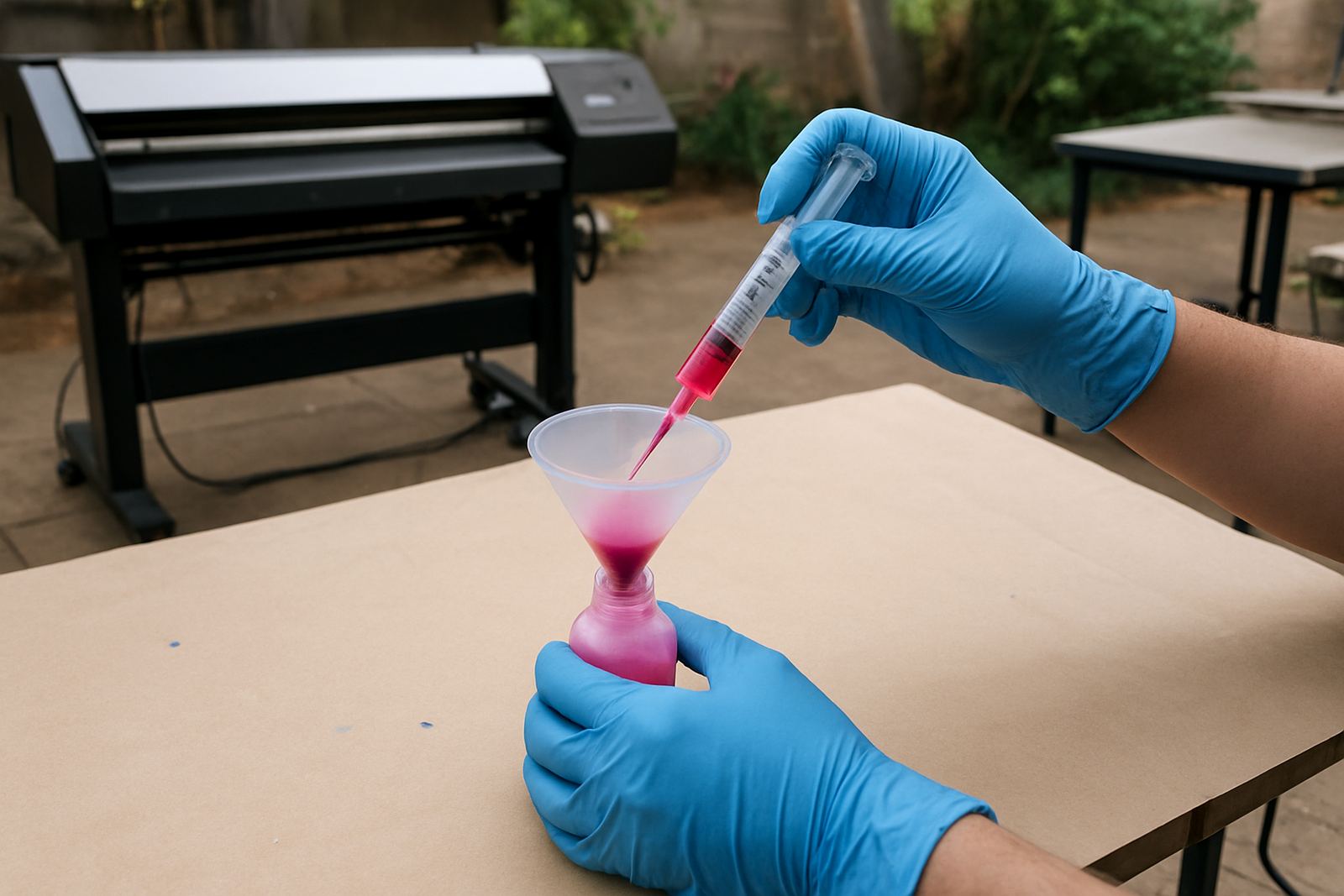
Mess usually starts before the first drop of ink moves. Put the printer on a level surface, switch it off, and give yourself enough space for the bottles, funnel or syringe, paper towel, and a small waste container. In a busy workshop in Kya Sand or Randburg, that bit of prep saves time later, especially when orders are moving fast and load-shedding has already interrupted the day once.
Check that you have the correct ink for the printer model and the correct colour order. Mixing colours during a refill can lead to streaks, weak tones, or blocked lines. If the area is dusty, wipe the top of the bottles and the fill points first. A clean opening matters more than many people think.
- Keep gloves, tissue, and a clean cloth within reach.
- Work on a flat table with good light.
- Have one bottle open at a time to avoid mix-ups.
- Keep caps nearby and place them face-up on clean paper.
Follow the Fill Sequence and Avoid Forcing Ink
The neatest refills happen when you work slowly and in the correct order. If the system uses refillable cartridges or tanks, confirm the fill point for each colour before opening anything. Never squeeze a bottle hard into a tank that is already near the top, because ink can surge back and spill over the side.
Use a steady hand and stop short of the maximum line. Leaving a small air gap helps the ink settle and reduces overflow when the printer moves or warms up. It also helps after transport. For clients sending machines between Johannesburg, Pretoria, and the East Rand, we often see overfilled tanks leaking in transit, then the whole unit needs cleaning before it can go back online.
- Refill one colour at a time.
- Stop below the full mark, not above it.
- Wipe the nozzle or funnel tip before moving to the next colour.
- Close each bottle tightly before opening the next one.
Keep Air Out of the Lines and Ink Off the Housing
Air bubbles are one of the most common causes of poor print flow after a refill. If your system needs priming, do it gently and only as much as needed. Forcing the line can pull air in with the ink, which then shows up as banding or uneven output on transfers.
Another simple habit is to hold the bottle or syringe lower than the fill opening unless the printer instructions say otherwise. That reduces splash-back and helps the ink move in a controlled way. If you do spill a drop, clean it immediately. Dried sublimation ink can stain the casing and the work surface, and on a humid day in places like Sandton or Midrand it can spread more than expected.
When the refill is done, check the outside of the printer, the cap, and the area around the fill ports before switching the machine back on. A quick wipe now prevents sticky residue later.
Match Your Refill Routine to the Size of the Job
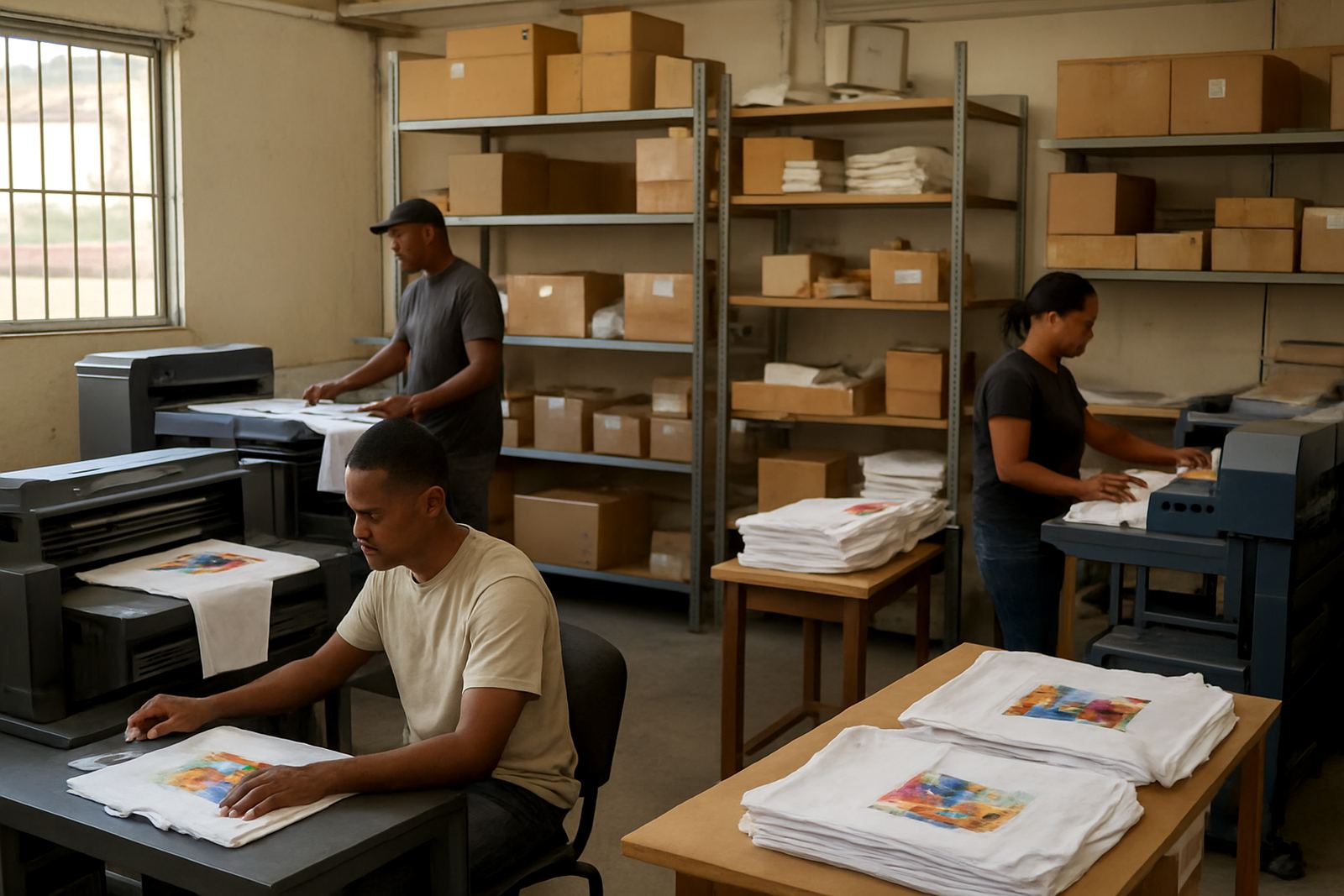
A small studio printing a few garment runs a week does not need the same refill rhythm as a busy trade shop handling screen printing support and daily transfer output. The trick is to plan stock before it runs low. Running a tank too near empty can pull in air and leave the printer idle while you wait for a top-up.
If you are in Roodepoort or Pretoria and using a couriered stock plan, keep a spare bottle set ready before peak periods. That matters at month-end, before school events, or when a client calls for urgent reprints. Good stock planning is less about buying more than you need and more about not getting caught with a dry system on a Friday afternoon.
- Top up before the tank is fully empty.
- Keep a record of how much each machine uses per week.
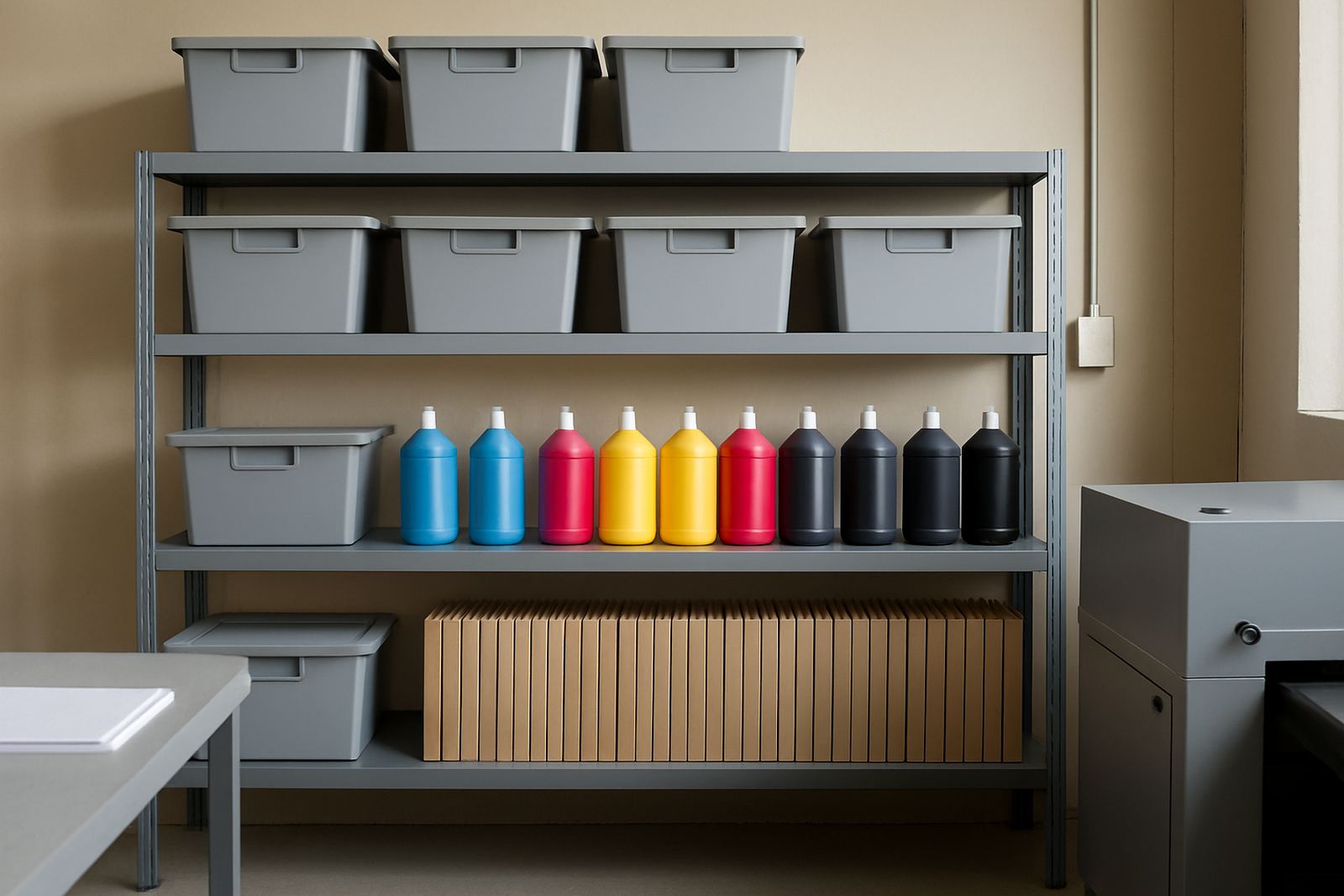
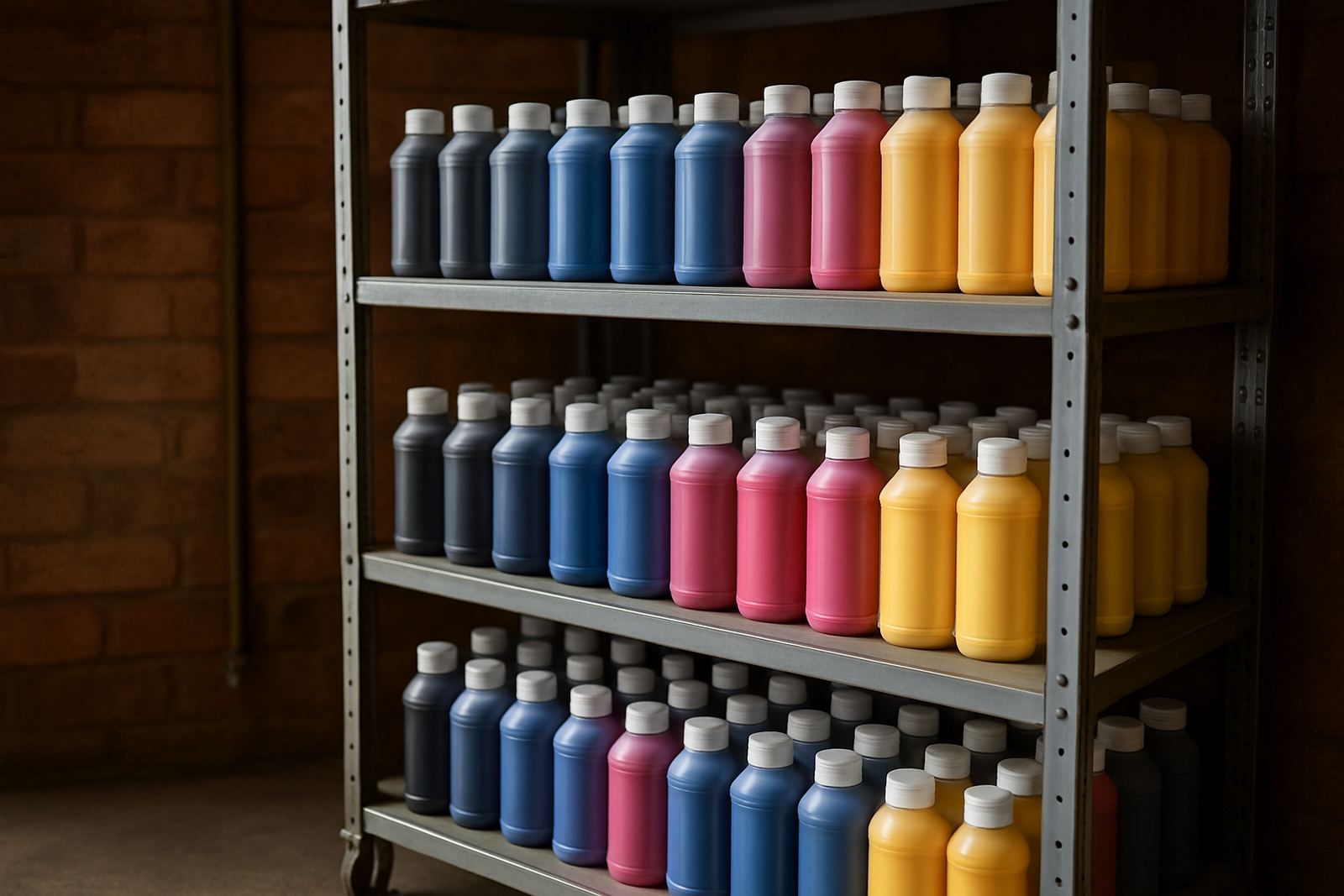
- Store unopened bottles upright in a cool, dry place.
- Rotate stock so older bottles are used first.
Check Colour Output After the Refill, Not Two Days Later
Do a quick nozzle check or sample print soon after refilling. That tells you whether the flow is clean and whether any colour is weak, broken, or mixed. If one channel looks off, deal with it straight away instead of continuing production and wasting blanks.
For garment decoration work, consistent colour matters because small changes can show up clearly on polyester shirts, mugs, or soft signage. A clean refill should give even output from the first test print. If there is banding, faded areas, or a colour shift, the issue may be air in the line, a blocked head, or the wrong refill sequence.
Keep a simple log of what changed, even if it is only one note in a notebook. In many Johannesburg workshops, that habit helps track whether the problem came from the refill, the artwork, or the printer itself.
When to Ask for Support Instead of Guessing
Some refill jobs are straightforward, but not every system behaves the same. If a printer has been standing for a while, if the colours keep drifting, or if the machine has already had a spill, it is better to get proper guidance than to keep forcing the issue. A quick check now can save a head replacement or a full line clean later.
At our Kya Sand base, we regularly help trade customers with compatibility checks, refill guidance, line cleaning advice, and startup print advice. Clients from Randburg, Midrand, Sandton, Roodepoort, Pretoria, and the East Rand can also use next-day courier for inks nationwide when stock needs to move fast. If you are unsure about the sequence or the ink match, use the enquiry form on our contact page and ask before you refill.
- Ask before changing ink types between jobs.
- Get help if the printer has been idle for weeks.
- Use sample orders when testing a new setup.
- Plan bulk refills before a production run starts.