Start With Process Control Before You Add More Jobs
Many print shops in South Africa reach a point where the orders keep coming in, but the day to day runs start to feel messy. A carton of blanks is missing, one printer is running low on a colour, and a rush order lands just as the team is trying to fix a clogged line. Growth becomes harder when the basics are not controlled.
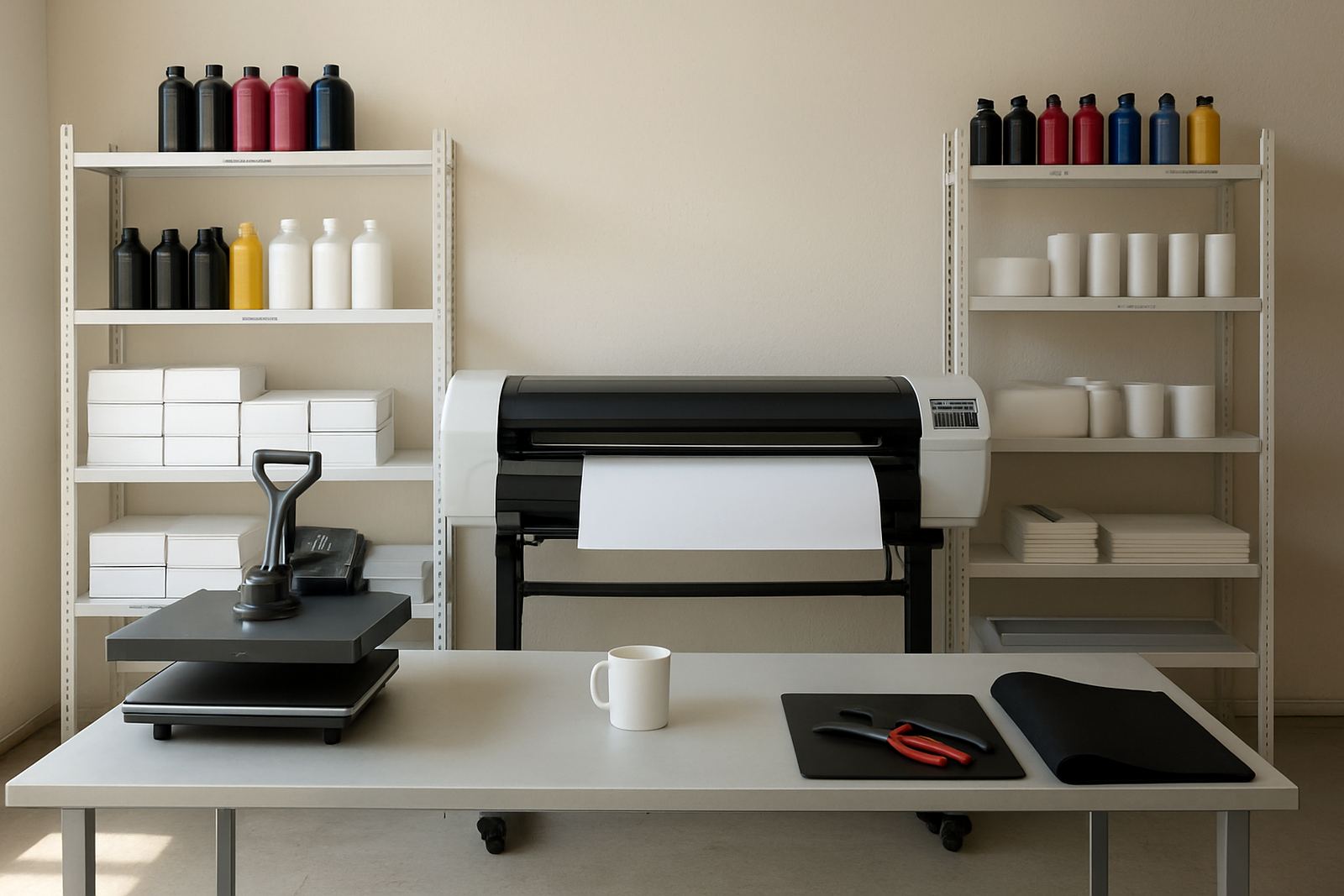
The quickest improvement usually comes from setting a simple process for ordering, receiving, storing, and issuing ink. Keep a written stock list with minimum levels for each colour, and assign one person to check it daily. In a busy workshop in Kya Sand or Randburg, that small habit can stop a production delay before it starts.
- Track how many litres or cartridges are used per week, not just per month.
- Mark every container with the arrival date and the printer it is intended for.
- Separate fast moving stock from backup stock so it is easy to find during load-shedding or late shifts.
- Record failed prints and note whether the cause was ink, head cleaning, heat, or operator error.
Choose Inks That Match The Work You Actually Do
Not every print shop does the same work, so the ink choice should follow the output, not the other way around. A business focused on garment decoration may need a different handling approach from one doing short-run promotional items or screen printing related work. If the ink is not matched to the printer and the application, colour consistency suffers and the wastage adds up.
For desktop and wide-format printers alike, compatibility checks should happen before the order goes out. That means confirming the machine type, the print head condition, the current media, and whether the shop is doing high-volume production or smaller custom jobs. A good supplier should help with that check, not just sell a container and leave the rest to the customer.
- Use the same ink range across similar machines where possible to simplify training.
- Test on the actual garment or substrate before committing to a bulk run.
- Keep a note of colour behaviour in hot weather, during winter, and in coastal humidity if you also serve Durban or other humid areas.
- Ask for refill guidance if your team changes frequently, so mistakes are fewer and cleaning time stays down.
Forecast Stock So You Do Not Lose Orders
Stock planning is one of the clearest signs that a print business is ready to grow. When orders increase, stockouts become more expensive than stock holding. A missed deadline can damage a relationship with a school, sports club, clothing reseller, or promotional client, and in a place like Johannesburg that lost order can quickly go to another supplier.
Forecasting does not need special software at the start. A basic spreadsheet with weekly usage, lead times, and expected jobs is enough for many shops. For example, if a Midrand customer is doing a run of event shirts every Friday, and the same colours are always used, that demand can be planned months ahead. This is especially useful when courier deliveries may be affected by roadworks, public holidays, or load-shedding delays.
- Set a minimum and maximum level for each ink colour.
- Review your monthly usage against confirmed orders, not guesses.
- Keep a small buffer for urgent reprints and test runs.
- Plan bulk orders when you know the next two to four weeks will be busy.
Use Supplier Support To Reduce Reprints And Waste
A supplier should help protect your margin, not just supply the product. The right support can save a lot of time when colours shift, lines need cleaning, or a print starts to look dull. For a growing shop, that support matters as much as price. It can be the difference between reprinting a job and sending it out correctly the first time.
At Sublimation Ink in Kya Sand, the practical side of support often includes ink selection help, colour troubleshooting, and line cleaning advice. That kind of help is valuable for both startups and established trade customers. It also makes it easier to train new staff because there is a clear standard to follow instead of guesswork.
- Send a sample order before switching the whole workshop to a new ink.
- Ask for consistency advice if your prints look different from one batch to the next.
- Use trade customer support when a large order needs planning around courier timing.
- Check the printer setup after any long shutdown, especially after weekend power cuts or stage 4 load-shedding days.
Local Example: A Small Shop That Grew By Tightening The Basics
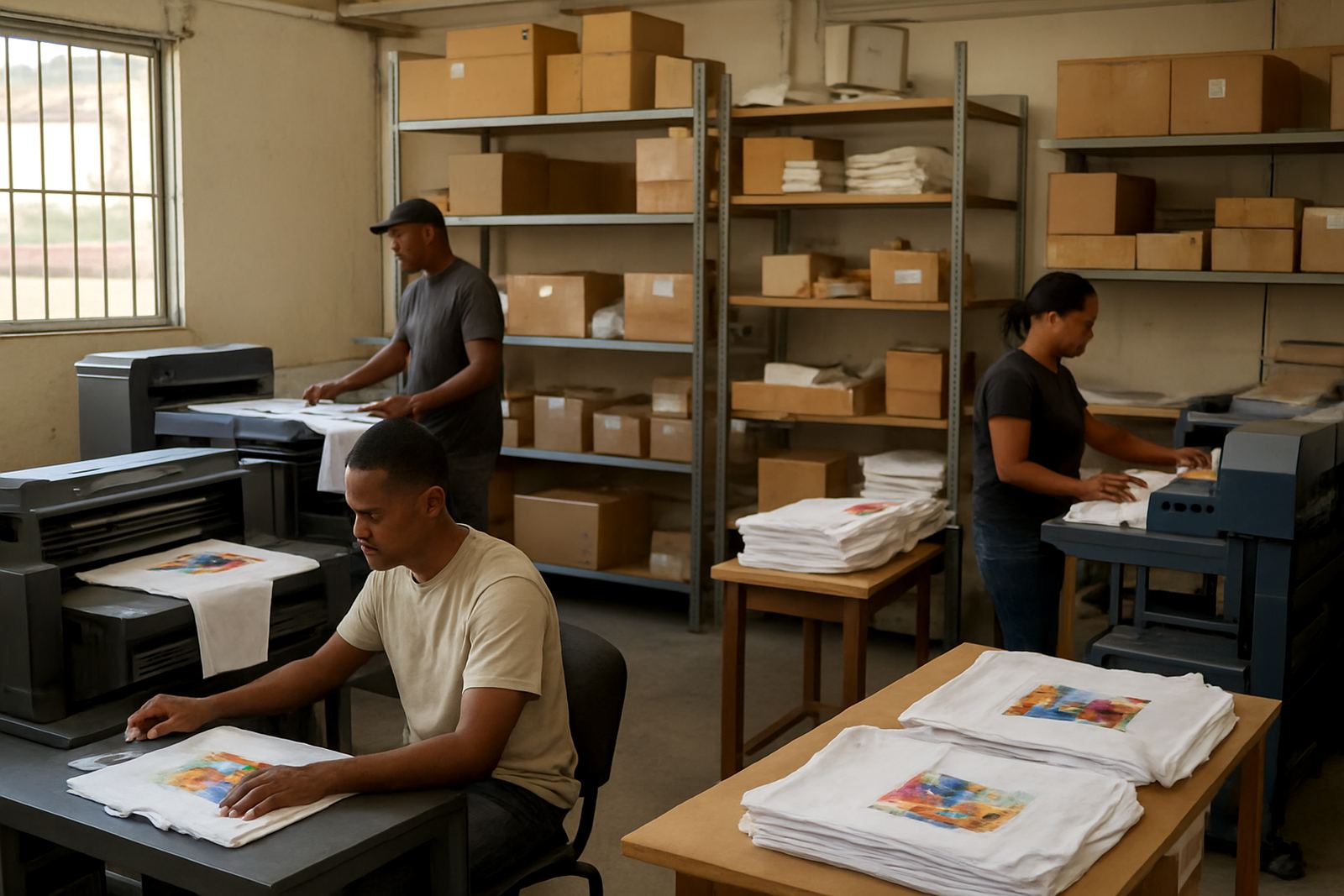
A small print shop in Roodepoort that started with one desktop printer and a few garment jobs a week can grow faster than expected once the workflow is sorted. At first, the owner may be handling ordering, colour checks, packing, and customer queries alone. The turning point usually comes when the business starts counting usage properly and matching stock to demand.
In one practical setup, the shop kept a separate bin for each colour, used a weekly stock sheet, and arranged next-day courier deliveries from Johannesburg when the buffer dropped below the minimum level. That meant fewer emergency runs, fewer machine stoppages, and less time spent explaining delays to customers. The team could then focus on larger orders and better turnaround times, rather than constant firefighting.
This kind of growth is steady, not flashy. It comes from control, not guesswork. When the admin side improves, the production side usually follows.
Plan For Scale Without Losing Colour Consistency
Once a shop starts taking on larger accounts, consistency becomes more important than ever. A business printing 20 items a week can sometimes get away with small variances, but a business producing 200 or 500 items cannot. The colour on a school shirt, staff uniform, or promotional item must stay close from one run to the next.
That is where sample order assistance, stock planning, and technical guidance all work together. Keep records of what worked, who mixed what, and which machine handled the job. If you have a warehouse supervisor, customer support coordinator, and technical lead working from the same process, the shop becomes easier to grow without losing control.
- Keep one written setup sheet for each printer.
- Train the team on the same cleaning routine and refill method.
- Store inks in a cool, dry place away from direct sunlight.
- Review production notes after every major job so the next run is cleaner.
Courier Access Makes Growth Easier Outside Johannesburg
For print businesses beyond Johannesburg, reliable delivery is part of growth. Next-day courier of inks nationwide means a shop in Pretoria, the East Rand, Sandton, or further afield can keep working without tying up too much cash in excess stock. It also helps smaller businesses in regional towns stay competitive against larger operations.
The main benefit is simple. If the supply line is dependable, the workshop can quote jobs with more confidence. That confidence helps with planning, pricing, and customer service, and it gives the business room to take on more work without stretching the team too thin.
Growing a print shop is not only about more sales. It is about fewer surprises, better planning, and the right support when the job needs attention.