Start With a Fixed Layout for Ink, Tools and Cleaning
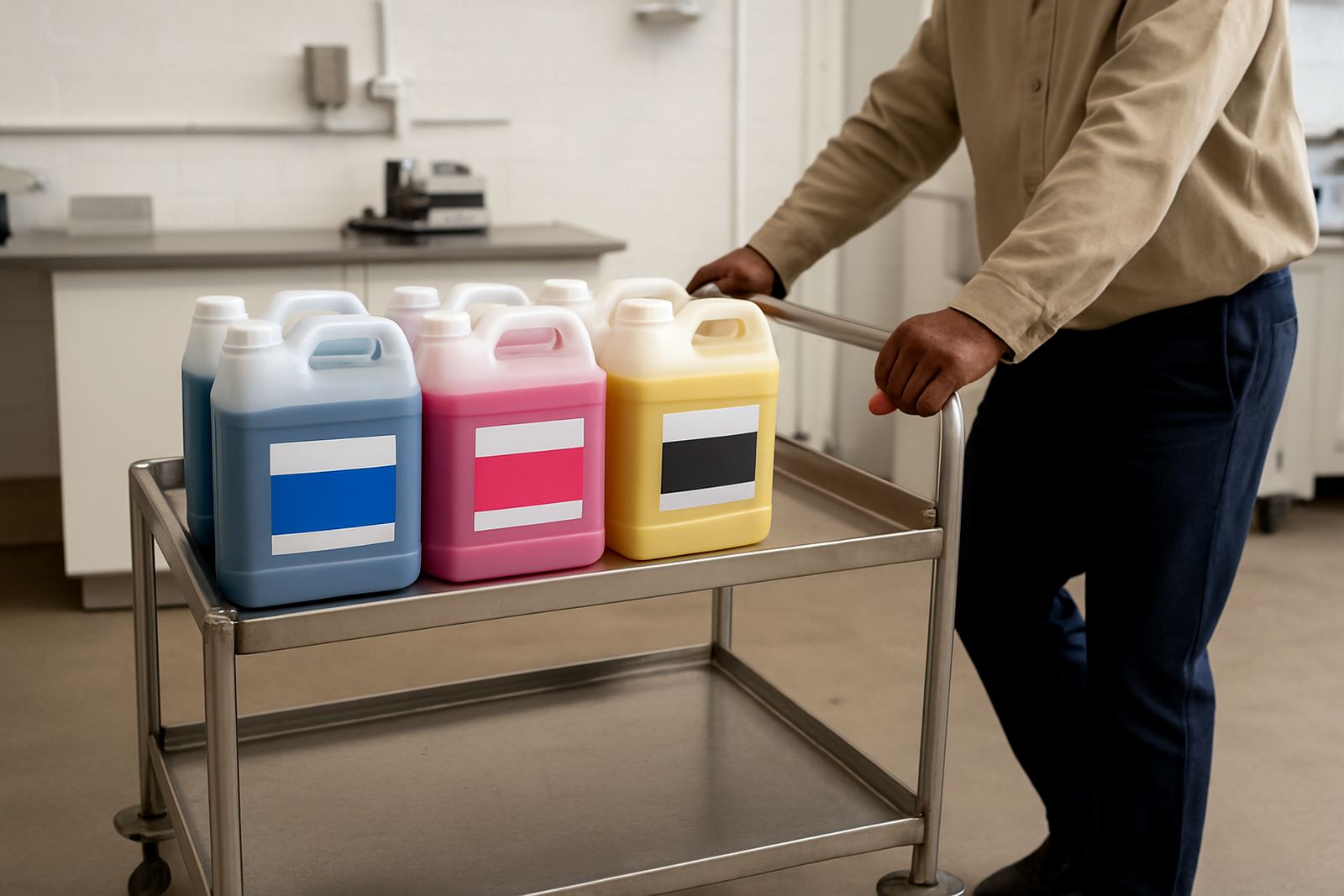
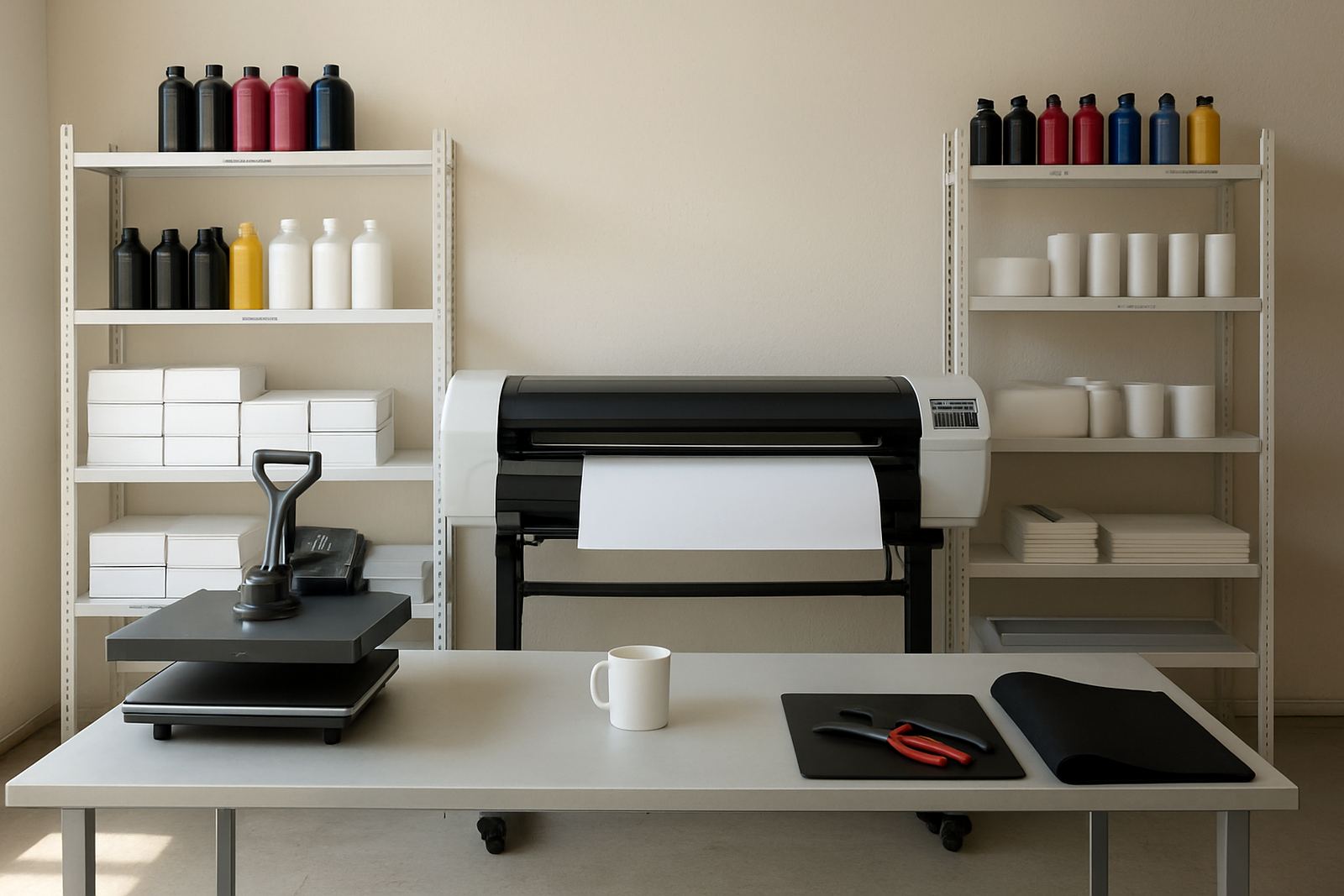
Every print room works better when each item has a clear place. Keep inks, syringes, gloves, wipes, measuring jugs and cleaning fluid in separate zones so staff do not mix up refill items with production stock. If the same table is used for filling cartridges, testing colour and packing orders, mark out the area with labels or tape so there is no confusion during busy periods.
In a Johannesburg workshop, for example, a small move like storing inks away from heat and direct sun can make a real difference. On hot days in Kya Sand or Midrand, a bottle left near a window may warm up faster than expected and that can affect handling. If your room runs on limited backup power during load-shedding, keep the layout simple enough that staff can still work safely by torch or emergency light.
- Keep open stock on one shelf and sealed cartons on another
- Store cleaning items away from paper and packaging
- Use labels that show colour, batch and opening date
- Leave enough space for a clean refill station
Use Stock Visibility to Prevent Last-Minute Panic Buying
Stock visibility is one of the simplest ways to improve print room organisation. When bottles and containers are stacked too tightly, it becomes hard to see what is low and what still has enough volume for the week. A quick visual check at the start and end of each shift helps you plan reorders before jobs are delayed.
For trade customers handling garment decoration or screen printing work, consistency matters as much as colour. If a popular shade runs out without warning, the operator may swap to a different batch or delay the run. That can lead to avoidable rework. A simple shelf system with clear count levels makes it easier to see when it is time to request more stock or arrange courier delivery.
- Mark minimum levels for fast-moving inks
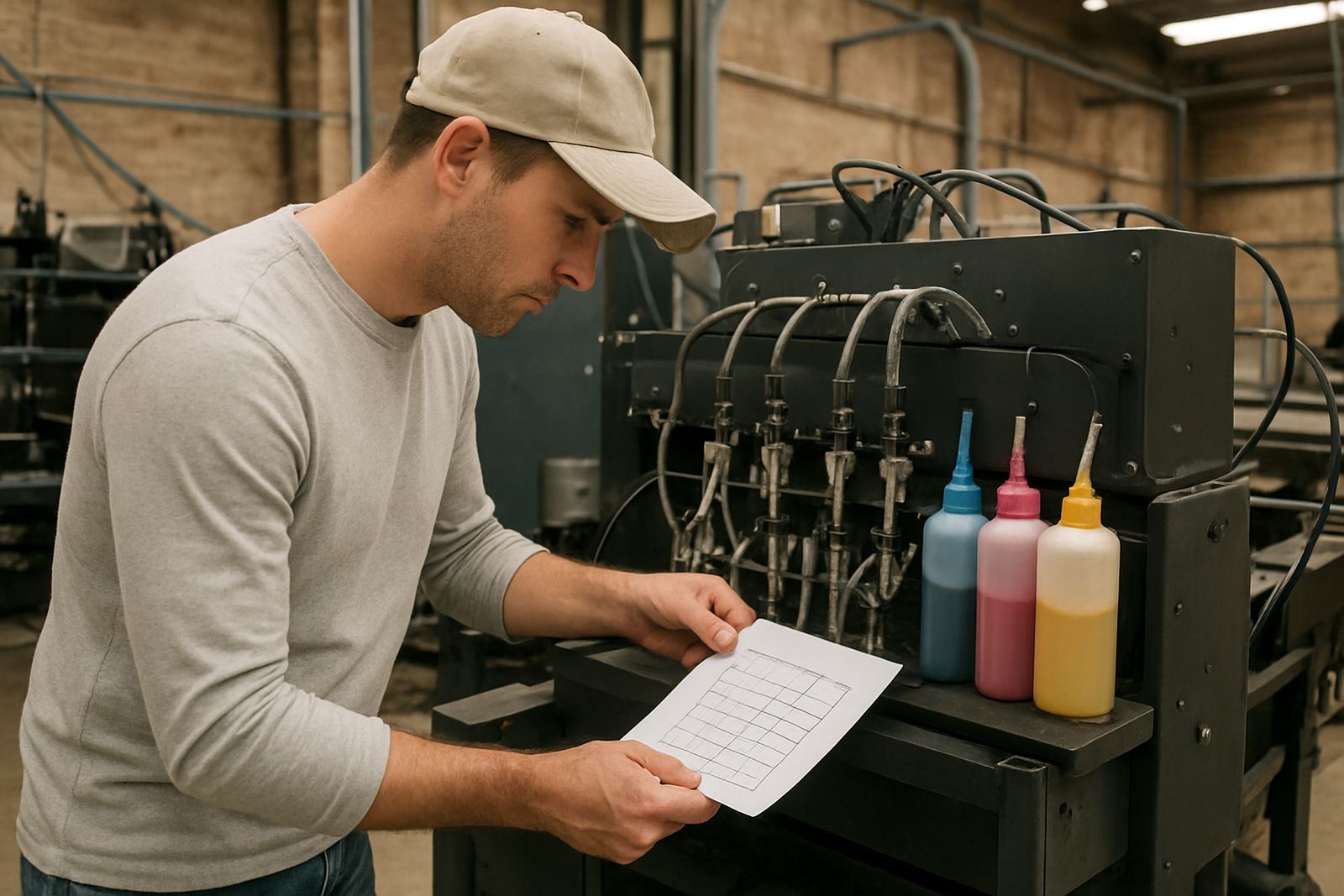
- Keep a weekly count sheet near the storage area
- Separate sample bottles from full working stock
- List the jobs tied to each colour family
Organise Refill Work So Safety Comes First
Refill work needs a calm and tidy space. Spills are easier to avoid when the print room has a dedicated filling station with absorbent cloths, caps and waste containers close by. Staff should not need to walk across the room with open bottles or half-filled containers. That is where accidents happen, especially in a busy shop with more than one operator working at the same time.
For businesses in places like Roodepoort, Randburg and the East Rand, where staff often work long production hours, a safe refill process also protects the floor and equipment. Keep the worktop clear, wipe it down after use and never leave open containers near dust, lint or moisture. Coastal humidity is not the main issue in Johannesburg, but damp weather and general dust can still affect storage if lids are not closed properly.
- Use a dedicated filling surface with easy clean access
- Wear gloves and keep cleaning cloths within reach
- Close lids immediately after filling is done
- Dispose of contaminated materials properly
Make the Workflow Follow the Job, Not the Other Way Round
A good print room should match the order of work. The flow should move from stock check to selection, then to filling, testing, cleaning and packing. When tools and consumables are scattered, the team spends more time walking around than printing. That slows production and increases the chance of mix-ups.
Think about how a typical day runs in a trade operation. One team member may be checking compatibility for a new order while another is preparing a refill and someone else is packing courier parcels. If the room is set up logically, each task can happen without crossing paths too much. This is especially useful for businesses that serve multiple areas and need next-day courier work to move out fast.
- Place the most-used items closest to the work point
- Keep new stock separate from opened stock
- Use a simple job card or checklist for each run
- Reserve one clean area for final inspection
Plan Around Local Conditions and Delivery Timing
South African print rooms deal with real working conditions, not ideal ones. Load-shedding can interrupt printers, lights and ventilation. Dust from industrial areas can settle on surfaces. On the road side, courier cut-off times affect how stock is received and sent out. Organisation helps you work through all of that with fewer delays.
A Kya Sand business may receive an order from Pretoria in the morning and need to pack it for courier collection the same day. If the print room has a labelled dispatch shelf and a fixed place for outgoing cartons, there is less risk of a parcel being missed. The same applies to urgent supply planning for customers in Sandton, Pretoria, Midrand or further afield. Clear organisation supports faster turnaround without rushing the team.
- Keep outgoing parcels in one marked dispatch zone
- Record orders that need courier handover before the cut-off
- Separate urgent stock from standard replenishment
- Allow space for backup lighting and power equipment
Build Simple Habits That Keep the Room in Order
The best organisation system is the one staff actually use every day. It does not need to be complicated. A short clean-up at the end of each shift, a shelf audit once a week and a standard place for every item will keep the room working well. Even a small team can keep a print room in good shape if everyone follows the same routine.
Teams led by Thabo Maseko and supported by people like Palesa Nkosi, Pieter van der Merwe, Yusuf Moosa, Elmarie Kruger and Bongani Shabalala would all agree on one point: when the room is ordered properly, customer work becomes easier to handle. Fewer refills go wrong, stock is easier to count and the whole operation feels calmer, even when orders are heavy.
A print room does not need to look fancy. It just needs clear shelving, safe refill habits and a layout that helps people work. That is what keeps the shop moving, day after day, without wasting ink or time.