Why Resellers Need Volume Planning, Not Just Lower Pricing
Resellers often start by comparing unit price, but the better question is how much stock you need to keep moving without tying up too much cash. If your buyers are spread across Johannesburg, Pretoria, Rustenburg and the coast, demand can be steady in one area and stop-start in another. Bulk buying works when you plan for repeat orders and account for delivery lead times, not just the next invoice.
In Kya Sand, we see many trade customers reordering on a 2 to 4 week cycle. A reseller serving print shops and garment decorators will usually do better with a planned stock level than with ad hoc buying. That keeps colour batches more consistent and helps you avoid urgent courier costs when a customer runs out mid-job.
- Match your stock level to actual monthly turnover, not guesswork.
- Keep a buffer for busy periods like year-end promotions and school events.
- Track which colours move fastest in each region.
- Separate fast sellers from slow movers so cash flow stays healthy.
Choose Ink Quantities Around Printer Mix and Customer Demand
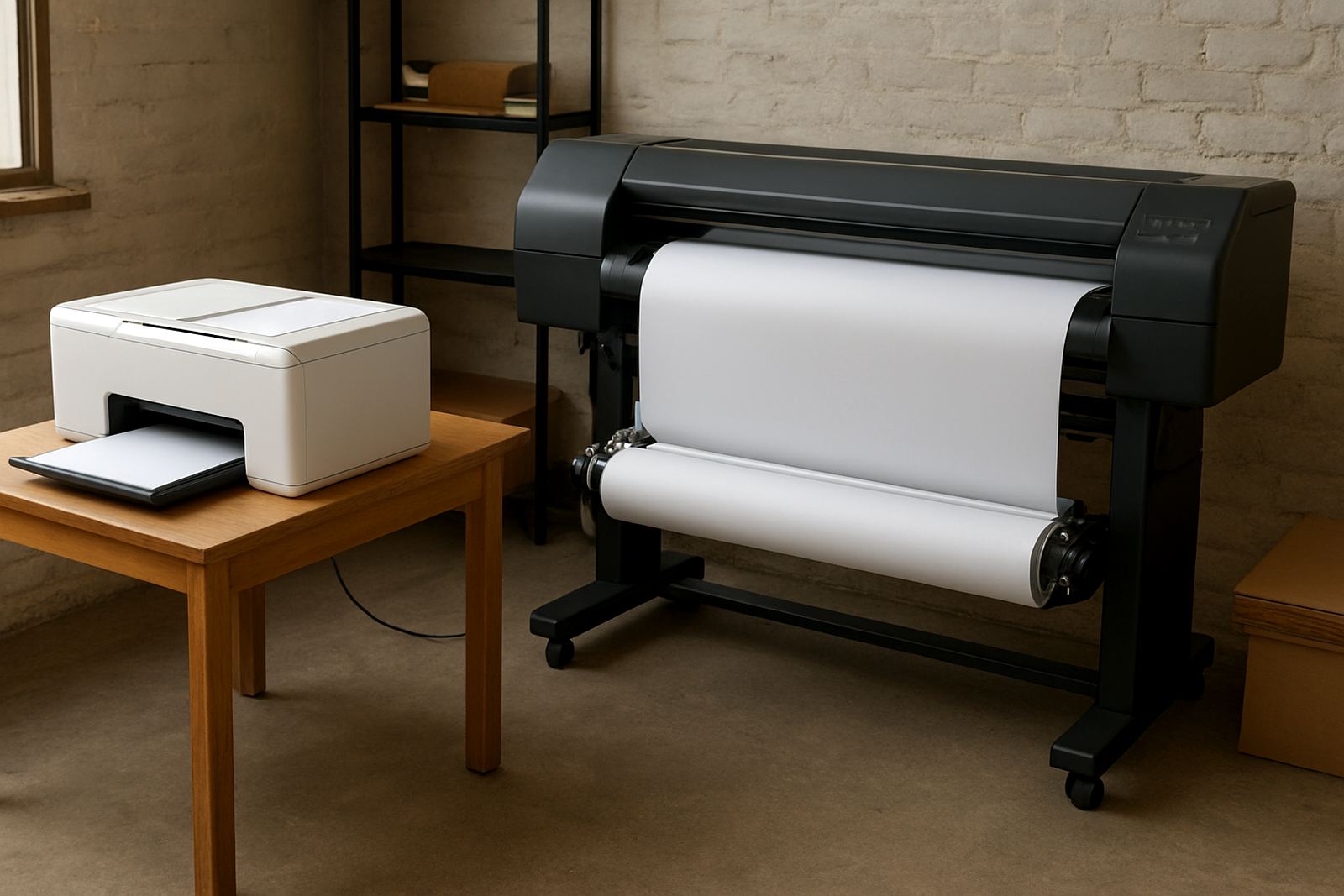
Resellers who supply both desktop and wide-format users need to think in two layers. Smaller businesses often want compact quantities for short runs and samples, while larger print houses may use higher volumes for garment decoration and screen printing support. If you stock for both, the right mix matters more than simply ordering the biggest pack size available.
Ask what machines your customers are using and how often they print. A shop in Randburg doing personalised T shirts may need frequent top-ups in smaller packs, while a distributor servicing multiple stores in Midrand may want deeper stock on standard colours. The goal is to reduce dead stock while keeping the colours your buyers ask for most.
- Check whether customers run desktop or wide-format printers.
- Keep popular process colours in deeper stock than specialty colours.
- Plan for repeat orders from schools, clubs and promo businesses.
- Use sample orders to test demand before committing to larger volumes.
It also helps to know which colours sell well during the winter months versus the festive season. That kind of pattern can change your ordering decisions by a fair margin.
Compatibility Checks Save You From Returns and Callbacks
One bad mismatch between ink and printer can cost more than the margin on a whole order. For resellers, compatibility is a practical issue, not a technical nice-to-have. If you are supplying trade customers across Gauteng or sending courier stock nationwide, you need a simple way to confirm what fits what before the box leaves your hands.
Keep a record of the printer types your customers use, the ink channels they run and any past issues with nozzle blockages or faded transfer results. A proper compatibility check reduces the chance of complaints later and helps your customer trust your recommendation. It also makes stock planning easier because you can see which products are repeatedly requested.
- Confirm printer model, ink channel type and intended use before sale.
- Ask whether the customer prints daily or only for peak periods.
- Check if the buyer is using old stock that may affect colour output.
- Record common fault patterns so you can advise faster next time.
Packing for Load-Shedding, Heat and Coastal Humidity
South African conditions matter. In Gauteng, load-shedding can interrupt production and cause customers to rush orders once power returns. On the coast, humidity can affect storage and handling, especially if stock sits in warm rooms or near open windows. Resellers who buy in bulk should store ink properly, rotate stock and avoid letting cartons sit in the sun during transport.
Good stock handling also matters for municipal and trade compliance where customers need clean, traceable supply records. If you are delivering to a workshop in Pretoria or a home-based printer in Roodepoort, make sure the order is labelled clearly and stored in a cool dry place once received. Small habits make a big difference to shelf life and colour stability.
- Store cartons off the floor and away from direct sunlight.
- Rotate older stock first so nothing sits too long.
- Keep opened containers sealed when not in use.
- Use a simple stock log with dates and colour counts.
How Kya Sand Resellers Use Courier Reach to Grow Trade Sales
A local example makes the maths clear. A reseller in Kya Sand may supply a mix of small print shops in Sandton, start-up garment decorators in Midrand and a few regular customers in the East Rand. Instead of buying only when someone places a rush order, the reseller can set a base stock level for the top moving colours and then top up weekly or fortnightly by courier. That keeps the business responsive without overbuying.
Because next-day courier delivery is available nationwide, trade customers do not need to hold every possible colour on the shelf. They can focus on the items they sell most, then add bulk support for the rest. That is especially useful when demand is spread across towns and the order pattern changes from month to month.
For many resellers, the best setup is a mix of regular stock and planned replenishment. That gives you enough depth to handle recurring demand, while still leaving room to respond when a new customer starts ordering.
What to Ask Before You Place a Bulk Order
Before you commit to volume, make sure the order fits your sales pattern and storage space. A larger buy should support turnover, not strain it. If you work with multiple customer types, ask a few practical questions before confirming quantities.
- Which colours are your top sellers over the last 60 to 90 days?
- How often do customers reorder, and from which towns?
- Do you need help with stock planning for peak months?
- Will you need sample order assistance for new accounts?
- Are there any recurring line cleaning or colour troubleshooting issues?
Bulk buying for resellers works best when support is part of the order, not an afterthought. Clear advice on ink selection, refill guidance, consistency and courier coordination saves time and helps you keep trade customers moving. When your stock is planned properly, you spend less time firefighting and more time serving repeat business.