Start with how much you actually print
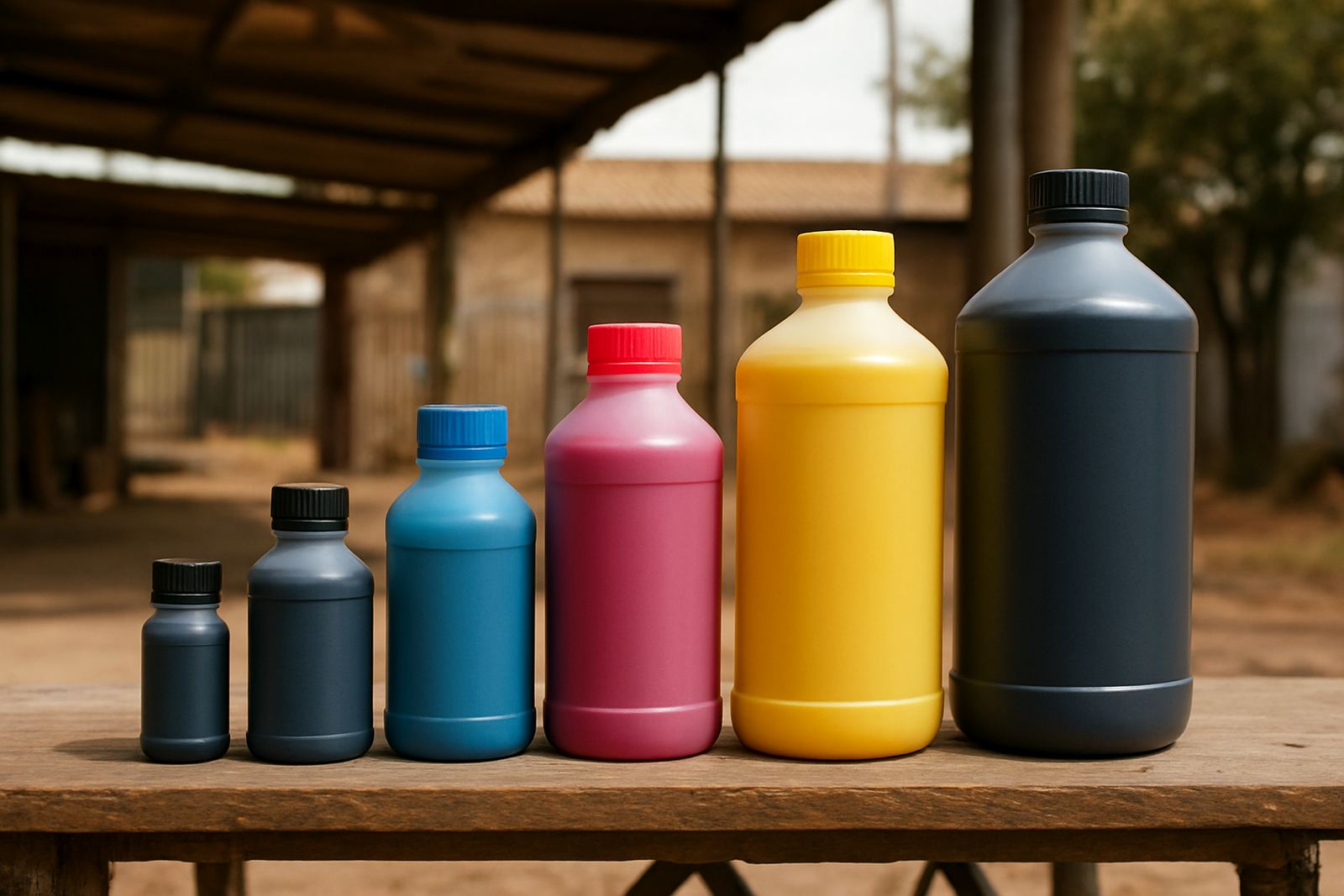
The best bottle size is the one that matches your real monthly usage, not the one that looks cheapest on the shelf. A shop running a few mugs and T shirts a day will use ink very differently from a business doing schoolwear, corporate gifts or sports kits in batches. If you buy too large a bottle for light use, the ink may sit for months before it is opened and that ties up cash. If you buy too small, you will be refilling often and wasting time during production.
In Johannesburg, many small print rooms work from mixed orders. One week it is ten caps and a handful of A4 transfers, the next week it is a rush job for 80 shirts. In that kind of pattern, it helps to track average usage over 4 to 6 weeks. Once you know how often you refill, you can choose a bottle size with less guesswork and fewer interruptions.
- Light use: smaller bottles can keep stock moving and reduce money sitting on the shelf.
- Regular daily use: mid sized bottles often give the best balance of cost and convenience.
- Higher volume work: larger bottles may cut down on ordering and refilling time.
Think about storage, heat and handling
Bottle size affects storage just as much as print cost. A crowded work area in Kya Sand or a small back room in Randburg may not have room for many large bottles, spare caps and cleaning materials. Larger containers also need careful handling. If they are opened and closed often, you want a clean, dry area away from dust and direct sunlight. That matters even more in summer, when heat can build up in a storeroom.
Smaller bottles are easier to lift, pour and label, especially when staff are working quickly. Larger bottles reduce the number of packs on the shelf, but they can be awkward if the team is moving between jobs or working around a busy press table. For shops that also store paper, garments and packaging, the footprint of the ink stock matters.
- Check shelf height and width before choosing large bottles.
- Keep bottles sealed and upright to avoid spills and contamination.
- Store stock in a cool place, especially in hot inland conditions.
Lower cost per millilitre is not always the cheapest option
It is easy to look at the price per millilitre and assume the biggest bottle is the smartest buy. Sometimes it is, but not always. If your turnover is slow, a large bottle can lock up cash that you may need for blanks, transfer paper or courier costs. That matters for startup shops and seasonal businesses. A bottle that looks cheaper on paper may become expensive if it is left sitting while you wait for orders.
On the other hand, frequent small purchases can add up in courier fees and admin time. For a business in Pretoria or Midrand that wants steady production with fewer stock runs, a mid sized bottle may be the better trade off. The question is not only what the bottle costs, but how often you will need to replace it and how much time your team spends handling stock.
- Compare bottle price, expected usage and courier cost together.
- Count how often you stop production to refill.
- Use your busiest month, not your quietest month, to judge demand.
Match bottle size to printer type and job mix
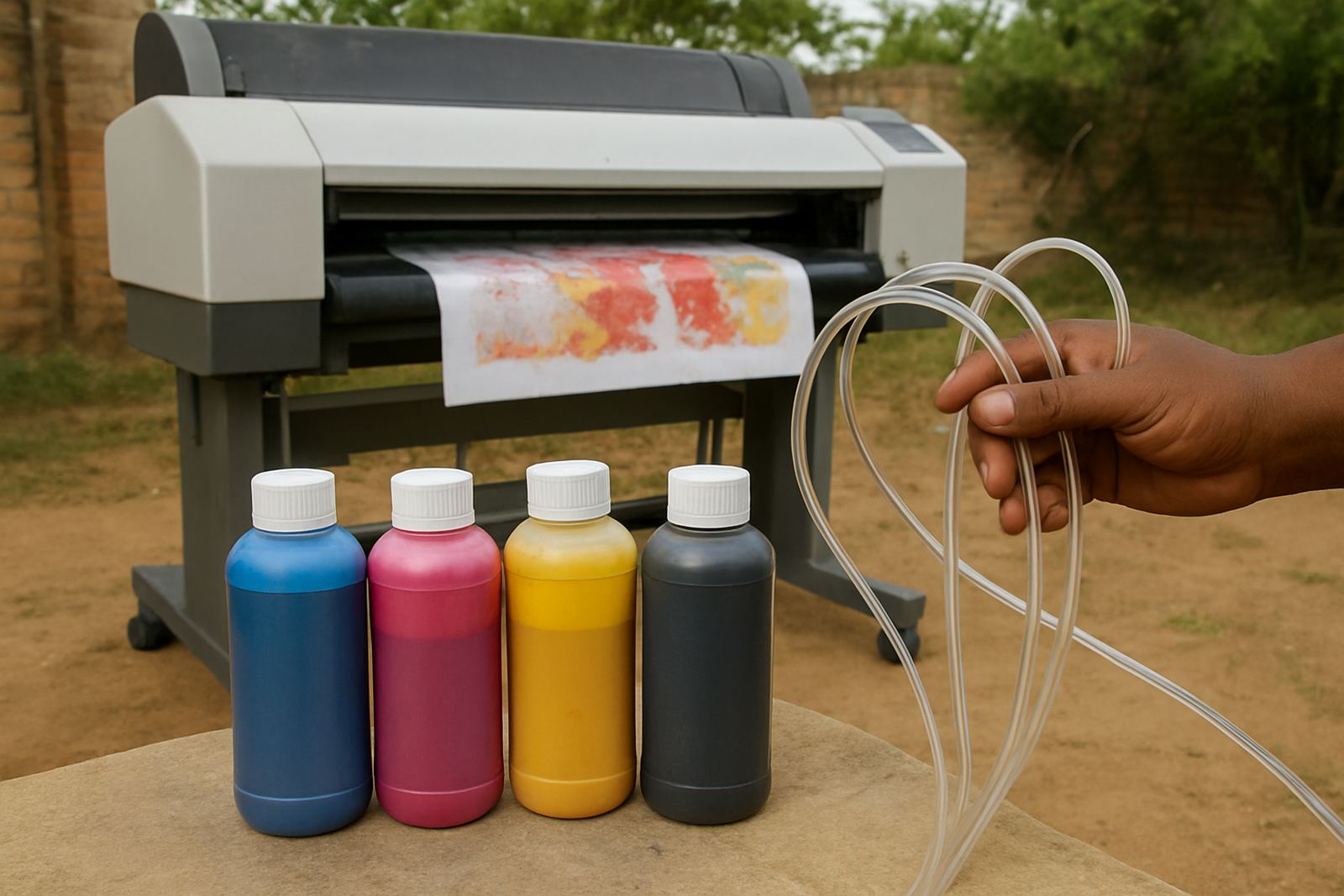
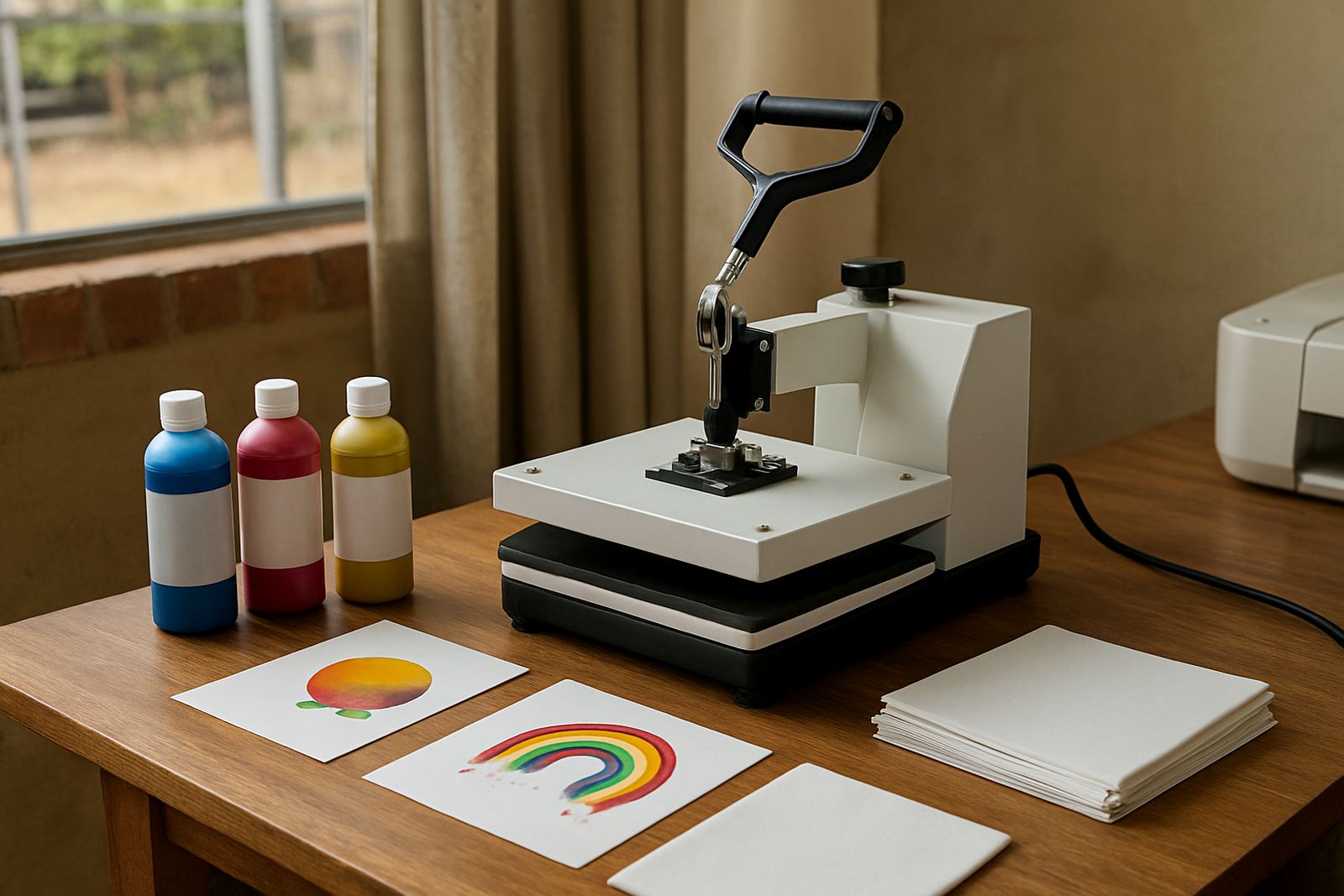
Desktop printers and wide-format printers do not always need the same bottle size strategy. A desktop machine used for personalisation, sample work or short runs may do well with smaller bottles because the operator can monitor colour changes closely. A wider machine used for larger transfer sheets, garment decoration or recurring production jobs usually benefits from larger bottles and a more planned stock system.
Your job mix matters too. If you mostly do short runs with colour changes and washouts between jobs, it is worth keeping bottle size manageable so you can move between inks and cleaning routines without waste. If you run repeated jobs for uniforms or school orders, higher volume bottles can help keep production moving. Pieter van der Merwe in technical support often says the right size is the one that fits the machine and the order pattern, not just the bottle label.
- Short runs and samples: smaller bottles can be practical.
- Regular repeat orders: medium or larger bottles may reduce changeovers.
- Wide-format use: plan for higher consumption and more careful stock control.
Use refill habits to avoid colour problems
Refill timing can affect output quality. If a bottle runs too low, air can enter the line or the printer may begin to miss ink, leading to uneven colour or interrupted production. That is frustrating when you are trying to finish an urgent order in Roodepoort or East Rand and the presses are already booked. Keeping enough stock on hand is part of colour control, not just logistics.
For many shops, the answer is not one giant bottle but a system. Keep working stock in the production area, with reserve stock packed neatly in the storeroom. That makes it easier to monitor what is open, what is sealed, and what needs reordering. It also helps during load-shedding because you are less likely to lose time searching for a replacement bottle or scrambling for stock mid job.
- Set a minimum stock level for each colour.
- Record usage by job type so you can predict refill timing.
- Keep a reserve set for busy weeks and courier delays.
A Kya Sand example: small shop, mixed orders, better planning
A typical Kya Sand print room may serve local clothing decorators, screen printers and gift shops all in the same week. Suppose the business has one desktop printer for samples and a wider printer for production transfers. If they buy only large bottles, the sample machine stock may sit too long. If they buy only small bottles, the production side needs constant top ups. The practical answer is often a mixed approach, with bottle sizes chosen by machine and usage rather than one size for every colour.
That same shop may also need next day courier to clients in Sandton, Randburg, Pretoria or further afield. In that case, stock planning is part of customer service. Having the right bottle sizes on hand helps the team avoid delays and keep orders moving when the week gets busy. It also keeps storage tidy, which makes counting stock easier for the warehouse team.
- Use smaller bottles for low-volume or test work.
- Use larger bottles where daily output is steady.
- Review sizes every few months as sales patterns change.