The point where small bottles stop making sense
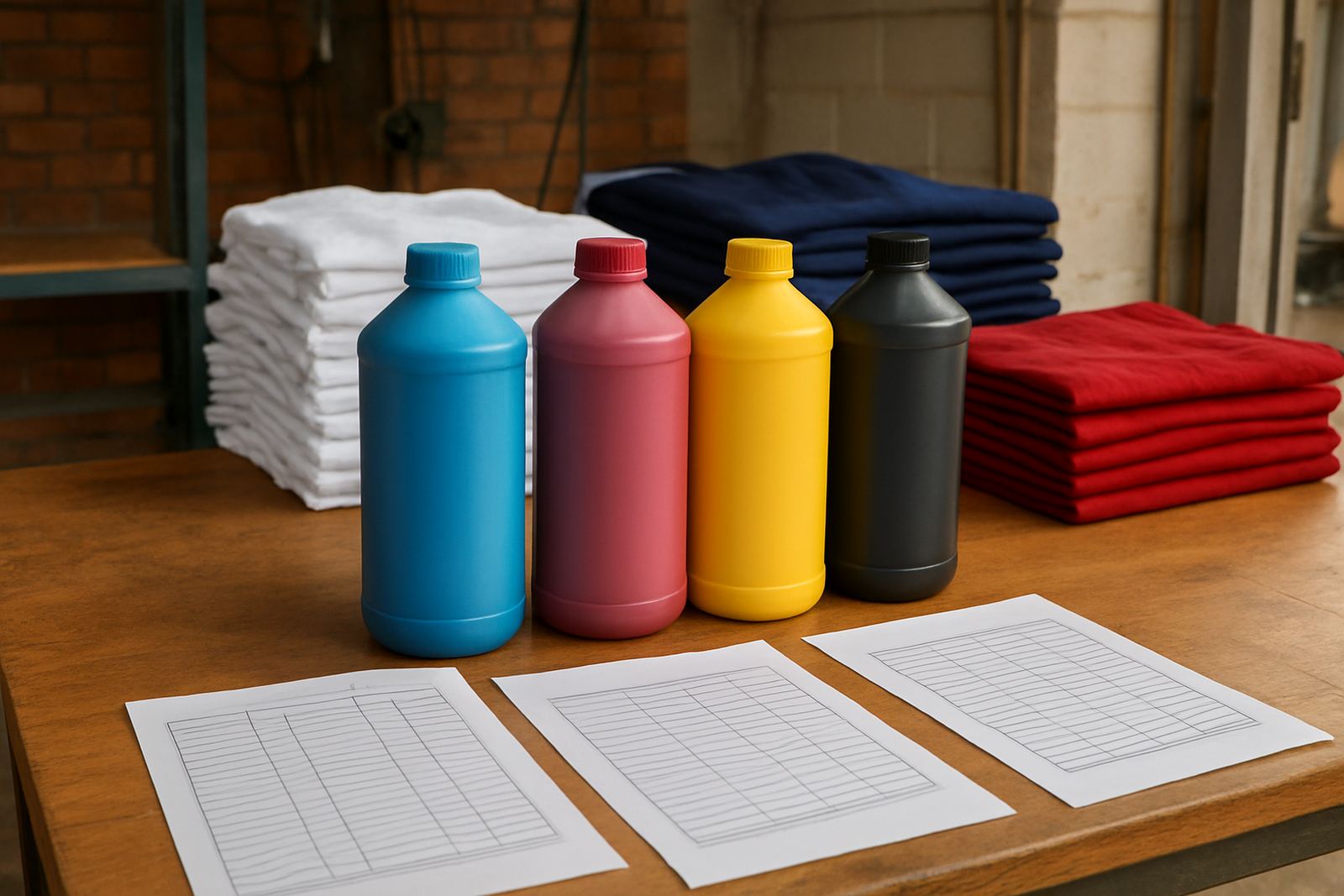
Most businesses begin with smaller bottles because the first goal is simple: test colour, check compatibility and keep cash tied up to a minimum. That works well when you are still building orders or doing irregular work. The switch to bulk usually happens when you are refilling often enough that the time spent opening, decanting and reconciling stock starts costing more than the saving on a small order.
As a rule of thumb, bulk is worth looking at when you are using the same ink consistently across the month, not just for a once-off rush. If you are ordering every week or every second week, and your team is spending time managing low stock warnings, you are already in the zone where bulk can reduce disruption. It also helps when you have more than one printer running, because one machine can drain a colour faster than expected if the work mix changes.
Turnaround pressure changes the maths
In Johannesburg, turnaround pressure is often what pushes a business into bulk purchasing. A customer wants shirts by Friday, a school order lands on Tuesday, or a trade client needs a repeat run with no colour shift. If you have to wait for new stock while jobs sit in queue, the delay can affect the whole week.
Bulk buying gives you breathing room. It keeps the next refill on hand, which is especially useful when courier cut-off times, public holidays or load-shedding interrupt your normal routine. When stock is already in the cupboard, your team can keep printing through a busy period instead of pausing to manage a shortage. That matters more than the few rand saved on a single bottle.
- Frequent repeat jobs with the same colour set
- Short client deadlines and next-day handovers
- Multiple printers sharing one stock room
- Busy months before school terms, events or year-end
- Jobs where a missed day affects the whole delivery plan
Refill intervals tell you when your stock plan is too tight
If you are refilling so often that it becomes part of the daily routine, your stock plan is probably too tight. Small businesses sometimes keep just enough ink for a few jobs, then order again when the last bottle is opened. That can work for a while, but it leaves little room for a surprise rush or a delivery delay.
A better approach is to watch refill intervals over three or four weeks. If each colour gets touched every few days, or if one line runs out faster than the others, bulk can help you keep the balance between colours. It also gives you time to clean lines properly and plan replacements without panic. In coastal areas, where humidity can affect storage, having fewer emergency orders and a better stock cycle can be a real advantage. Keep lids tight, store bottles out of direct sun, and check dates before decanting.
Where bulk saves more than money
Bulk is not only about a lower unit cost. It can also save time on admin, handling and courier coordination. One larger order is easier to receive, book in and store than several small orders arriving through the month. For a busy team, that means less interruption and fewer chances for stock to be miscounted or misplaced.
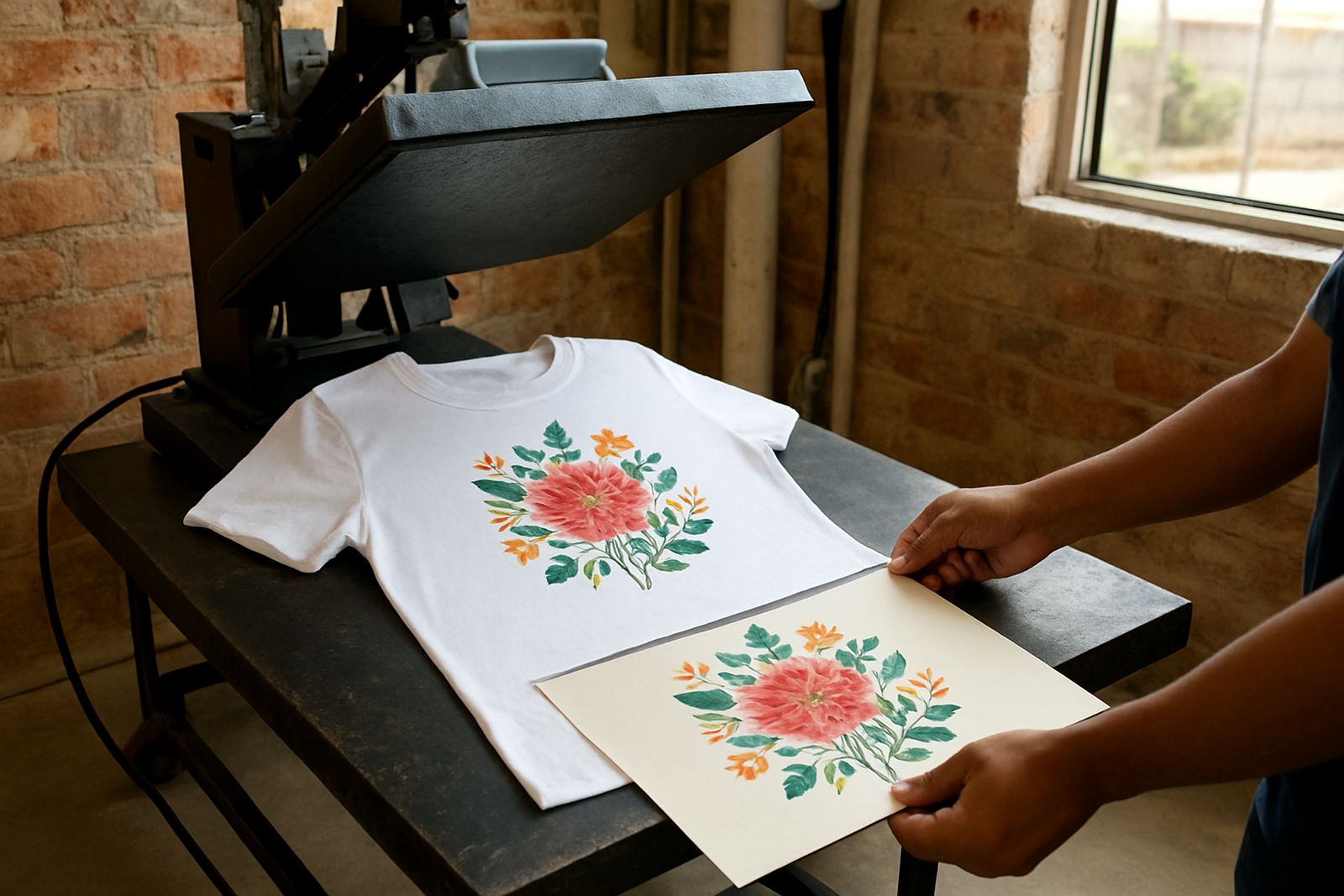
It also helps with consistency. When you use the same ink batch more steadily, your colour checks are easier to track and your troubleshooting becomes more straightforward. That matters in garment decoration and screen printing, where repeatability is part of the job. If a customer comes back with the same logo six weeks later, you want the result to match the earlier run as closely as possible.
- Less time spent on repeat ordering
- Fewer courier bookings and receiving checks
- Better control over colour consistency
- Less risk of running out during a rush
- More predictable stock planning for busy periods
A Kya Sand example: when the order book starts to move
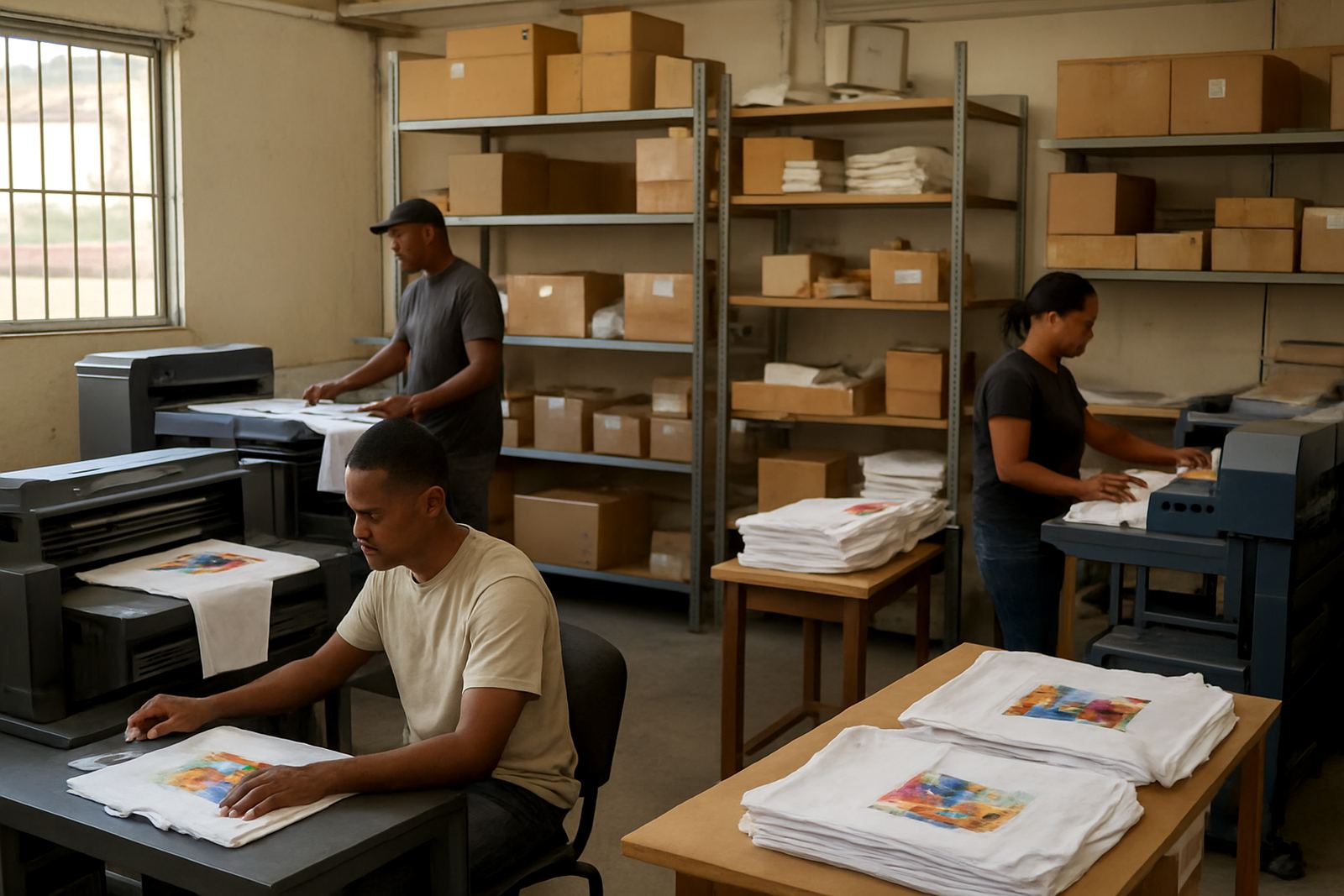
Take a print shop in Kya Sand that started with one desktop printer and a few local clothing orders. At first, smaller bottles made sense because the work was patchy. Then the business picked up, with repeat orders from schools, small corporates and sports clubs in Randburg, Sandton and Roodepoort. Suddenly the team was refilling more often, and every delay started to affect handover times.
At that stage, bulk became practical. The shop could keep more stock on hand, plan around courier collections, and avoid the midweek panic of being short on a key colour. It also made it easier to support last-minute work when a client changed numbers or wanted an extra run. That is the kind of shift where bulk stops being a nice-to-have and becomes part of normal operations.
Questions to ask before you place a bulk order
Before you move to bulk, check whether your current setup can use it properly. There is no point buying more ink if your printers are not matched correctly, your lines need cleaning, or your stock room cannot keep bottles in good condition. A bulk order should support the business, not create waste.
Use this quick check before ordering:
- How many jobs are using the same colour set each month?
- Are you refilling often enough to interrupt production?
- Do you have enough storage space for safe keeping?
- Are your printers compatible with the ink you use?
- Can your team track opening dates and stock movement?
- Will the order help you get through a busy period without stress?
If the answer is yes to most of these, bulk is probably the right move. If not, it may be better to stay with smaller packs until your turnover is more settled.
Buying for growth without tying up too much cash
Many South African businesses want better pricing but also need to protect cash flow. That is where bulk planning matters. Buying too little can cost more in delays and repeat courier charges, but buying too much can tie up money that should be used for stock, wages or repairs. The right order size sits between those two problems.
A good monthly view helps. Look at your average usage, your busiest weeks and the colours that move fastest. Then build your order around that pattern rather than guessing. If you are supporting trade customers, keep a little extra for the colours you use most often. That way you are not caught short when a large order lands unexpectedly. Bulk makes sense when it gives you control, not when it fills shelves for no reason.