Small test runs prevent costly full-batch mistakes
When a business changes ink, paper, heat settings or print volume, the first risk is not the purchase price, it is the cost of a bad run. A few sample prints show whether the colour holds, whether the transfer is clean and whether the final item suits the job before money is tied up in a larger order. For garment decorators and screen printers, that matters because one poor batch can mean wasted blanks, extra labour and unhappy clients.
In our Johannesburg base in Kya Sand we often speak to buyers who are scaling up from a few garments a week to larger production. A sample order gives them a proper comparison, not just a promise. It is easier to check density, drying time and heat press behaviour on a small run first, then decide if the ink is ready for fuller production. Sometimes the difference is a simple adjustment, other times the result tells you to hold back and avoid trouble.
Colour on screen is not colour on fabric
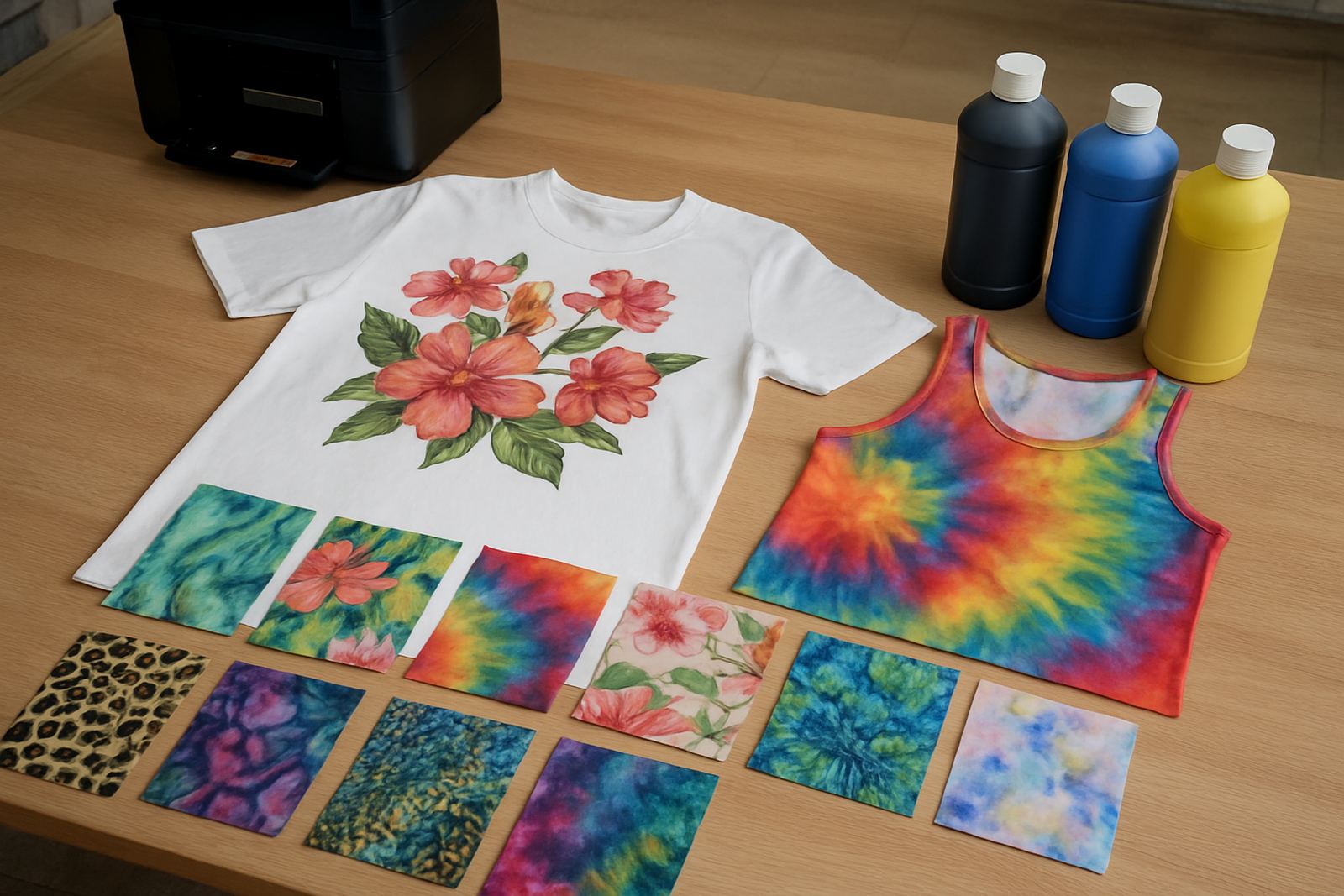
What looks bright on a monitor can shift once it goes through the printer, transfer paper and press. Samples help you see how the ink behaves on the actual fabric or substrate you use every day. That is especially useful when printing on polyesters, coated items, or blends where colour response can change from one surface to the next.
For South African businesses, this is practical, not theory. A shop in Sandton may need sharp corporate colours for promo wear, while a printer in Roodepoort might need stronger saturation for sports shirts. Samples let you compare those outputs side by side and spot a mismatch before a client does. If you rely on repeat orders, consistency is just as important as brightness.
- Check if the same colour repeats across two or three test prints
- Compare the print under natural light and indoor light
- Test the result after washing or handling where possible
- Keep a note of heat settings, press time and material type
Samples help you match ink to your equipment and workflow
Not every printer setup behaves the same way. A desktop machine used for short runs may need a different approach from a wide-format unit running longer jobs. Samples show whether the ink feeds properly, dries at the right pace and clears through the line without clogging or streaking. That matters when the workshop is already juggling delivery times, load-shedding schedules and tight turnaround dates.
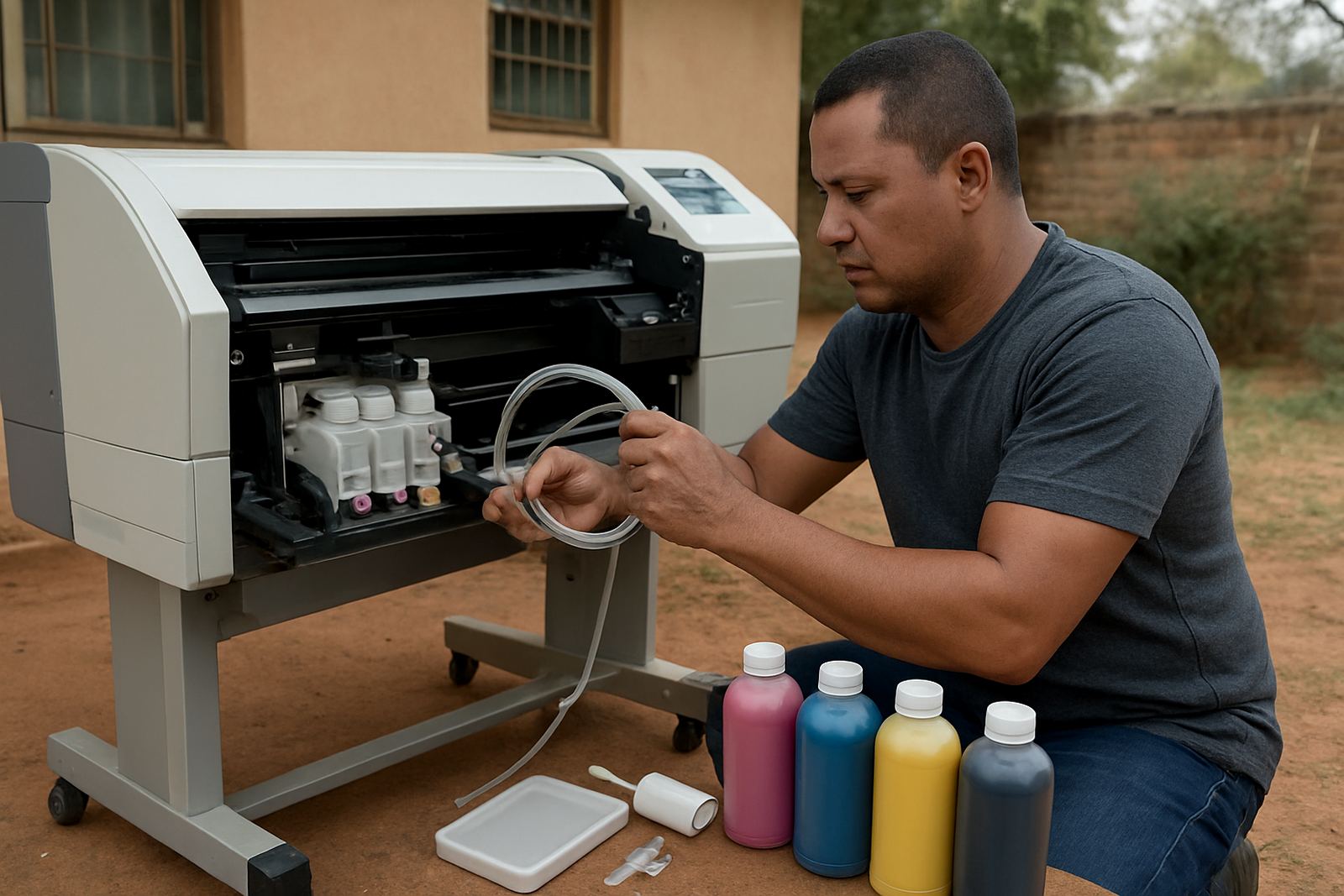
A proper test also helps with line cleaning and refill habits. If an ink is behaving well in a sample run, you can build confidence around your maintenance routine. If it shows weak flow or inconsistent coverage, you can catch that early and adjust before production starts. It is far cheaper to test than to stop mid-run and lose a day of work.
One local example: a Pretoria printer testing a new garment line
A print shop in Pretoria that does schoolwear and team clothing may want to add a new line of light polyester shirts for winter sport. Before placing a full order, the owner can test sample inks on a few shirts, then press them at the usual temperature and pressure. That shows whether the colour stays even, whether the design holds detail and whether the finish feels right to the customer.
If the result works, the owner can move ahead with better stock planning. If it does not, the issue is identified early and the team can look at settings, material or order size before the season starts. That kind of check is useful in winter when couriers are busier, production windows are tighter and there is less room for rework.
- Test one sample on the exact garment you plan to sell
- Use your normal press settings, not special settings
- Keep the sample with your job notes for future reference
- Review the finished item after a short wash cycle if relevant
Samples support better buying decisions for growing businesses
As orders grow, buying decisions become less forgiving. A business in Midrand or Randburg that used to buy ink month by month may now need bulk order support and steadier stock planning. Samples help you decide whether a product is worth scaling, and whether your current workflow can support the extra volume without problems.
They also help teams train properly. A new operator can compare a sample against a finished job and learn what good output looks like. That is useful for start-up print advice, colour troubleshooting and consistency advice. It is easier to teach with a real sample in hand than with vague instructions, and the lesson sticks when everyone can see the difference.
How we help businesses choose with confidence
Many buyers do not need more theory, they need clear guidance on the next step. That is where sample order assistance, compatibility checks and refill guidance come in. We help clients across Kya Sand, Sandton, Roodepoort, Midrand, Pretoria and the East Rand compare options before they commit, and our nationwide courier makes it easy to get inks out quickly after a decision is made.
In practice, that means checking the printer type, the planned application and the expected output before recommending a sample path. Some businesses only need a small test pack for a single job, while others need to assess colour over several runs. The point is to remove guesswork. A sample is not a delay, it is the safest way to move forward when quality and repeatability matter.